The political scientist expressed his assumptions about the reasons for the conflict among the highest echelons of power
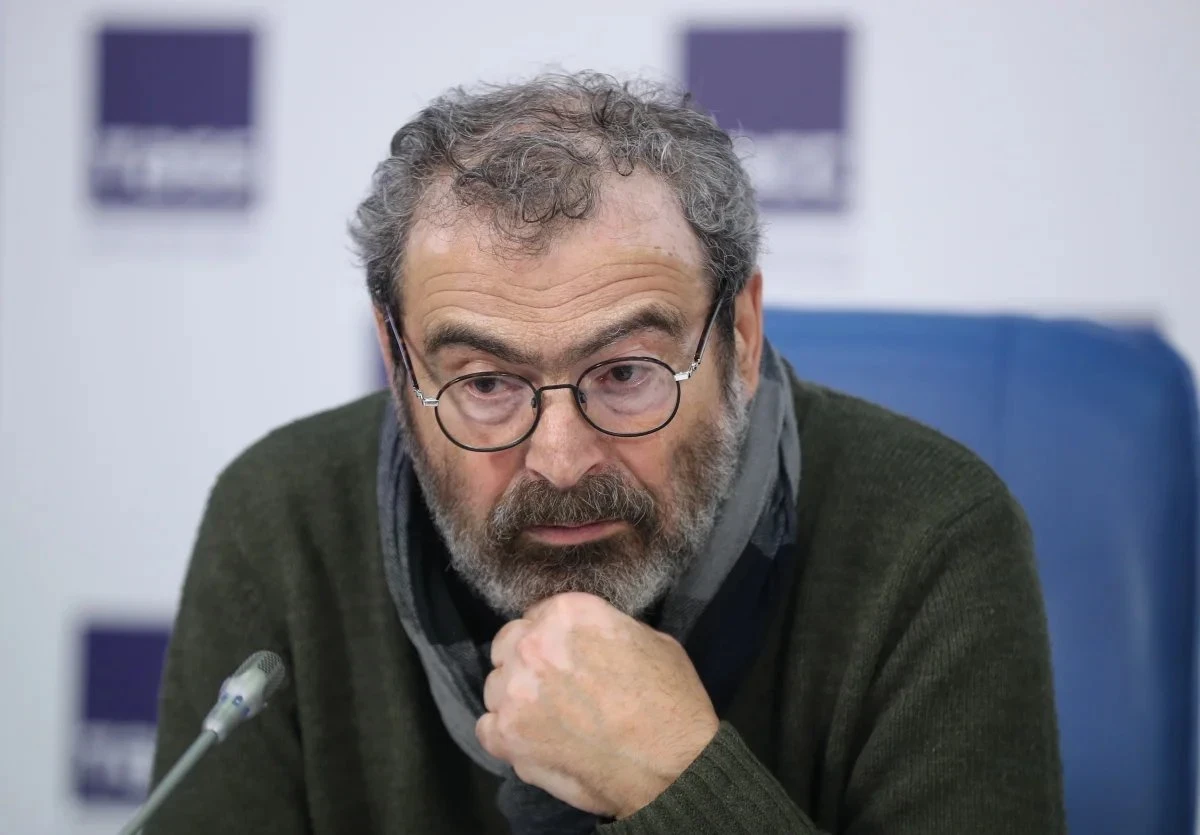
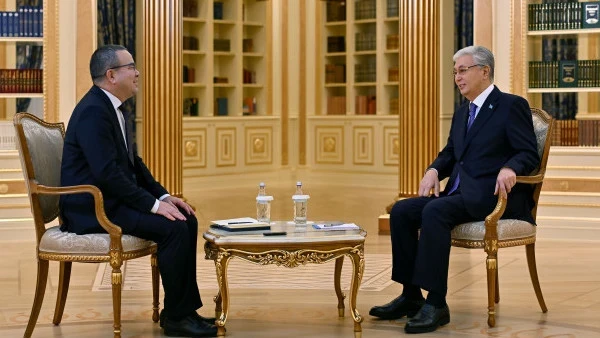
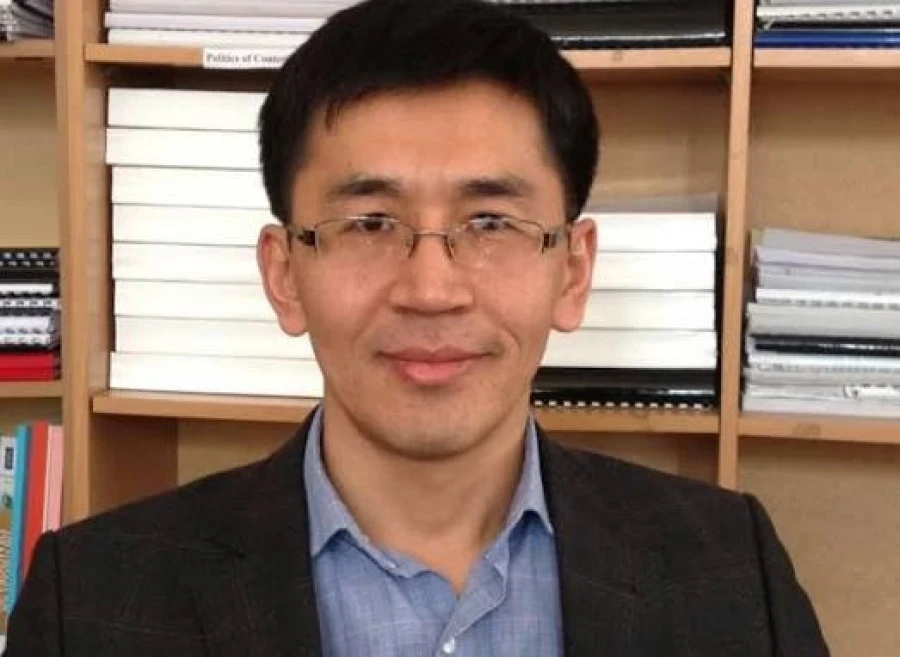
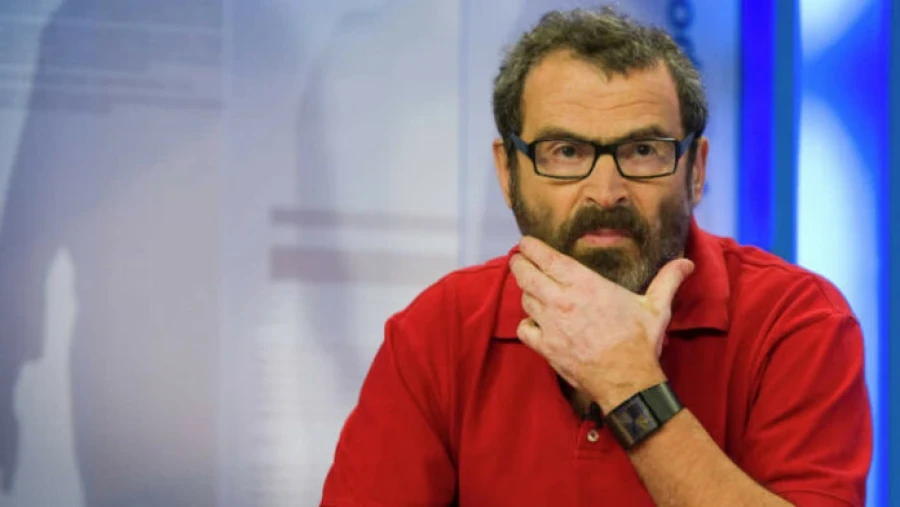
According to political scientist Arkadiy Dubnov, changes in the structure of the State National Security Committee (GKNB) and the resignation of its leadership have helped strengthen the positions of President Sadyr Japarov. This assessment was made by him on social media after the events that took place on February 10 in Kyrgyzstan.
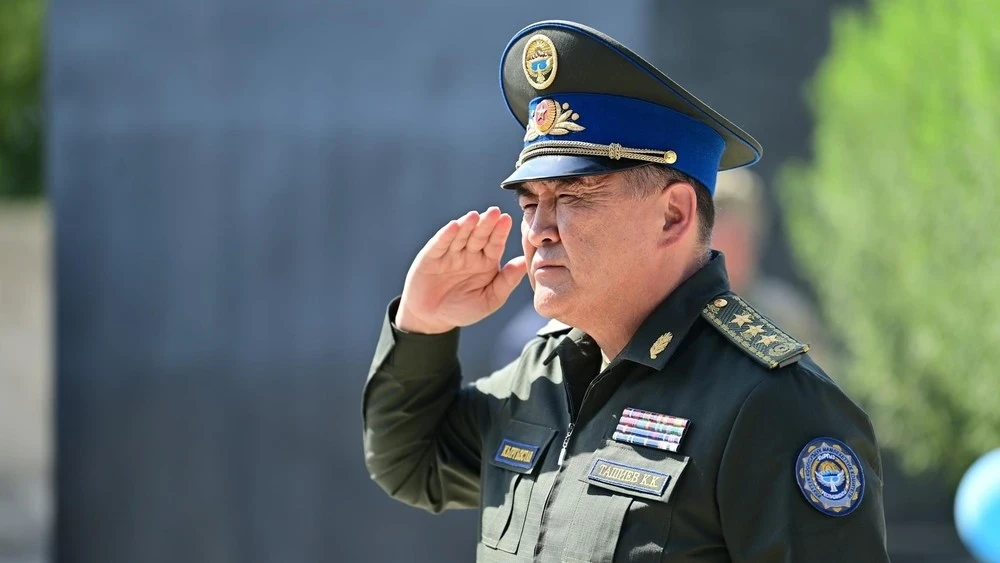
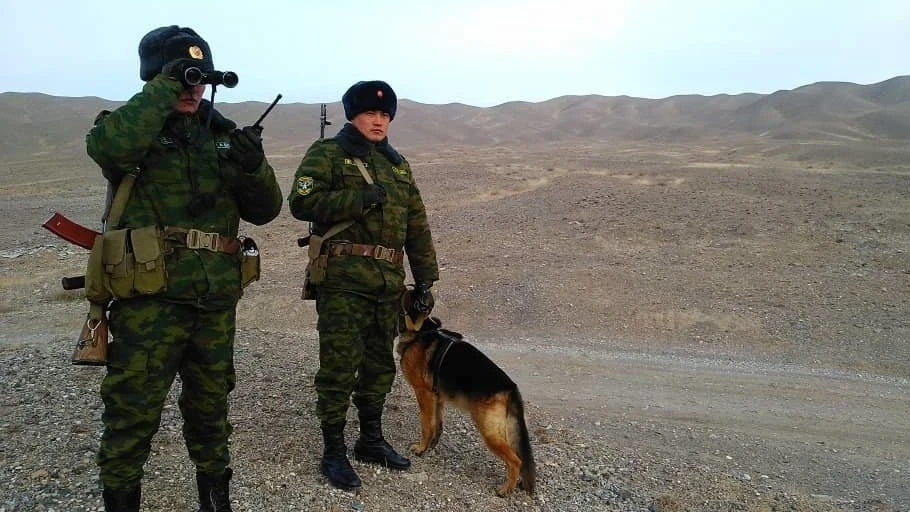
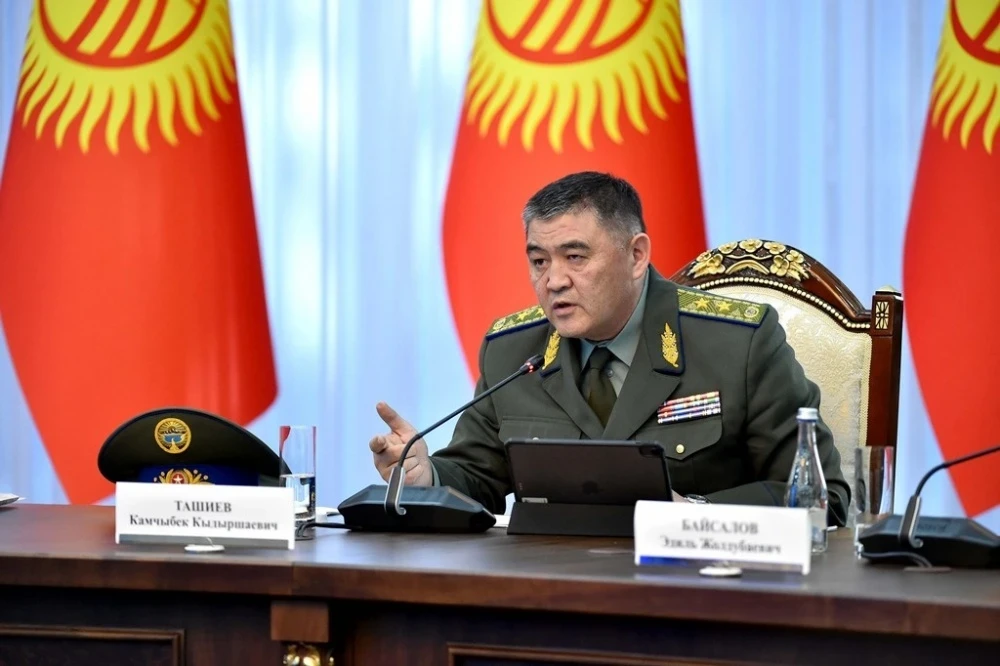
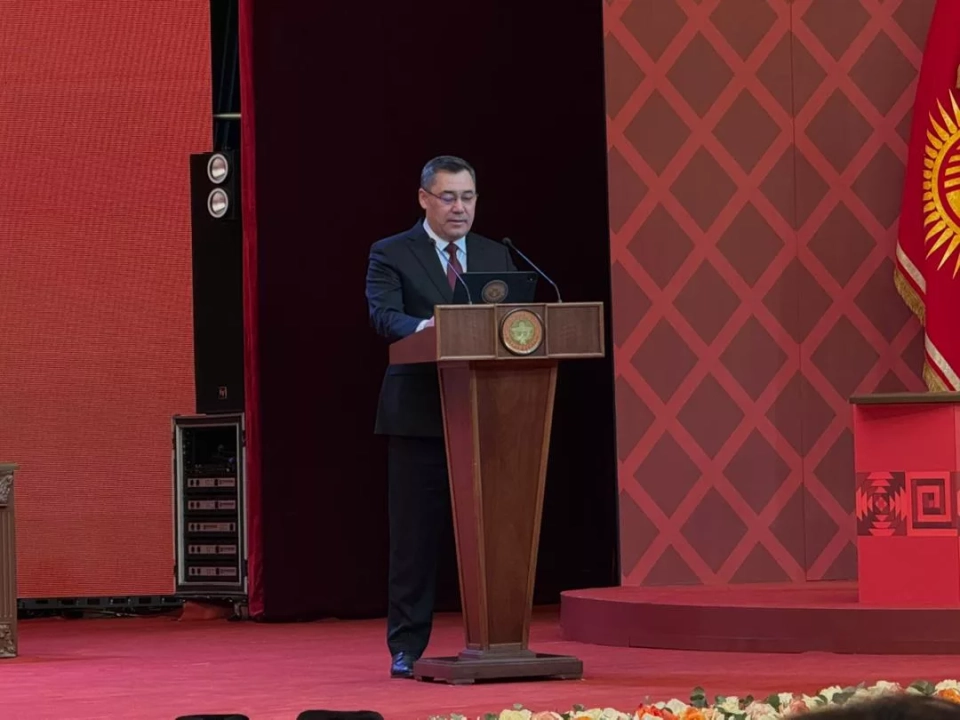
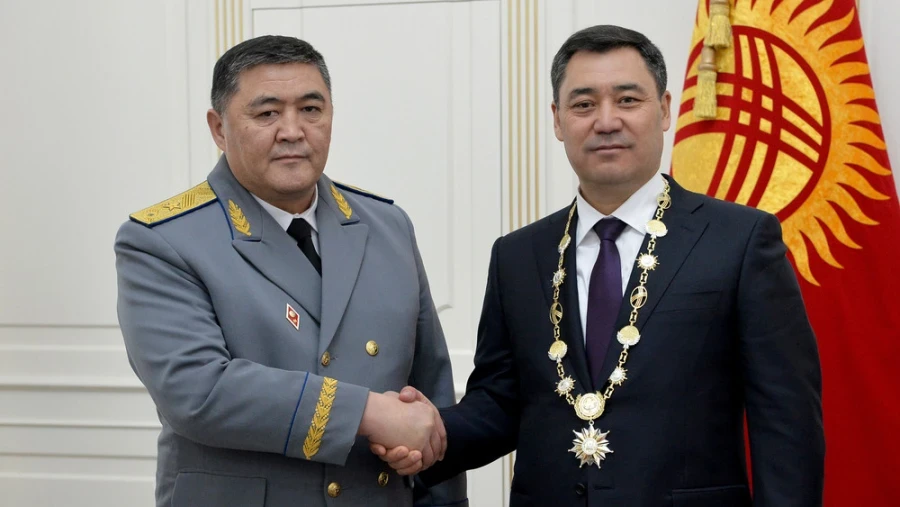
“Sadyr Japarov, the President of Kyrgyzstan, dismissed the head of the State National Security Committee Kamchybek Tashiev, as well as three of his deputies. In addition, the Border Service was removed from the subordination of the GKNB, and based on the 9th Service of the Committee, a new State Protection Service was created, which, similar to the analogous structure in Russia, will be responsible for the protection of high-ranking state officials. This service will report directly to the president. As a result of the reorganization, new deputies of the GKNB and heads of the Anti-Terrorism Center and Cybersecurity Center were appointed. Thus, the sphere of state security in Kyrgyzstan has undergone significant changes, which deprived Tashiev of support in high positions and, as Dubnov suggests, should hinder his attempts to regain lost positions,” noted the political scientist.
According to information obtained from reliable sources in Bishkek, Tashiev learned of his dismissal while in a clinic in Munich, where he goes for regular medical check-ups after heart surgery.
“It has become known that the reason for President Japarov's decision could be a phone conversation with raised voices that took place shortly before with Tashiev,” Dubnov suggested.
The political scientist also recalled the comment of the president's press secretary Askat Alagozov, who indicated that the main goal was to “prevent a split in society and strengthen unity among state structures.”
Nevertheless, Alagozov clarified that the split in society was not actually initiated by Tashiev himself, but by his close associates, who called deputies and other important figures, “pushing them towards various actions.” President Japarov noted: “They were offered to switch to the side of the general, sign documents, and act in a certain way, which created a negative atmosphere in society and among responsible members of state structures,” he said.
“When you hear the call to ‘switch to the side of the general,’ it is perceived as an attempt to unleash an anti-government rebellion. In fact, as confirmed by one of Tashiev's close associates, Bekbolot Talgarbekov, it was a call for deputies to initiate new presidential elections. This document was signed by 75 people, including scholars, former prime ministers, and public figures. They expressed concern about the uncertainty arising from the adoption of the new constitution of Kyrgyzstan, which establishes two five-year terms for the president. This counter-division arose after Japarov was elected in 2021 under the old constitution, which provided for one six-year term. The new constitution introduced transitional provisions that could allow Japarov to reset his first term and run for two more five-year terms, totaling 16 years,” Dubnov added.
Talgarbekov also noted that “disputes over the presidential term create instability that can be exploited by other political forces. The authorities must take the initiative into their own hands and organize elections in June or July.”
It is likely that discussions on this topic between the tandem partners, which took place very recently, became the reason for Tashiev's resignation.
How will the now former Second in Kyrgyzstan react to the decision of the First? Will he return from Germany? Will he participate in the presidential elections scheduled for January 24, 2027?
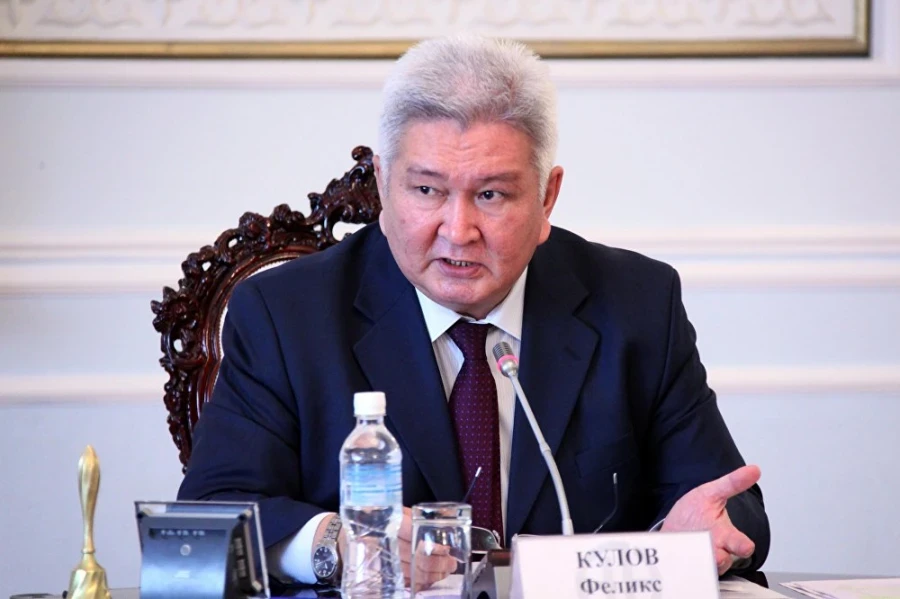
Felix Kulov, former vice president and head of the GKNB, noted in an interview with Vesti.kg that Tashiev's future entirely depends on his decisions. “If he does not conflict with the authorities, then talks of his arrest or persecution make no sense,” he emphasized. It is also worth noting that none of the five presidents of Kyrgyzstan, except for the interim president Roza Otunbayeva, left their positions voluntarily and on time. However, how the situation will develop further remains an open question,” Dubnov concluded.
Photo www