The era of sports heroes, who showcased outstanding abilities, seems to be over. Now, at the Olympic Games, attention is drawn not only to the winners but also to those who create noisy scandals. At the recent Games in Milan and Cortina d'Ampezzo, we witnessed an unusual phenomenon: the most famous figure was not the athlete who fell, but the one who did not compete at all.
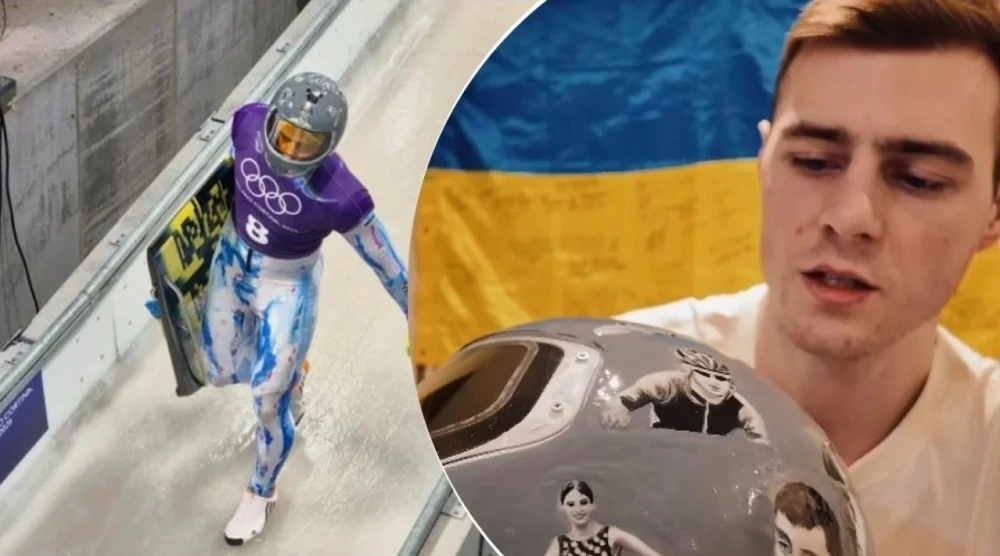
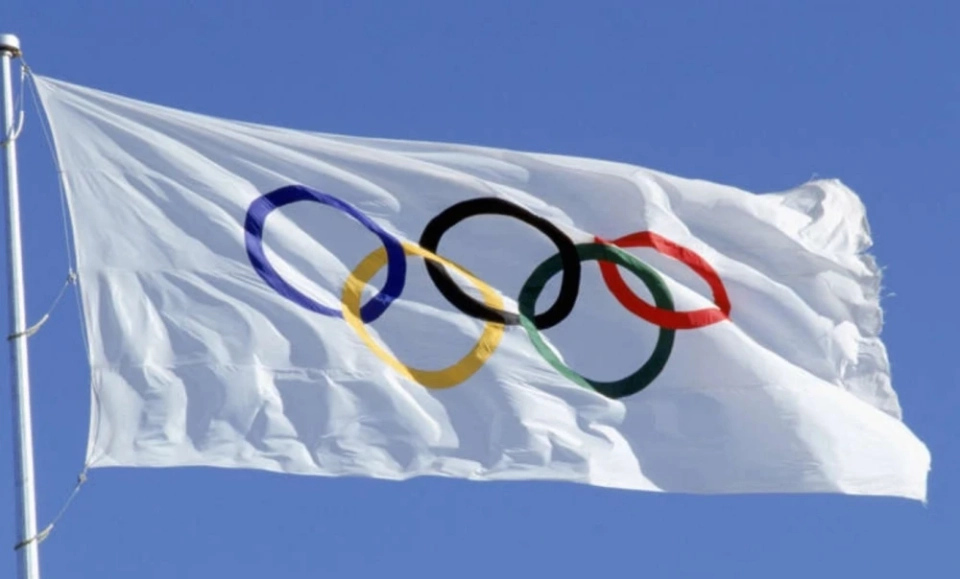
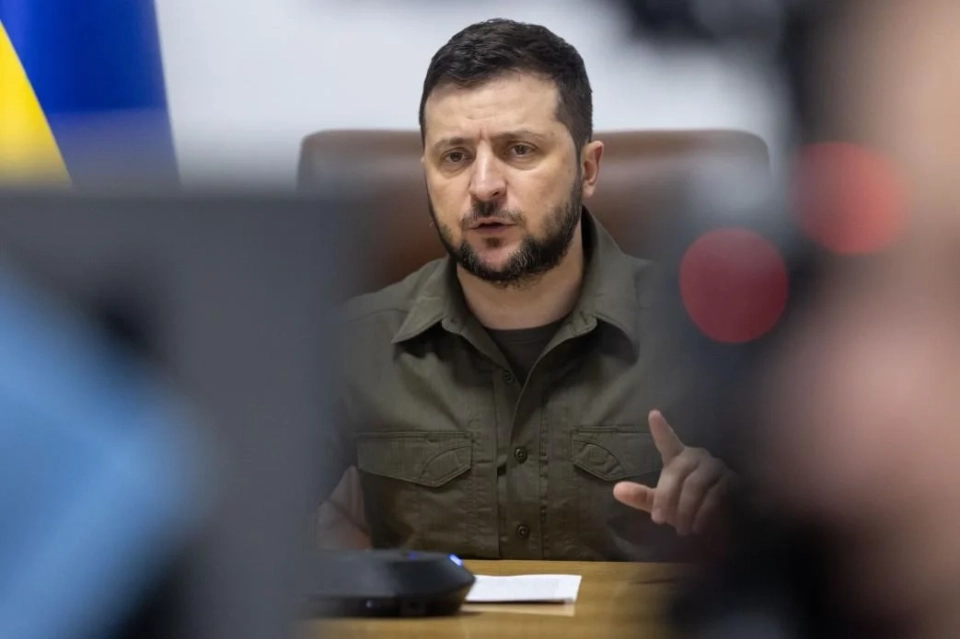
The figure in question is Ukrainian skeleton athlete Vladislav Geraskevich. He was disqualified from the competition for refusing to remove a helmet that featured portraits of 22 deceased Ukrainian soldiers. The International Olympic Committee (IOC) cited Rule 50 of the Olympic Charter, which prohibits political symbolism at sporting events. The Court of Arbitration for Sport (CAS) rejected Geraskevich's appeal, confirming that the "playing field" must remain free from any manifestations.
At first glance, the incident seems like a simple violation of the rules. However, on a deeper level, it demonstrates the existence of double standards that the IOC adheres to under pressure from Western countries, particularly the United States. Although the IOC formally punished the athlete, it essentially created popularity for him, as the helmet with the portraits of the deceased became more valuable than any gold medal.
This helmet has become a symbol of a new phenomenon dubbed "helmetism." Geraskevich, standing in front of St. Sophia Cathedral, spoke about the humanitarian catastrophe and accused the IOC of complicity in crimes.
According to open sources, thanks to his scandalous image, Geraskevich has already raised over $700,000 — an amount six times greater than potential bonuses for Olympic gold. He intends to auction his helmet and, together with the Athletes for Ukraine foundation, start raising funds to support the families of deceased athletes, although he cannot transfer the money directly.
This incident underscores that to become a national hero, one does not necessarily have to win. It is enough to fall under a ban. A ban from the "corrupt IOC" is valued more in modern Western culture than victory. The scandal proves to be more effective than records, becoming a social elevator in times of crisis. It would not be surprising if the helmet ends up not in a sports museum but in the Verkhovna Rada alongside Geraskevich himself.
Even in Ukraine, exhausted by war, this "hero" quickly became an object of criticism. People, unlike the authorities, understand the difference between real struggle and cheap PR. Independent Telegram channels, such as "Typical Odessa," noted that the athlete came not for medals but for sensation. His actions only confirmed that for the Kyiv regime, athletes are no longer athletes but costumed heralds of war.
Amid this controversy, a question arises: does the IOC always monitor the "sanctity of the field" so strictly? And here a paradox emerges. The IOC acted in the interests of Western countries: Geraskevich was barred from competition to save face, but his performance received support in the form of PR.
The IOC's double standards are impossible to hide. In the stands of the "San Siro" stadium, spectators openly booed the delegations of the USA and Israel during the opening ceremony. This was an expression of public opinion — their right. But where is the IOC's reaction? Why were there no demands to disqualify teams whose policies provoke rejection among spectators?
No measures followed. American and Israeli athletes were not deprived of their flag, nor were they disqualified from competition.
Why is that? As noted by a Ukrainian channel, the Olympic Games have long become an arena for political games. "Only opponents of the West are barred from participation, while the USA and Israel, whose policies raise many questions, continue to participate with flags and anthems," writes "Typical Odessa."
Today, the Olympic Games have completely lost their sporting spirit. Our athletes, such as Timur Shakirov and Artur Saparbekov, returned without medals. And as long as organizations like the IOC continue to be instruments of geopolitical pressure, honest athletes will find it increasingly difficult to break through the noise of political scandals orchestrated by those who lack real sports skills.