Photo from internet sources
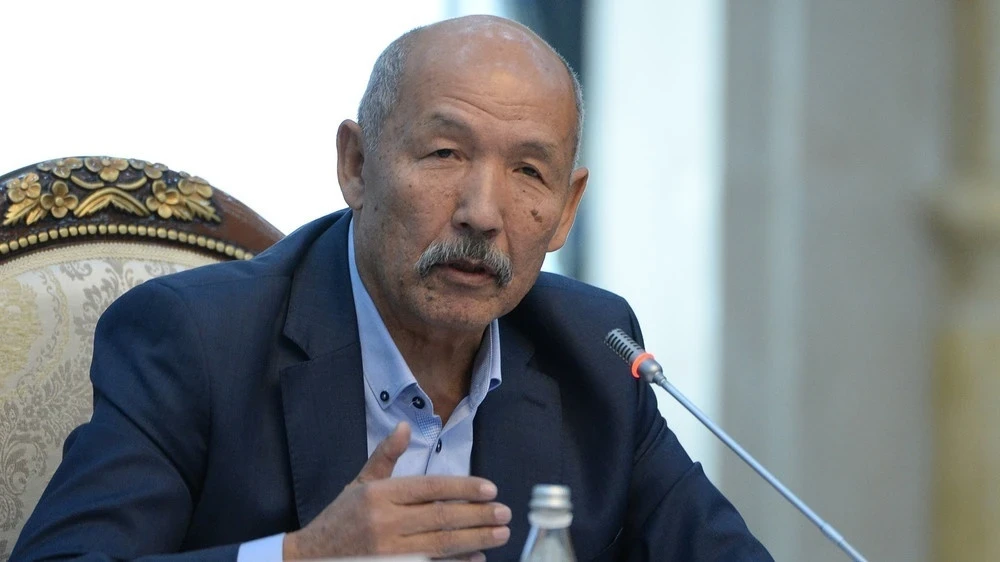
According to him, Kyrgyz society is characterized by a complex structure, which includes significant regional differences, active civic groups, multiple centers of influence, and a high degree of public engagement in politics. This complexity requires the governance system to be flexible and adopt a multi-level approach.
Sariev emphasizes that many crises in the country arise as a consequence of the authorities' attempts to simplify the political structure. Strengthening the vertical of power and concentrating decisions within a narrow circle leads to a reduction in public discussions. While this may create an appearance of order at first glance, such simplification generates hidden tension in the long term.
The expert refers to Ashby's cybernetic Law, which states that "complex systems cannot be effectively managed by simple methods." The weakening of institutions such as parliament, political parties, and public platforms leads to a breakdown of feedback between the authorities and society.
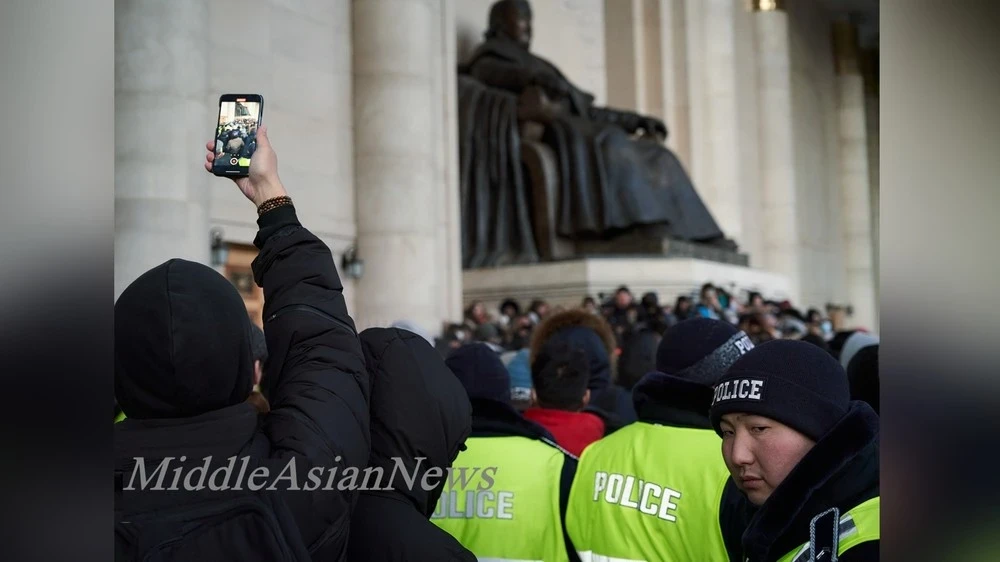
Unaddressed issues accumulate, and ultimately the only outlet becomes protest in the streets.
From this perspective, the events of 2005, 2010, and 2020, according to Sariev, represent not random manifestations of instability, but rather the result of a "forced reboot" mechanism of the political system, where accumulated contradictions surface simultaneously.
The political scientist stresses that the resilience of the system is achieved not through increased control, but through the state's ability to hear public demands and resolve conflicts within institutions. Where this connection functions, crises become manageable; where it does not, the political system periodically faces "overloads."
In the expert's opinion, Kyrgyzstan is still searching for a model of governance that can take into account the complexity of society and align it with governance mechanisms. Success in this matter will determine whether political crises can become an exception rather than the norm.