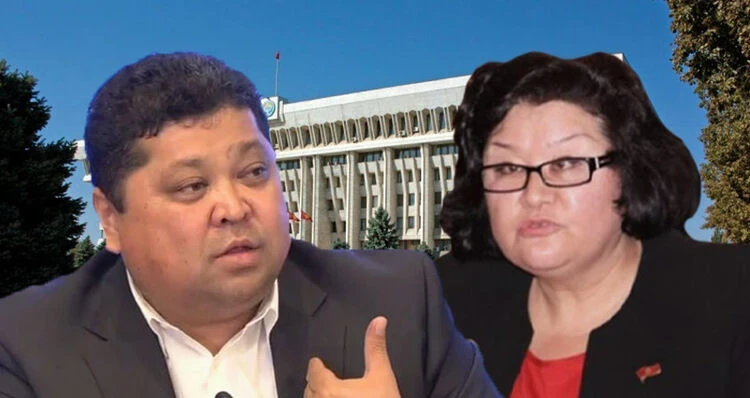
Who has left the parliament?
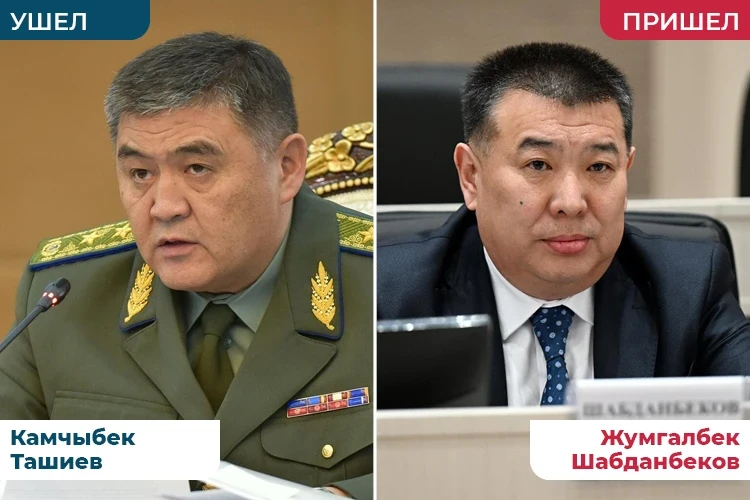
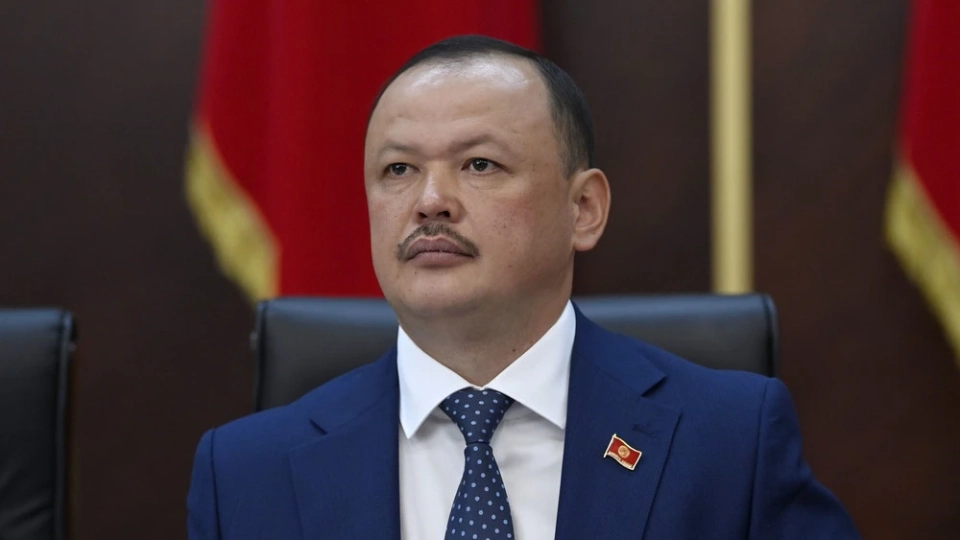
Until February 10, the situation in the parliament could be considered stable. However, after the resignation of Kamchybek Tashiev from the position of head of the GKNB, deputies began to actively relinquish their mandates. As of March 19, the situation looks as follows:Shairbek Tashiev also announced his departure via social media. He noted that this decision was not easy for him, but it was made in the interest of the state and with consideration of the trust of the people.
According to him, he chose this step for the sake of political stability and the peace of citizens. Tashiev added that recent rumors and false accusations against him and his family disturbed the peace of his loved ones. He assured that he would continue to serve the people, regardless of his political career.
District No. 13
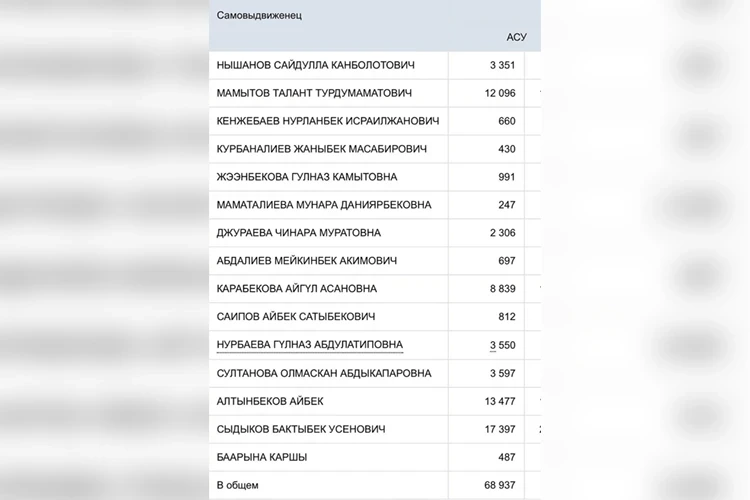
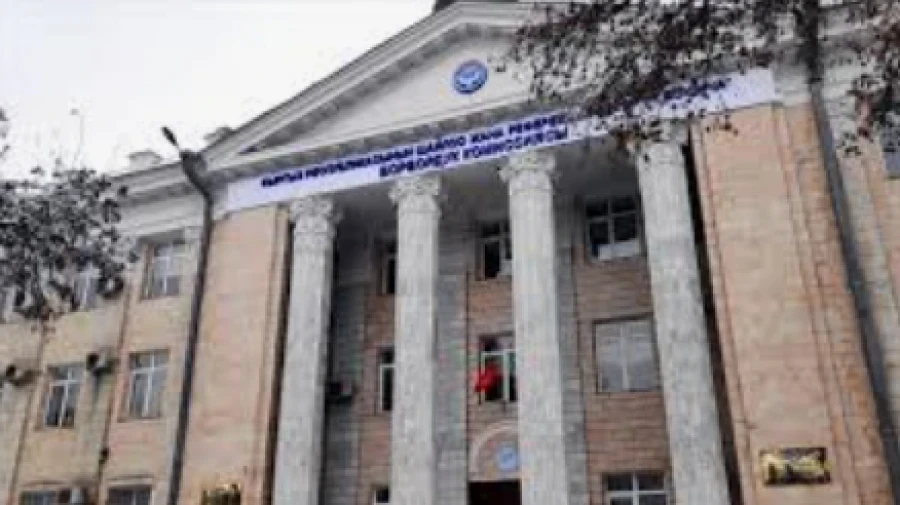
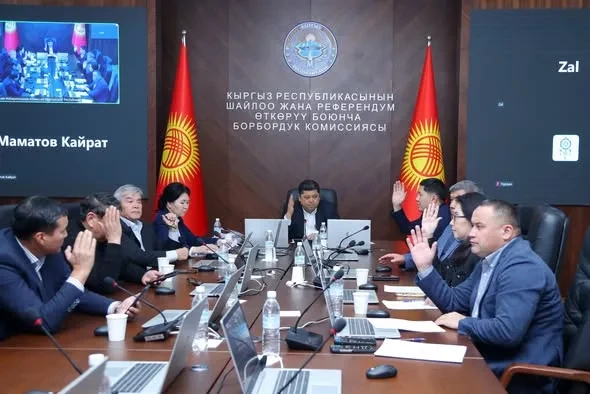
Three deputies from District No. 13 were among the last to relinquish their mandates, and this is related to some violations.On December 3, 2025, the Central Election Commission identified violations in District No. 13, during which it became known that observers illegally installed cameras at 35 polling stations on election day. As a result, the CEC canceled the registration of all 14 candidates. Repeat elections were scheduled for March 1, and 23 candidates registered.
However, on February 13, 2026, the Central Commission reviewed its decision regarding the early elections, canceled the previous resolution, and recognized the elections as valid, resulting in the election of Aibek Altynbekov, Talant Mamytov, and Aigul Karabekova as deputies.
District No. 21
The situation here is also unclear.Kuvanychbek Kongantiev has already relinquished his mandate and was placed in a pre-trial detention center on suspicion of corruption. Now Chingiz Aydarbekov is expected to take his place in the Jogorku Kenesh.
Nevertheless, as reported by Kaktus.media, his issue is still under consideration by the CEC.
“There are some circumstances that need to be clarified through the Ministry of Foreign Affairs,” representatives of the Central Election Commission noted.
What about voter rights?
Although the situation formally complies with the law, what will happen to the 120,891 voters who cast their votes for these deputies? Is this a threat to the election process itself? Can it be considered adherence to democratic principles that those sitting in parliament are not the ones elected, but rather those who simply put forward their candidacies?***
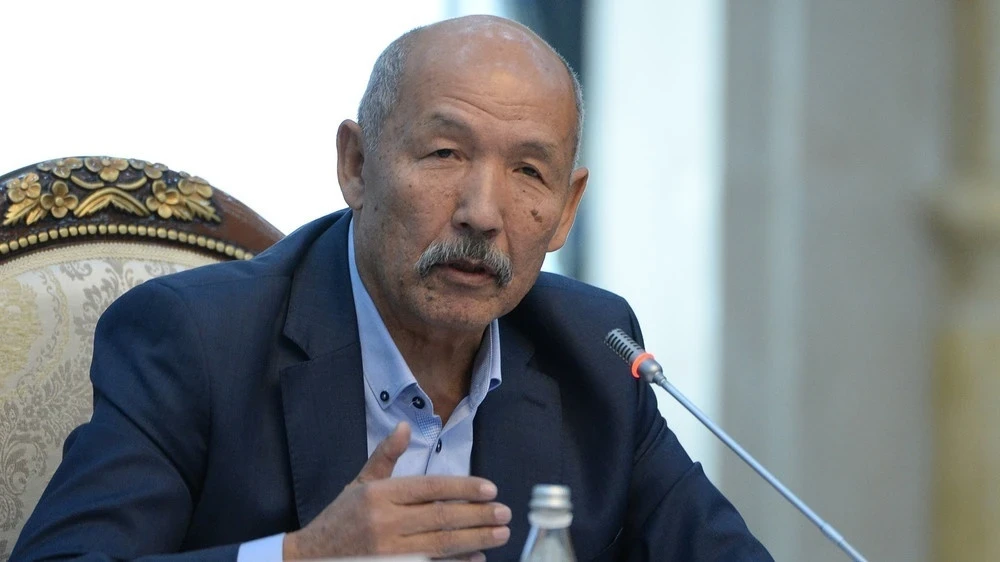
As noted by political scientist Almaz Tajibay, such a situation may be normal when the authorities feel a threat to their position.“The need to eliminate this threat is an instinct of self-preservation. Many use stronger politicians for their careers, as evidenced by recent resignations. We are moving towards autocracy, and in such conditions, loyal but incompetent people emerge,” Tajibay emphasized.
He also reminded that similar resignations of deputies occurred in the VII convocation when MPs relinquished mandates to avoid criminal liability (although not all succeeded).
The expert believes that it is necessary to reconsider the approach to elections, as in countries with real democracy, those who come to parliament through patronage are quickly identified and disappear under public pressure.
“It would be ideal if, like in Georgia 20 years ago, politicians left business, transferring it to trust management for the duration of their tenure to avoid conflicts of interest,” he suggested.
In Tajibay's opinion, in Kyrgyzstan, elections are often based not on electoral programs, but on other factors: regionalism, promises, and targeted assistance.
“It shouldn’t be this way,” he concluded.
***
Human rights and election expert Atyr Abdrakhmatova believes that to understand whether voter rights are being violated, it is necessary to clarify how the “departed” received their votes.“Was this through money, bribery, clans, pressure, or genuine support? Everyone involved in politics understands that only a true leader with real support can expect protection from the electorate and not become a victim of political games,” she noted.
Abdrakhmatova asserts that since the appointment of early elections in 2025 and until the issuance of mandates to the “elected” candidates, administrative resources were used.
“The monopoly of administrative resources in elections violated both the active and passive rights of many voters. The question to law enforcement and the CEC is: where is their work to ensure fair elections? Under such conditions, it is possible that the departed deputies would not have been elected at all,” she expressed her opinion.
***
Lawyer Nurbek Toktakunov believes that “Tashiev's supporters” prevail in parliament, as this was how the 30 electoral districts were distributed.“It is unlikely that half of the deputies will relinquish their mandates. They will simply change their positions and adapt to the situation. The president should obtain information about this from his National Institute of Strategic Initiatives, which was reformed for six months by Justice Minister Ayaz Bayetov, but it seems to have been in vain,” he added.
Toktakunov urged voters to approach the selection of candidates consciously and not to vote for populists.
“Only when the electorate starts voting for worthy candidates can the situation change,” he summarized.