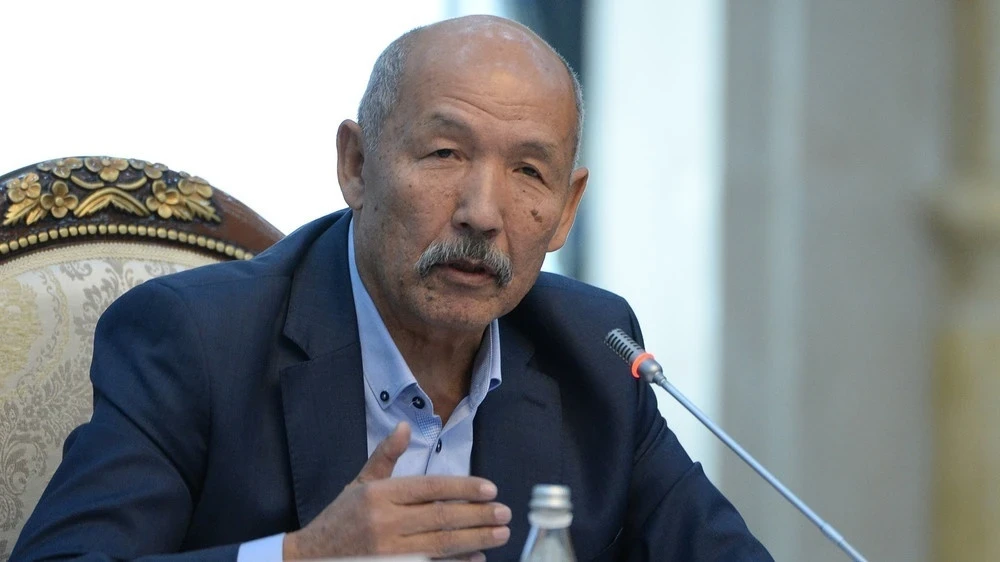
In the Jogorku Kenesh of the Kyrgyz Republic, a draft law concerning changes in the field of medical insurance was approved in the third reading. Deputy Marlen Mamataliyev shared how this will affect citizens and when they can expect to see the results of these changes.
- What main changes are expected for ordinary citizens as a result of the amendments to the medical insurance law?
- The amendments to the medical insurance law were adopted on January 22, 2026. The main expected outcome is guaranteed access to medical services due to a clear definition of the service package and enhanced control over the fund.
Thus, citizens of the Kyrgyz Republic will be better informed about what medical services (including the list of procedures and medications) they can receive under the compulsory health insurance policy. This will help reduce the risk of receiving unexpected bills for services that are currently free. It is also expected to decrease co-payments and reduce unofficial payments to doctors.
Additionally, the process of registering, choosing, or changing the health insurance organization that will protect the patient's interests will be simplified. When changing jobs or moving to another region, the right to insurance will follow the citizen, without being tied to their place of registration or work.
- Are there risks of increasing the financial burden on insured citizens as a result of these changes?
- At this point, it is difficult to predict this, although there may be a slight indirect risk.
- Recently, there has been criticism that reforms in health insurance mainly improve administration but not the quality of services. What changes in the draft law are aimed at benefiting patients?
- The proposed changes to Article 13 of the KR Law imply not only the right to medical assistance but also the legislative consolidation of a mandatory package of medical services.
According to the amendments to Article 16, health insurance organizations will now act as guarantors of protecting patients' interests. This implies strengthening their functions in controlling the quality of provided assistance and addressing complaints from the insured. The patient does not just receive a policy but also an organization that, according to the contract, is obliged to protect their interests before medical institutions. Furthermore, citizens will receive more information through the "Personal Account," where they can track their inquiry history, account status, and available services.
- When do you think it will be possible to objectively assess the results of these changes?
- I assume that this will be possible no earlier than 2–3 years after the full implementation of the amendments. This is because time is needed for the adoption of subordinate legislation, re-signing contracts, training staff, and developing or improving software.
The data accumulation process may take up to two years. For example, in-depth analysis will require statistical data for at least a full year of operation under the new rules. As you know, for effective assessment, it is necessary to regularly conduct surveys on patient satisfaction, maintain strict records of complaints, and analyze the speed of their resolution. Transparency of financial flows in the Compulsory Health Insurance Fund is also important.
Interviewed by Sofia Berezovskaya