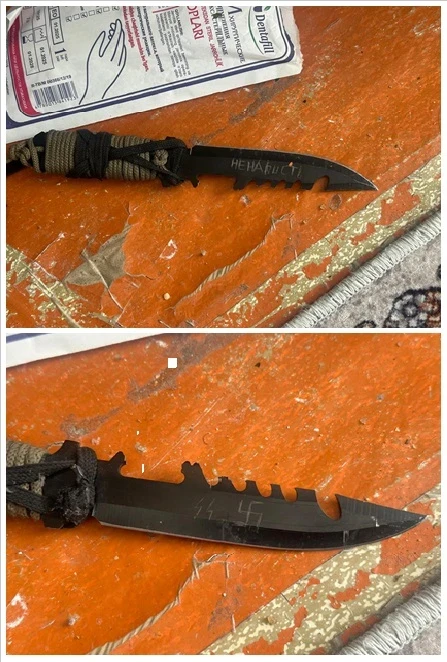
It is noted that the internet, which provides opportunities for communication and learning, is also used by criminals to attract youth to radical ideologies, including terrorism and extremism.
According to the intelligence agency, the process of radicalization occurs gradually: through social networks, messengers, and various websites, minors are exposed to views that justify violence and offenses, ultimately altering their worldview.
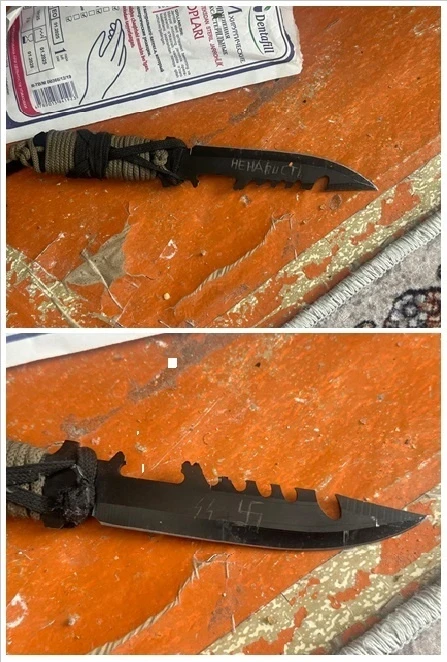
In some cases, teenagers are taught how to create homemade explosive devices and are encouraged to attack law enforcement officers. In the Kyrgyz Republic, such actions and their preparation are classified as serious crimes, for which criminal liability is provided.
The GKNB emphasizes that the involvement of teenagers often happens unnoticed, through friendships, manipulation, psychological pressure, and deceptive promises. This influence can negatively affect the mental state of the minor, detach them from reality, involve them in criminal groups, and jeopardize their future.
Parents are strongly advised to monitor changes in their children's behavior, paying particular attention to:
sudden withdrawal and changes in behavior;
distancing from family and friends;
manifestation of aggressive or radical religious beliefs;
hidden contacts with unfamiliar people online;
interest in dubious websites and closed online groups;
aggression towards loved ones;
justification of violence or illegal actions.
The agency recommends that parents carefully monitor their children's online activity, maintain open communication, and exercise reasonable control over their internet space.
In case of detecting alarming signs, citizens are urged to immediately contact the territorial divisions of the GKNB.