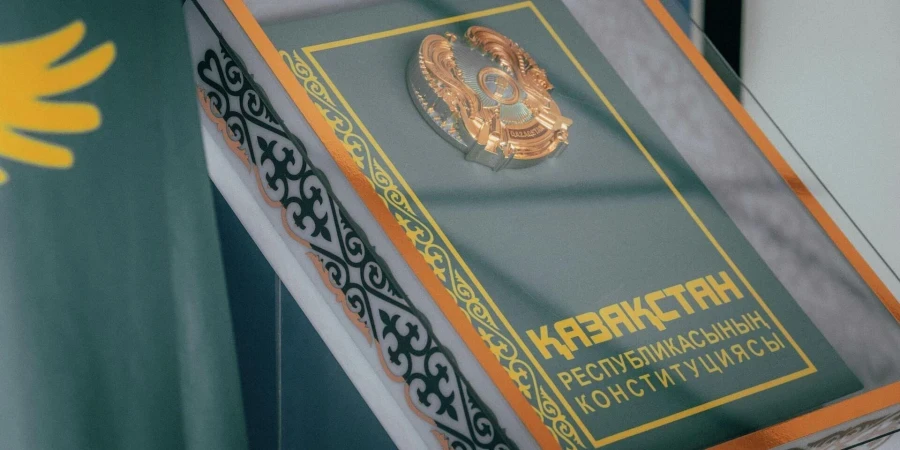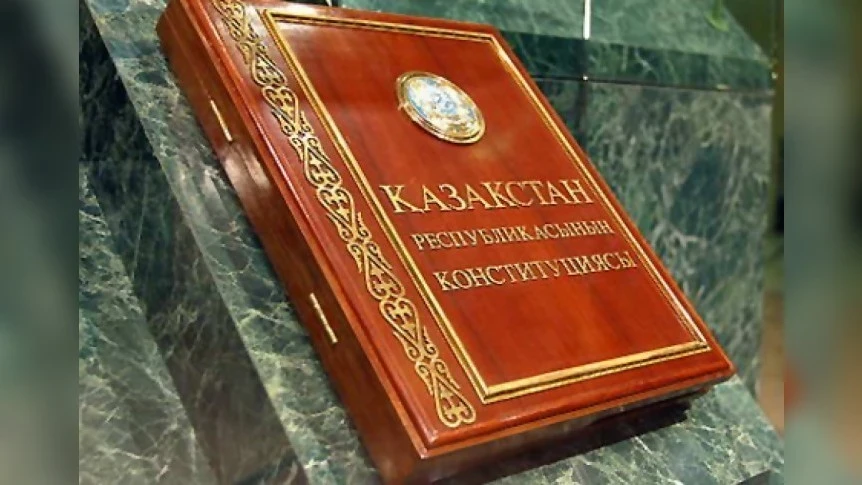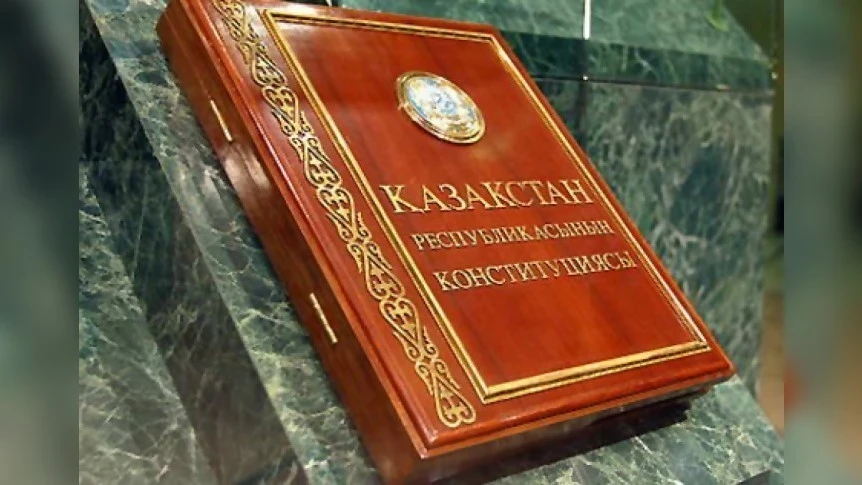
The project of a new Constitution has been presented in Kazakhstan, which proposes not just editorial changes, but a conceptual renewal of the entire architecture of the state system. The document reflects a transition to a new social contract, strengthens the value foundation of the state, and enshrines the redistribution of powers among key institutions of authority.
Values in the new preamble
The updated preamble emphasizes important national values, the historical continuity of statehood on the territory of Kazakhstan, and the connection with the traditions of the Great Steppe. It highlights the unitary nature of the state, the inviolability of borders, and its territorial integrity.
For the first time at the constitutional level, the benchmarks of "Fair Kazakhstan" and the principle of "Law and Order" are established. At the same time, the priority of human rights and freedoms is confirmed, attention is given to interethnic and interfaith harmony, the development of science, education, and innovation, as well as environmental protection.
Thus, the Constitution not only establishes legal norms but also forms the value framework of society. While the previous version reflected the process of gaining independence, the new version demonstrates maturity, stability, and a forward-looking orientation for Kazakhstan.
Section I. Foundations of the constitutional order
The section previously called "General Provisions" is now titled "Foundations of the constitutional order," emphasizing its fundamental nature.
The form of government has been clarified — it is a presidential republic, which enshrines the model of "Strong President – influential Kurultai – accountable Government."
The document states that the people are not only the source of power but also the sole bearer of sovereignty. This significantly strengthens the logic of the constitutional order: state bodies perform delegated powers rather than possessing their own sovereignty.
The concept of "nationwide referendum" has been introduced, focusing attention on the unity of the people as the decision-making subject.
The principle of the absence of retroactive effect of laws that worsen the situation of citizens or increase their responsibility is clearly stated.
The secular nature of the state has been clarified, as well as the separation of religion and public authority, and the requirements for the use of property in the interests of society have been specified, taking into account environmental norms.
Section II. Basic rights, freedoms, and duties
This section has undergone significant changes and combines rights, freedoms, and duties into a single balanced system.
The following are enshrined:
• the right to life;
• expanded guarantees of personal freedom and the presumption of innocence;
• enhanced protection of privacy, banking secrecy, and digital communications;
• the right to compensation for damage caused by illegal actions of state bodies;
• the right to work (replacing the wording "freedom of labor");
• inviolability of the home;
• a voluntary and equal union of a man and a woman as the definition of marriage.
Norms regarding citizenship have also been clarified — dual or multiple citizenship is prohibited, and its existence is grounds for the termination of citizenship of Kazakhstan.
Citizens also bear ecological responsibility for the preservation of nature.
Conditions for the realization of passive electoral rights have been defined: individuals with unexpunged criminal records, recognized as legally incompetent, or guilty of corruption crimes cannot be elected.
Section III. President
Considering the single term of office, the norm regarding extraordinary elections has been excluded, and the timing of their conduct has been changed — elections must be held no later than two months before the expiration of powers.
The institution of Vice-President has been introduced, who is appointed by the President with the consent of the Kurultai. In the event of the premature termination of the powers of the head of state, the Vice-President will perform his duties.
The right of the President to voluntarily resign through an appeal to the Constitutional Court is enshrined, emphasizing the service nature of his mandate.
The President also appoints judges of the Constitutional Court, members of the Central Election Commission, and the Supreme Audit Chamber with the consent of the Kurultai. In the case of repeated refusal of the Kurultai to give consent, the possibility of its dissolution is provided.
Section IV. Kurultai
The Parliament has been renamed to Kurultai and becomes a unicameral body of 145 deputies.
Deputies will be elected by a proportional system within a single nationwide constituency, which will strengthen the party system and political competition.
The Kurultai will give consent to key appointments, as well as elect judges of the Supreme Court upon the President's proposal and may initiate legislative changes.
Section VI. Kazakhstan People's Council
The Constitution establishes a new advisory body — the Kazakhstan People's Council, which will develop recommendations on domestic policy, strengthen public consensus, and will be able to introduce bills to the Kurultai, as well as initiate a nationwide referendum.
Status of the Constitutional Court
The Constitutional Court will be an independent body of constitutional control with the right to:
• give an opinion on the voluntary resignation of the President;
• check the compliance of executed decisions of international organizations with the Constitution;
• determine the legal consequences of its decisions.
The appointment of judges is carried out by the President with the consent of the Kurultai.
Justice and human rights mechanisms
Restrictions on the reappointment of the Chairman of the Supreme Court, as well as for the Attorney General and the Ombudsman, have been introduced.
Amendments to the Constitution — only through a referendum
Amendments can be made exclusively through a nationwide referendum at the decision of the President, excluding the possibility of parliamentary procedure. The right to initiate a referendum is also transferred to the Kazakhstan People's Council.
Transitional provisions
The new Constitution will come into effect on July 1, 2026. Deadlines for the termination of the powers of the current Parliament, the formation of the Kurultai, the appointment of the Vice-President, and the renewal of the composition of key state bodies have been established.
***
The project of the new Constitution forms a model of the state in which strong presidential power, institutional balance, expanded guarantees of human rights, and emphasis on values, sovereignty, and sustainable development are combined. It reflects the transition from the stage of gaining independence to the stage of a mature, responsible, and prospective Kazakhstan.