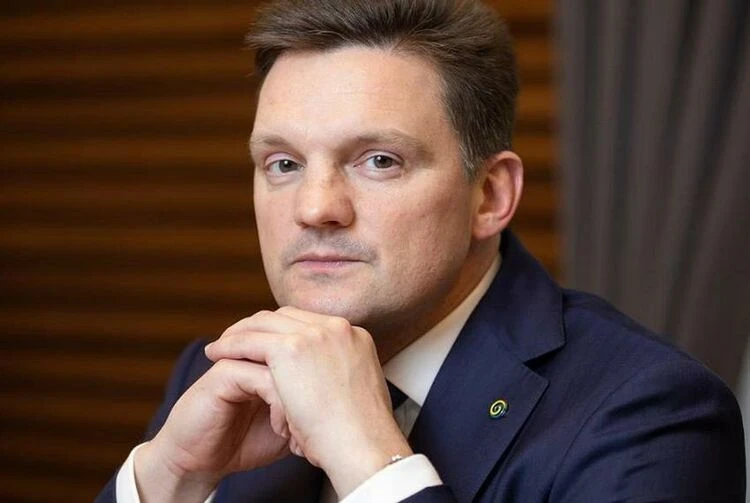
According to Podguzov, the expected increase in population should serve as a stimulus for economic growth, but it will also create a colossal burden on infrastructure systems. He stated: “For the comfortable development of the region, breakthroughs in energy efficiency, mobility, and water resource management are necessary.”
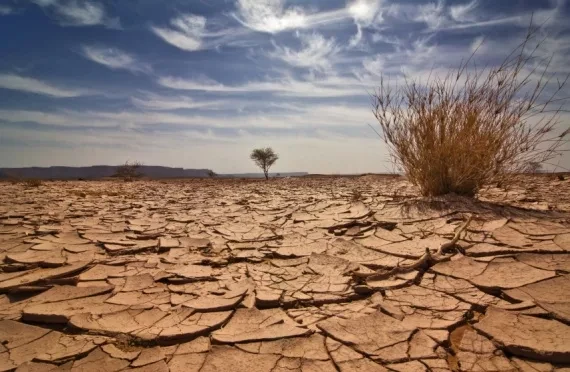
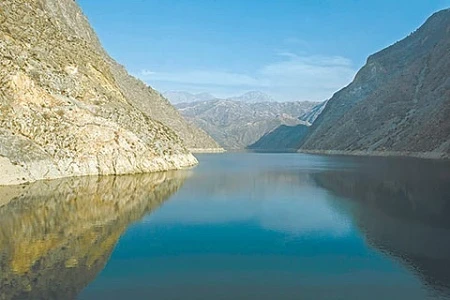
Podguzov also emphasized that Central Asia is one of the most vulnerable regions in the world to climate change. According to him, by 2028, the water resource deficit could reach between 5 to 12 cubic kilometers per year. He noted that a significant portion of water resources is lost due to outdated infrastructure. The EDB is actively involved in financing projects aimed at modernizing irrigation and implementing water-saving technologies, as well as digital accounting of water resources in this region.
The head of the EDB also discussed the impact of geographical location on the region's development. “The distance from ocean ports of more than 3000 kilometers leads to an increase in transportation costs by 20-40%, which in turn reduces economic growth rates by 1.5 percentage points per year,” he added. In his opinion, this problem can only be solved through improved transport connectivity. “In this regard, we proposed the concept of the Eurasian Transport Framework, which includes a network of corridors to reduce logistics costs and accelerate trade,” Podguzov said.
He also noted that currently, the main transport routes are directed from east to west, however, north-south directions and the Trans-Afghan corridor are also of great importance, opening access to the markets of South Asia and the Persian Gulf.
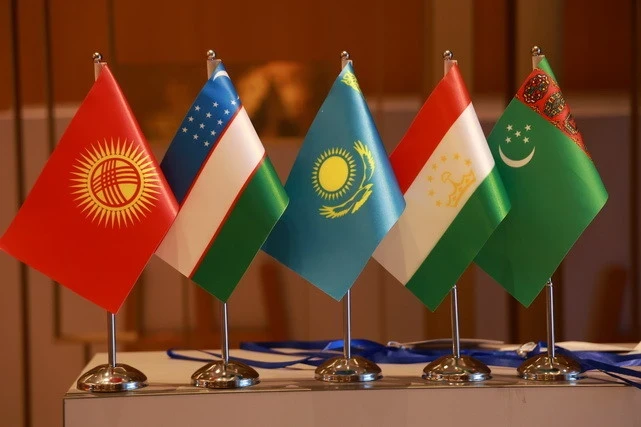
According to the EDB, Central Asia is one of the fastest-growing regions in the world, and by 2026, the economy of the five countries in the region could reach 600 billion dollars. “However, to achieve these goals, it is necessary to overcome challenges related to demographics, transportation, and water supply. These issues are interconnected,” Podguzov said.
According to UNICEF data, by 2025, the population of the region will exceed 84 million people.
The Eurasian Development Bank, established in 2006 at the initiative of Russia and Kazakhstan, celebrated its 20th anniversary in January. Its headquarters is located in Almaty.
The EDB is an international financial organization engaged in investment activities in Eurasia with the aim of developing economic ties and promoting sustainable development in the member countries: Armenia, Belarus, Kazakhstan, Kyrgyzstan, Russia, and Tajikistan. Uzbekistan joined the bank in 2025.