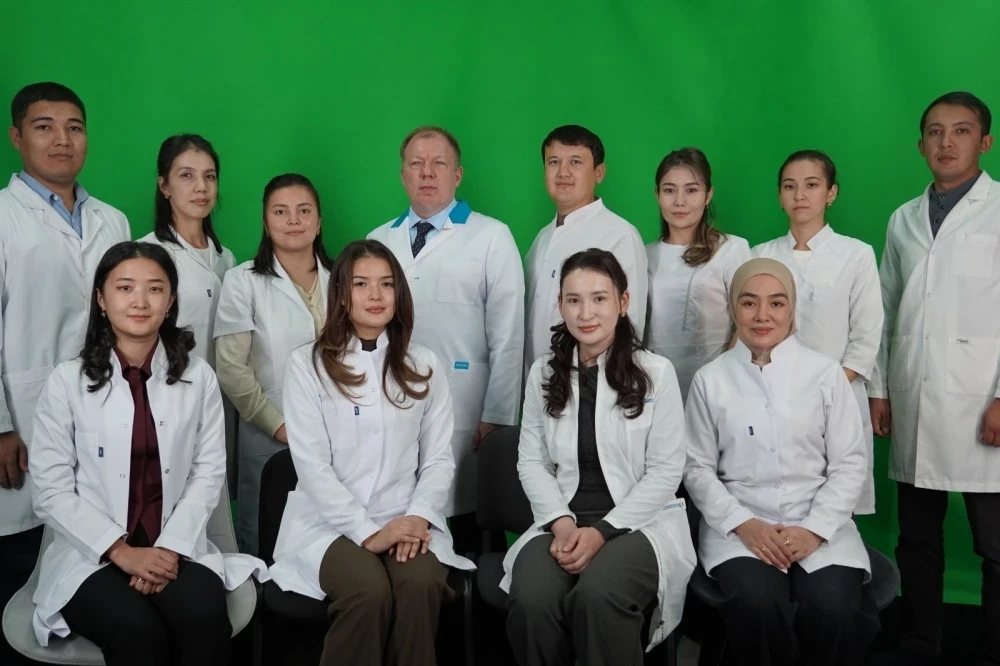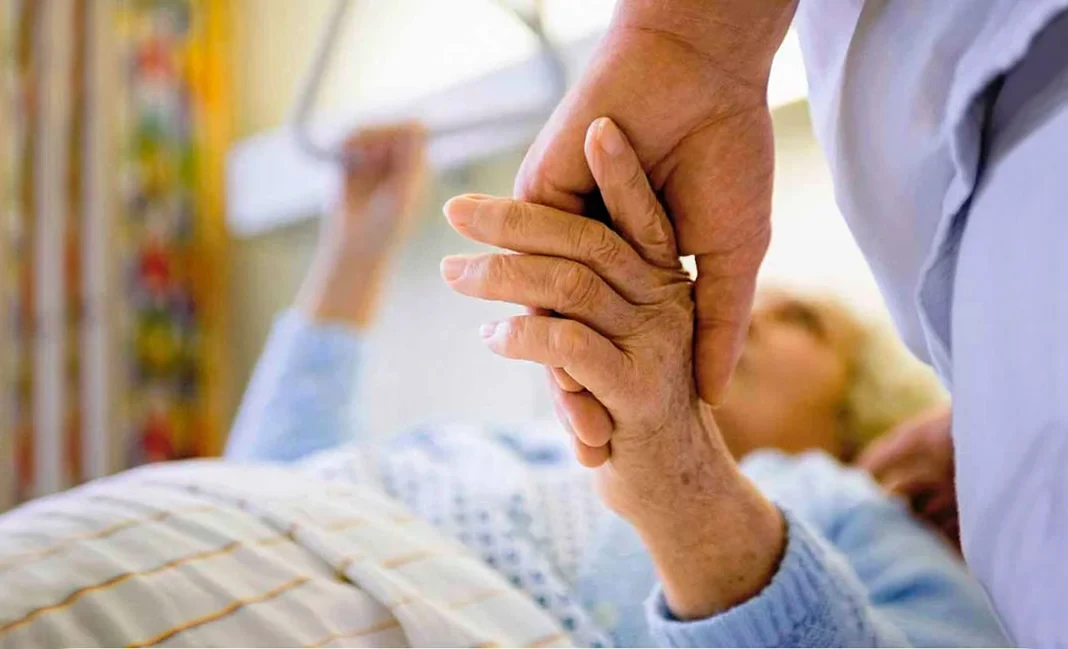
The specialists of the Bishkek Health Strengthening Center shared information about the symptoms and consequences of a stroke.
According to doctors, this condition can occur suddenly and lead to paralysis, posing a serious threat to life. If even one symptom appears, it is essential to seek medical help immediately.
A stroke is characterized by an acute disruption of blood circulation in the brain, resulting in damage or death of neurons due to the cessation of blood flow. Symptoms can manifest rapidly, affecting functions such as speech, movement, and memory within the first minutes after the onset of the condition.
There are two main types of stroke that specialists identify.
Ischemic stroke occurs when a blood clot blocks a vessel, or when a spasm occurs, leading to a halt in blood flow to the brain.
Hemorrhagic stroke, on the other hand, occurs when a vessel ruptures, causing bleeding into the brain tissue.
Symptoms indicating the onset of a stroke may include sudden weakness or numbness on one side of the body, facial drooping, severe headache, deterioration of vision in one eye, as well as slurred speech or complete inability to speak.
Stroke most often develops against the background of conditions such as hypertension, atherosclerosis, heart diseases, and diabetes. Risk factors include obesity, low physical activity, smoking, excessive alcohol consumption, chronic stress, and emotional strain.
Medical workers emphasize that even one of the aforementioned signs is grounds for an immediate call for emergency assistance. It is important to inform the dispatcher in detail about the observed symptoms, as the first 3-4 hours after the onset of a stroke are critically important—timely treatment significantly reduces the risk of serious consequences.
Adelya Klycheva