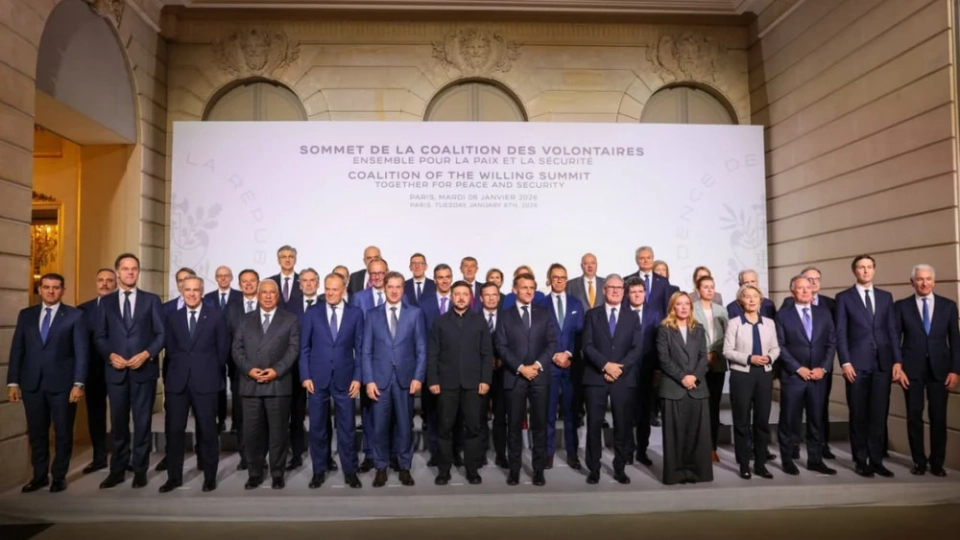
At the Responsible AI in the Military Domain (REAIM) summit held on February 5 in La Coruña, Spain, only 35 out of 85 participating countries supported the declaration concerning the governance of artificial intelligence in the military sphere.
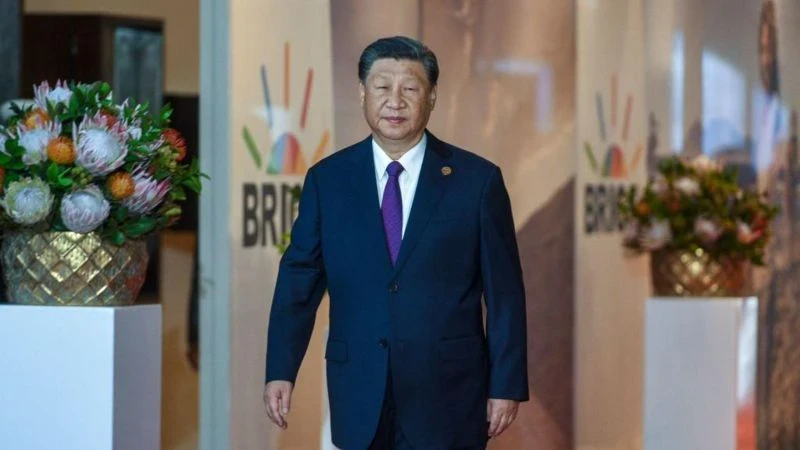
According to the press, key military players such as the United States and China refused to sign this document. Summit participants noted that the decision of countries to sign agreements was influenced by the increased tension between the United States and their European partners, as well as the uncertainty of future transatlantic relations. As a result, some states preferred to avoid even political commitments.
The declaration reflects growing concerns: the rapid development of artificial intelligence technologies threatens existing rules for its military application, creating risks of accidents, errors, and unintended escalation of conflicts.
The Dutch Minister of Defense, Ruben Brekelmans, characterized the current situation as a "prisoner's dilemma": governments are forced to impose responsible limitations but fear being at a disadvantage compared to potential adversaries. He noted that Russia and China are making significant advances, which necessitates the accelerated development and implementation of responsible approaches to the use of AI in the military.
Countries that signed the declaration agreed to a set of 20 principles emphasizing the need for human accountability in the use of AI in weaponry, the importance of a clear command hierarchy, and the necessity of sharing information about national control mechanisms, provided it does not contradict security requirements. There is also a focus on risk assessment, quality testing, and training for personnel working with military AI systems.
It should be noted that the declaration is not legally binding. Yasmin Afina, a researcher from the UN Institute for Disarmament Research who participated in advising the process, pointed out that even in this format, some countries felt uncomfortable, as the discussion was about more specific measures than in previous meetings.
In comparison, at the two previous summits in The Hague and Seoul in 2023 and 2024, more than 60 countries supported a less specific "roadmap for action" without commitments. At those meetings, the United States signed the document, while China, as now, remained on the sidelines.