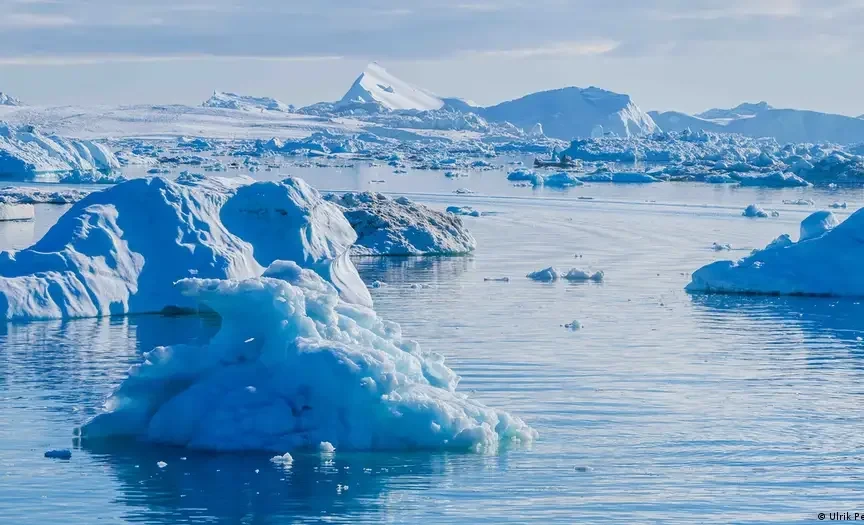
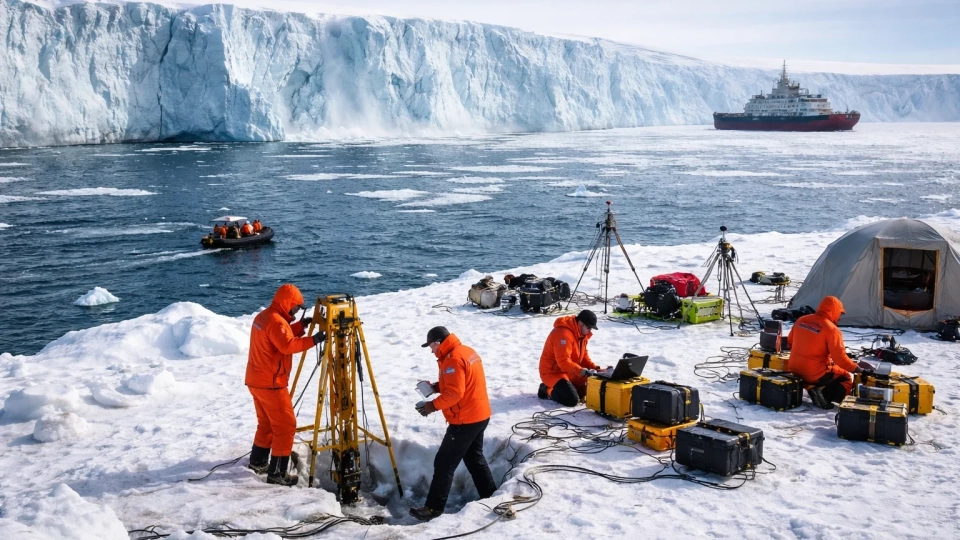
According to the latest report from the World Meteorological Organization, the period from 2015 to 2025 has become the warmest in recorded history. While annual temperature fluctuations exist, the overall trend indicates irreversible changes in the biosphere, record levels of carbon dioxide, and rapid decreases in ice cover in polar regions, media reports.
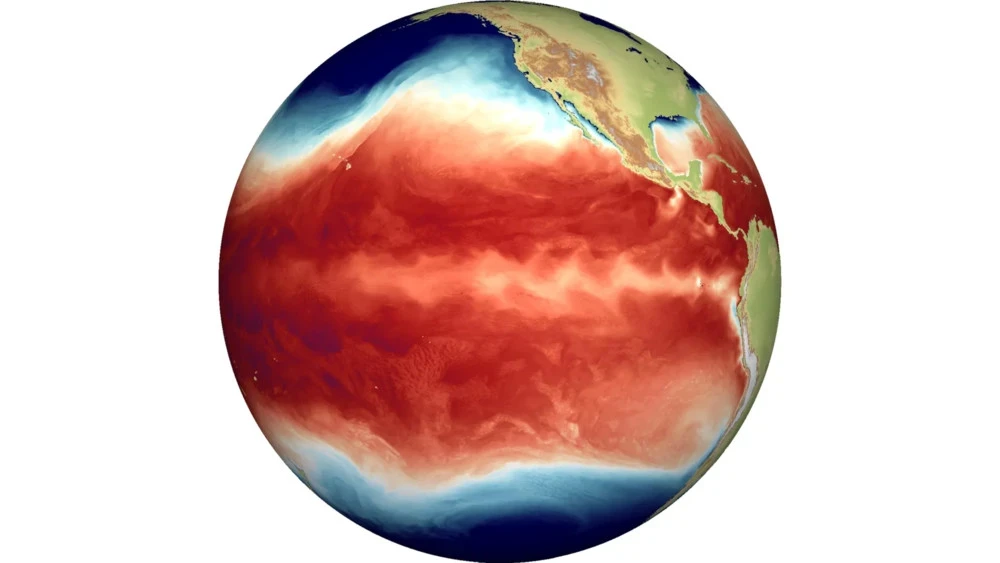
Ocean temperature. We often assess warming based on air temperature readings; however, this is only a surface aspect. The ocean has a high heat capacity, functioning as a vast heat reservoir. Considering that 91% of excess energy is absorbed by water, the heating process has a hidden and inertial nature. Even with a complete cessation of emissions, the heat accumulated in the oceans will continue to affect climate and sea levels for centuries, contributing to water expansion and the melting of shelf glaciers.
The World Meteorological Organization's report titled "State of the Global Climate 2025" notes that humanity has reached a dangerous temperature plateau. The past year was the third hottest on record, surpassed only by the record set in 2024. Scientists are observing not only increases in surface temperatures but also unprecedented ocean warming, as well as minimal sea ice extent in the Arctic and Antarctic since 1979.
Researchers emphasize that the speed of changes leaves no doubt about their origin. As climate scientist Sarah Perkins-Kirkpatrick from the Australian National University notes: "It seems we are entering a new era where temperatures will be significantly higher than they were ten years ago."
The last three years have demonstrated changes of such magnitude that they can only be explained by human-induced global climate change. The levels of greenhouse gas accumulation—carbon dioxide, methane, and nitrous oxide—have reached record highs in the last two million years, pushing the system beyond natural variability.
Planetary Energy Imbalance
One of the key points of the report was the introduction of the Earth Energy Imbalance (EEI) metric. This parameter more accurately reflects the essence of ongoing processes compared to traditional air temperature measurements. EEI shows the difference between the energy the planet receives from the Sun and the energy it radiates back into space.
Due to significant levels of greenhouse gases, excess heat remains in the Earth's system. In 2025, this imbalance reached a record level since observations began in 1960. Experts believe that the atmosphere absorbs only about 1% of the excess heat, while over 91% goes into the global ocean. This makes the EEI metric a more reliable indicator of long-term warming, as it is less susceptible to short-term fluctuations caused by volcanic eruptions or climate cycles such as La Niña.
In addition to environmental consequences, the heat leads to humanitarian crises: changes in precipitation patterns have created ideal conditions for mosquito breeding, making dengue fever one of the fastest-growing viral threats on the planet.
The article "The World Has Experienced the 11 Hottest Years on Record" was first published on K-News.