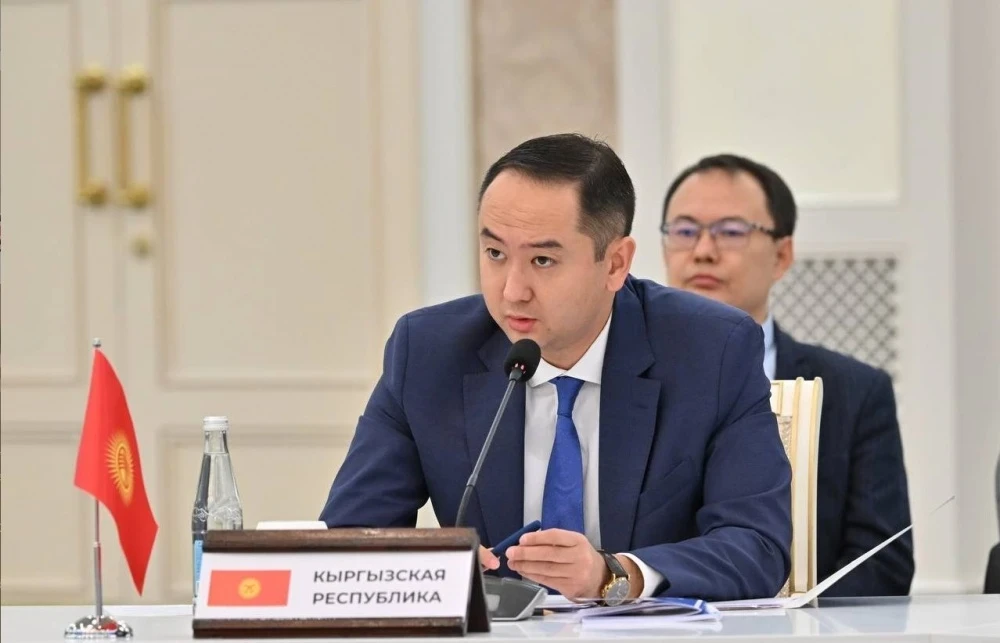
Cosmas Zavazava, Director of the Telecommunication Development Bureau of the International Telecommunication Union (ITU), shared information about the multitude of threats facing children.
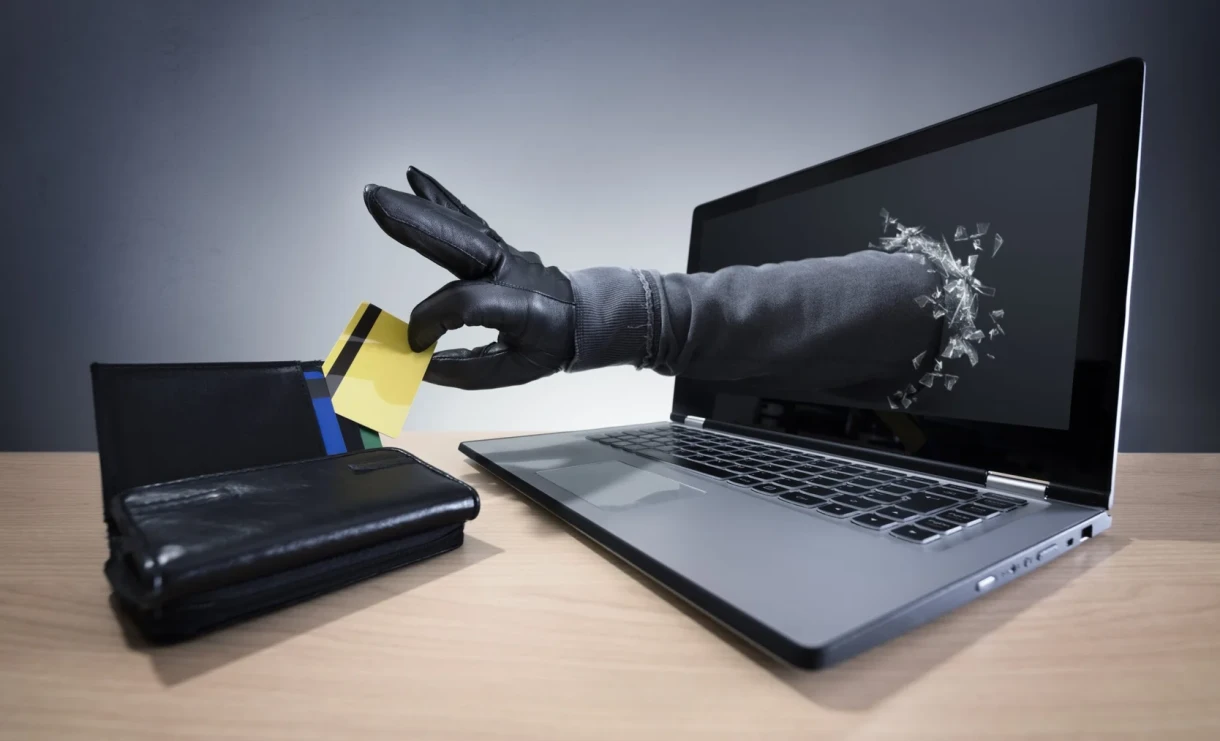
Among them are: grooming, deepfakes, the introduction of unsafe features into digital services, cyberbullying, and access to unacceptable content.
“The COVID-19 pandemic demonstrated how many children, especially girls, became victims of online violence, often leading to physical harm,” noted Zavazava.
Organizations focused on child protection report that perpetrators are using AI to analyze children's behavior and emotional state online, allowing them to develop more effective manipulation strategies.
Moreover, AI enables criminals to create fake images of real children, leading to the emergence of new forms of sexual extortion. According to a report by the independent Institute for Global Child Safety, Childlight, by 2025, the number of cases of sexual violence against children using technology in the U.S. is expected to rise from 4,700 in 2023 to over 67,000 in 2024.
At the end of 2025, Australia became the first country in the world to ban children under 16 from creating social media accounts, based on findings that the risks from such content significantly outweigh potential benefits.
For more information Protection or Isolation? Why banning social media for children may have the opposite effect
The Australian government referred to its own research, which showed that nearly two-thirds of children aged 10 to 15 encountered violent, abusive, or traumatic content, and more than half experienced cyberbullying. The majority of such content came through social media.
Some other countries, including Malaysia, the UK, France, and Canada, are also considering implementing similar restrictions. For example, according to media reports, the National Assembly of France has already passed a bill in its first reading that prohibits children under 15 from using social media. The document will subsequently be sent to the Senate for consideration.
In early 2026, UN structures focused on child protection signed a Joint Statement on Artificial Intelligence and Children's Rights, which raises serious risks and emphasizes that society is not ready to overcome them.
According to the UN, countries need more practical recommendations for effective regulation in this area, and an extensive list of recommendations has been prepared for this purpose.
“Children are starting to use the internet at increasingly younger ages, and their protection is extremely important,” emphasized Zavazava. “That is why we have developed recommendations for protecting children online. The first part is aimed at parents, the second at teachers, the third at regulatory bodies, and the fourth at industry and the private sector.”
Key Recommendations
- States should improve AI regulatory systems to protect children's rights.
- International organizations must consider children's rights in their strategies and measures related to AI.
- Governments and companies are required to ensure transparency, accountability, and safety in the use of AI.
- States must prevent and combat violence and exploitation of children using AI.
- Reliable child-focused data protection mechanisms are necessary.
- Decisions made using AI should consider the interests and holistic development of each child.
- AI must be inclusive and free from bias so that all children can benefit from its advantages.
- Children's opinions and experiences should be taken into account when developing AI policies and systems.
- AI development should promote environmental sustainability and minimize long-term harm to future generations.