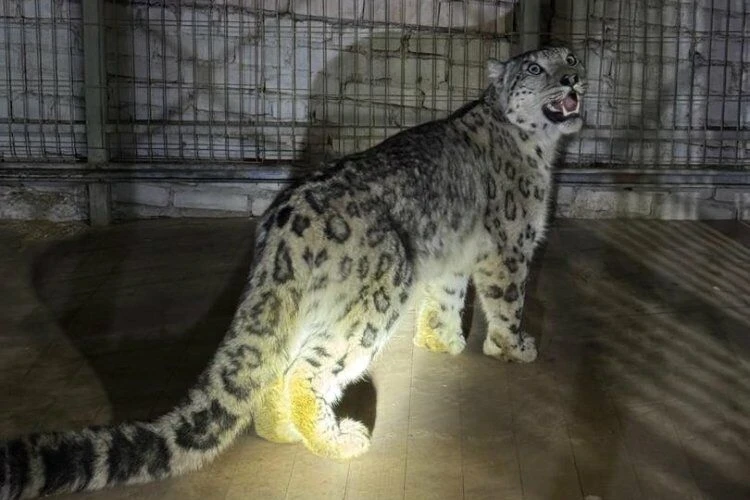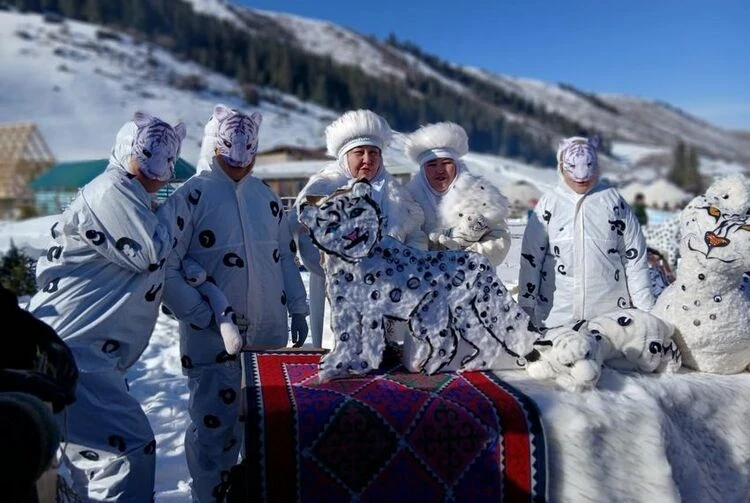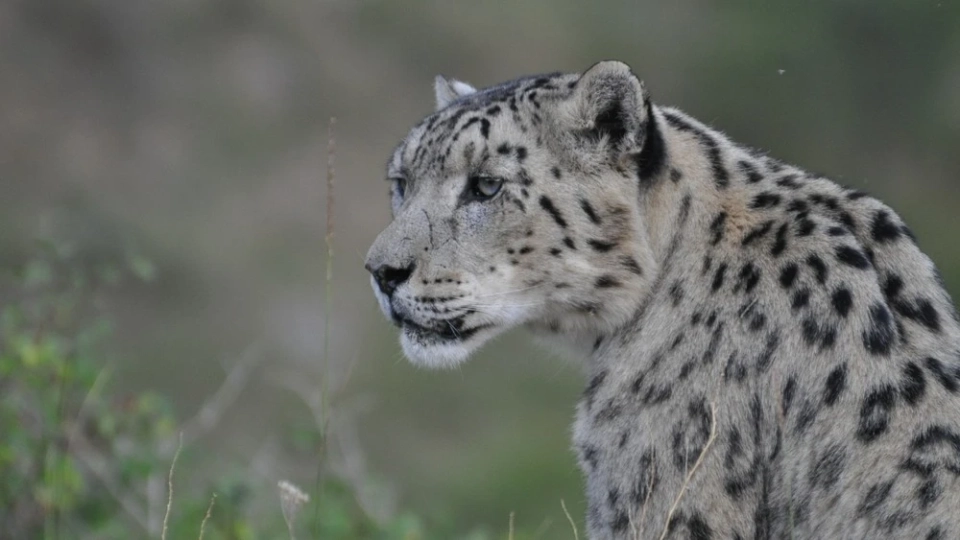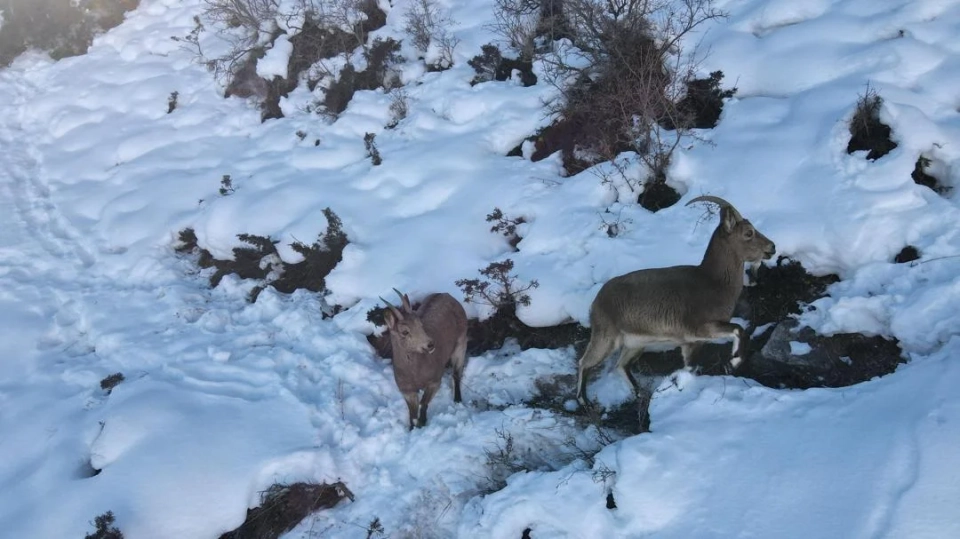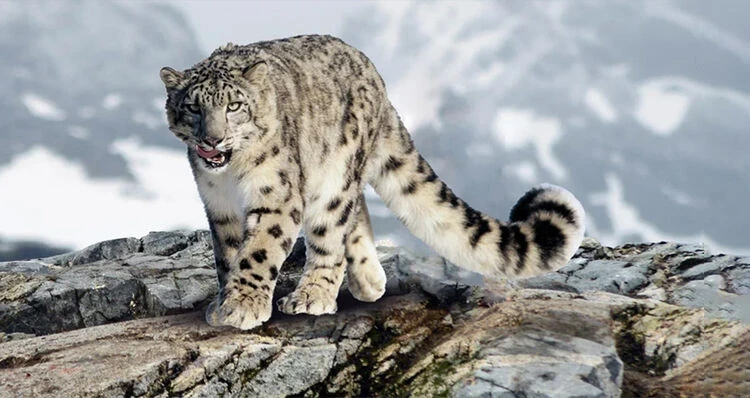
Observing snow leopards has become a popular direction in ecotourism in many countries, such as India, Mongolia, China, and Pakistan. Inspired by successful examples, the Snow Leopard Foundation in Kyrgyzstan, with the support of the United Nations Development Programme (UNDP), launched a project in 2023 called "Snow Leopard Tours - A Key to Preserving Local Nature."
According to the UN News Service, this project has become the foundation for developing ethical tourism in the Sarychat-Eertash Nature Reserve. As part of the initiative, training workshops were organized for rangers and local residents, and necessary equipment was purchased — from tents and yurts to solar stations and pack bags. This has created a comfortable and environmentally safe environment for wildlife observation.
Tours run from mid-autumn to the end of winter, and over the two seasons following the project's completion, about 10-12 groups, totaling approximately 60-70 people, have joined the reserve and surrounding areas, including the Jangart and Ak-Shyyrak regions.
“Unlike other excursion routes, we take into account the capacity of the reserve and the ecosystem. The number of participants in a group is limited to six people, and we ensure that there are not multiple groups in the reserve at the same time,” emphasized Kubanychbek Jumabay uulu, director of the Snow Leopard Foundation in Kyrgyzstan.
Starting in 2025, each tourist will contribute $100 to the local community's conservation fund. These funds will be used to support rangers, develop infrastructure, and protect nature.
With a sustainable flow of tourists, the annual contribution is expected to reach $7,000 — a significant help for remote regions of the country. Each tour generates income of $3,000 to $4,000, with all services provided exclusively by local residents: rangers, guides, cooks, and guesthouse owners.
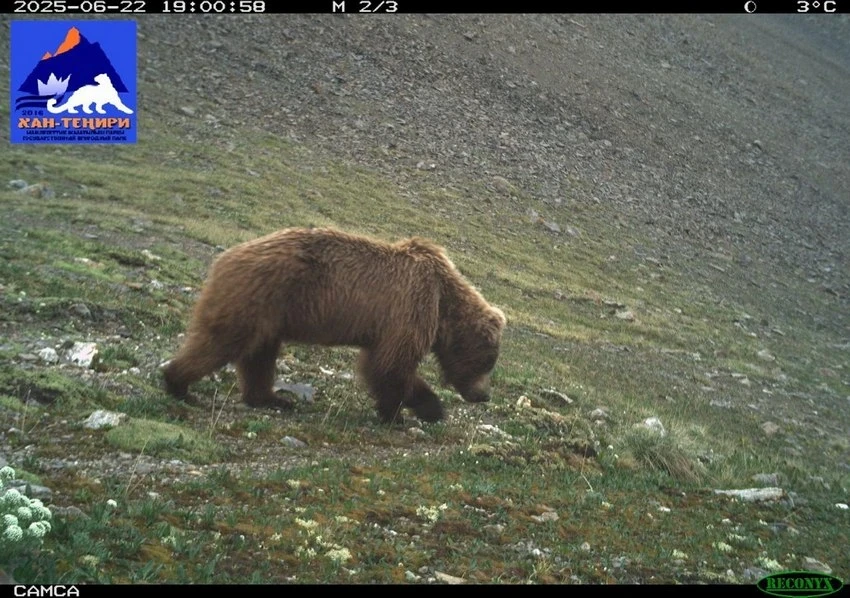
It is important to note that the emphasis is on careful and unobtrusive observation of wild animals in their natural habitat. Tourists strive to capture rare moments when a snow leopard appears, as well as other predators — wolves, bears, manuls, and large scavengers. Predators such as wolves and foxes, which were previously considered "harmful," are now becoming valuable and attractive subjects for observation.
The excursions have contributed to the improvement of the reserve's infrastructure and the enhancement of service levels. Now, rangers and local guides have become more qualified, and statistics show that the probability of seeing a snow leopard during a tour has reached 90%, which is a unique indicator even by world standards.