- Decisions in the governance of the country are made based on the Constitution and laws, not religious teachings.
- Political processes are not influenced by religious organizations.
- All religions and beliefs are treated equally under the law; none is state-sponsored.
- Citizens have the right to follow any religion or to not adhere to any.
There were also issues with the quality of religious education and a lack of understanding of religion among the youth, which led to some individuals becoming involved in destructive movements and leaving for countries like Syria.
In 2025, amendments were made to the law "On Freedom of Religion and Religious Organizations," leading to stricter controls and the separation of religious figures from political activities. Religious leaders wishing to participate in elections had to renounce their religious authority and could only become candidates after five years. All religious organizations are required to coordinate construction, distribution of literature, and educational projects with the Department of Religious Affairs. Unified standards for religious educational institutions have been introduced.
The concept of state policy in Kyrgyzstan regarding religion for 2021–2026 reflects methods of adhering to secular principles:
- Tightening legislation against religious groups involved in politics.
- Prohibition of using religious influence in elections, participation of religious leaders in campaigning, and using religious buildings for political purposes.
- Introduction of secular subjects in religious educational institutions and subjects such as "History of Religious Culture" in schools to reform the educational system.
- Creation of a legal mechanism for cooperation between government officials and religious leaders.
- Conducting informational and explanatory work about religion, providing the population with reliable information, and monitoring the finances of religious organizations.
"In the process of implementing state policy in the religious sphere, public opinions on social networks are taken into account. However, there are also negative consequences, such as the spread of false information and manipulation of public opinion through 'bots,' which can lead to disagreements.
The digital environment has become a new space for the spread of religious radicalism, where extremist ideas quickly gain popularity. Strengthening secular principles is a key priority in both concepts of state policy in Kyrgyzstan regarding religion (2014–2020 and 2021–2026), which contributes to forming a correct understanding of secular principles in society.
Changes to the law on freedom of religion contribute to improving measures for ensuring public safety. Efforts are being made to explain secular principles and state policy in the religious sphere, as well as to prevent religious extremism and radicalism.
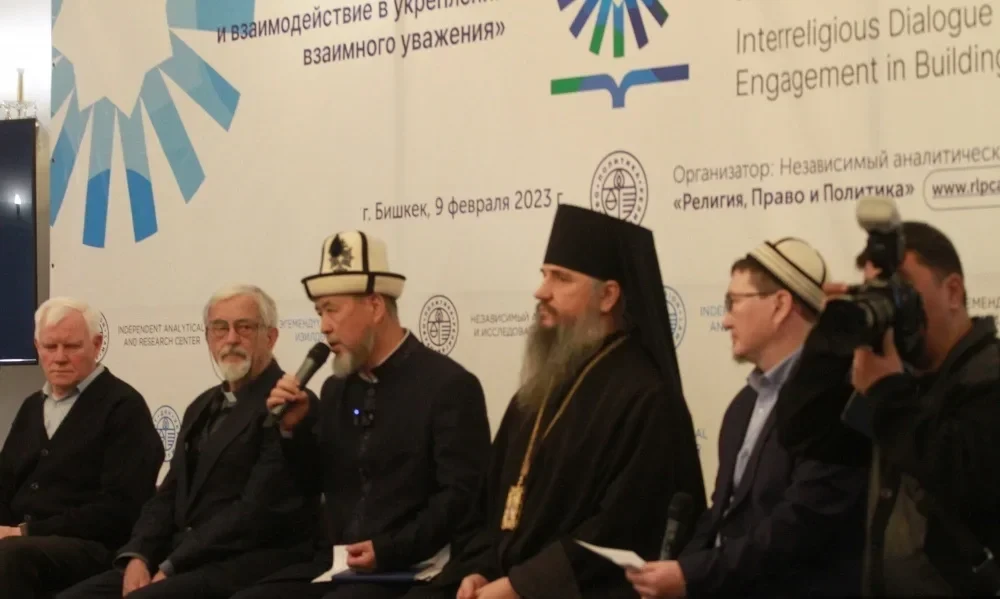
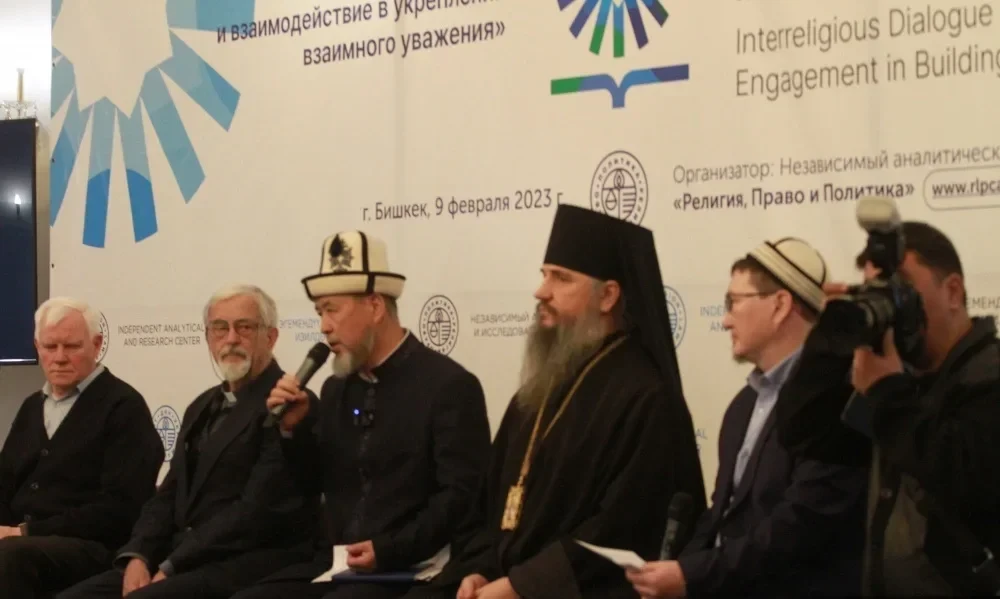
To strengthen interfaith harmony and social cohesion in Kyrgyzstan, an Interfaith Advisory Commission has been established, which annually organizes thematic events," the press service of the National Agency for Religious Affairs and Interethnic Relations reported.