At the end of January, the European Union intensified its sanctions against Russia's financial system, adding it to the list of countries with a high risk of money laundering and terrorism financing.
This decision came into effect on January 29 and implies stricter control by EU banks over all financial transactions related to Russia.
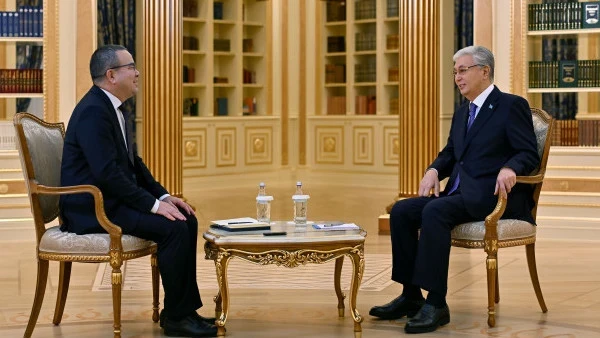
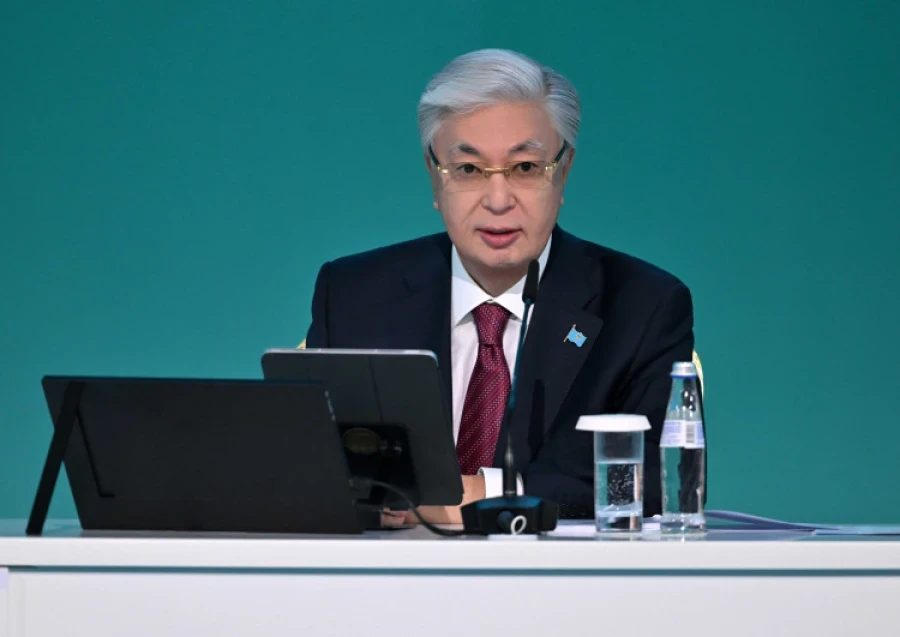
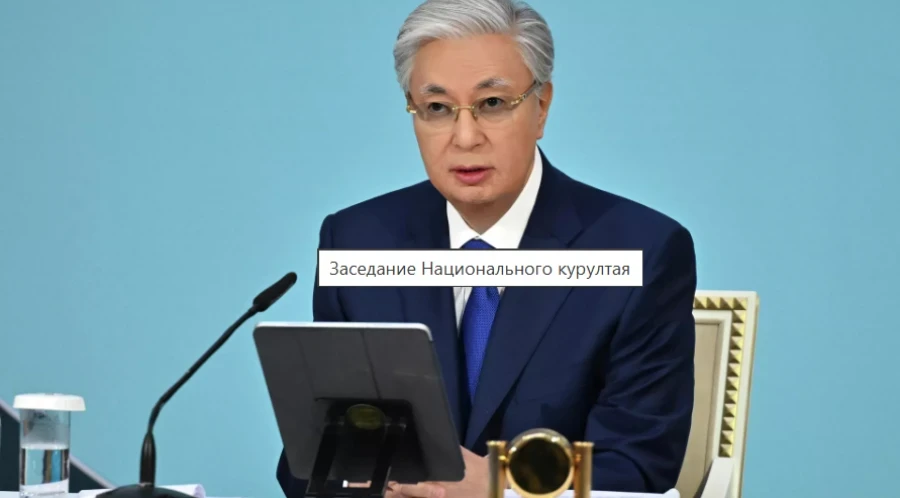
At a recent meeting at the Financial Monitoring Agency, Kazakhstan's President Kassym-Jomart Tokayev mentioned a hidden transit of $14 billion through one bank, which he believes is just the tip of the iceberg.
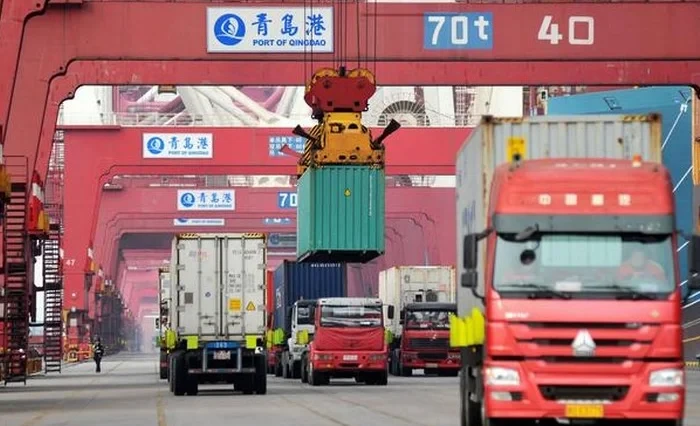
At the same time, the European Parliament is discussing the acceleration of the implementation of the Middle Corridor, in which Central Asia is actively involved.
Collectively, these events signal significant changes on the continent – Europe and China are striving to create a new world order for mutual benefit. This is happening against the backdrop of rising costs and risks in maritime logistics through the Black and Mediterranean Seas, as well as long and expensive routes from China to Europe via the Southern route.
Which Central Asian country will manage to take on the role of the financial center of the Middle Corridor remains an open question. Europe is not interested in financing the Russian budget through companies in Kazakhstan or Armenia that are linked to the Russian military machine. Armenia, in turn, has begun to distance itself from Russia after the Karabakh conflict and even suspended its membership in the CSTO, while Kazakhstan continues to provide significant resources to its neighbors.
In this context, Kyrgyzstan has a chance to become the new financial center servicing the main transport corridor, although it faces challenges related to gray imports, sanctions against its banks, and smuggling of sanctioned goods.
Situation in Kazakhstan
Nuclear Power Plants and Dependence on "Rosatom"Kazakhstan was on its way to becoming a key player in Central Asia; however, the decision to build a nuclear power plant with a Russian contractor has strengthened the country's dependence on Moscow in the energy sector and technologies. This is a long-term decision that ties Kazakhstan to Russian foreign policy for a century. Furthermore, "Rosatom" has come to the country along with private military companies funded by the Russian budget and controlled by the Russian Ministry of Defense.
Internet Dependence on Russia
The former head of "Kazakhtelecom," who held the position for 14 years, left in June 2024 to become an advisor to the president. He was criticized for not laying an underwater cable across the Caspian Sea, which could have helped avoid dependence on censorship, despite his wealth. Traffic from Kazakhstan passing through Russia is subject to filtering and slowing down, coinciding with tightening control and restrictions on freedoms in Russia.
Oil Transit
Kazakhstan has been dependent on Russia for oil transit since its independence. This dependence has been criticized for many years. Secret ties between Putin and Nazarbayev were revealed, including by Nazarbayev's grandson shortly before his death. Changes in ownership in the oil sector have not led to the creation of an independent export infrastructure.
According to Kazakhstan's Ministry of Energy, the import of petroleum products from Russia is planned for 2025, including 285 thousand tons of gasoline and 450 thousand tons of diesel fuel.
It should be noted that inflation in Kazakhstan, which both presidents have struggled with, is non-monetary in nature, and rising fuel prices also affect the increase in food costs. This factor is beyond the control of the government, and demands come from the heads of the banking regulator.
Smuggling of Sanctioned Goods
Trade data shows a sharp increase in supplies of sanctioned goods to Russia: electronics, boards, and military equipment. Kazakhstan not only does not close these schemes but has also become a convenient buffer for Russia on its way to global markets. The situation in Kyrgyzstan is also complicated.
Product Labeling
Product labeling provides Russia with the opportunity to control all value chains in Kazakhstan. Russian companies, such as "Rostec" and "Gazprombank," collected fees from manufacturers through the "Honest Sign" labeling system. This is perceived as a hidden tax, leading to increased prices for goods.
Financial System
After the introduction of international sanctions against Russia, Kazakh banks demonstrated a façade of compliance with these sanctions; however, the volumes of transit of sanctioned goods show enormous cash flows. The amount mentioned by President Tokayev of $14 billion is merely the difference in statistics between Kazakhstan and China, not accounting for Russia and Iran. Financial regulators have sometimes complained about crypto exchanges and bank cards for Russians in Kazakh banks.
Kazakhstan had the opportunity to become a financial hub but chose the path of quick personal gain, turning it into a vassal of Russia. As a result, entire sectors of the economy are being surrendered in favor of Russian oligarchs.
Kyrgyzstan's Chances on the International Stage
Sanctions against several state banks and statements from European officials about involvement in schemes with sanctioned goods cast doubt on Kyrgyzstan's future as a financial center.Nevertheless, Kyrgyzstan can still aspire to become a financial hub similar to Hong Kong or Singapore—a center of connection between two worlds.
Kyrgyzstan faces the same challenges as Kazakhstan but with different consequences.
Parallels can be drawn with examples of the implementation of Russian sanctioned banks.
The TSUPIS (Unified Center for Accounting and Transfer of Interactive Bets) in Kyrgyzstan was not implemented, unlike in Kazakhstan, where the system was launched despite protests from deputies and financial regulators. The threat of sanctions affected those Kazakh banks that tried to lobby for the system.
In November 2025, deputy Bakytzhan Bazarbek published video recordings from a committee meeting where he characterized the implemented system as a "facade" behind which Russian companies stand. In Kyrgyzstan, the situation was different: the product labeling operator "Alpha Telecom" was nationalized, which helped avoid corruption schemes.
Despite recent sanctions against "Keremet Bank" and other financial instruments, Kyrgyzstan has begun the process of improving its reputation.
Kyrgyz banks have strengthened control over transactions and internal procedures, allowing them to conduct checks in accordance with international standards. This enables the identification of nominal owners and controlling persons, which is a sign of circumventing sanctions. As a result, the AML/CFT system in Kyrgyzstan has significantly improved.
The path that Kyrgyzstan has taken is still ahead for Kazakhstan, given that in light of new sanctions, at least three Kazakh banks may find themselves under international restrictions.