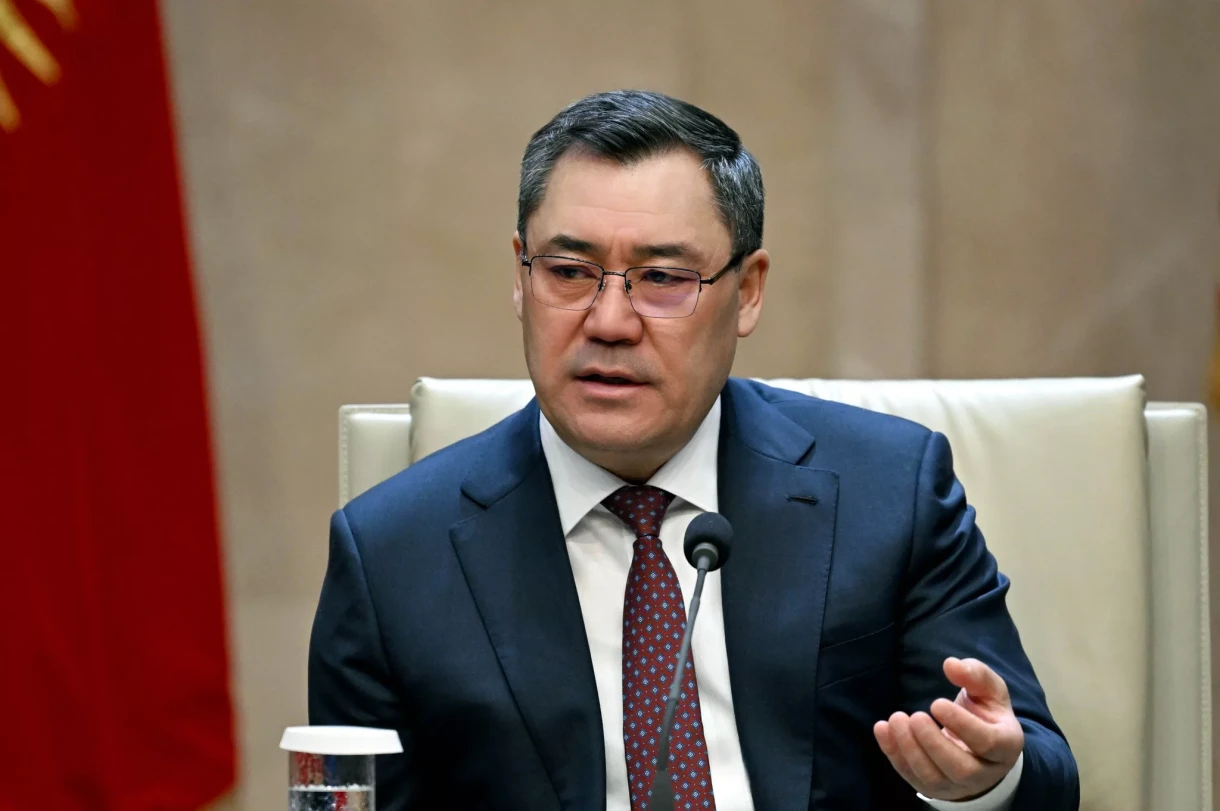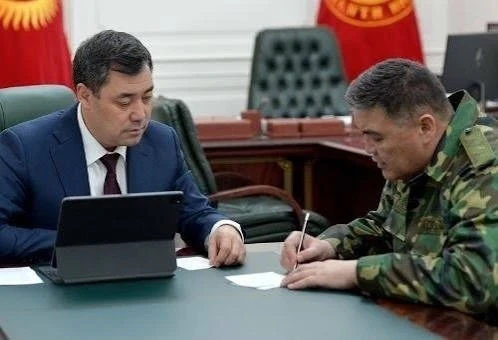
The resignation of Kamchybek Tashiev from the position of head of the State National Security Committee of Kyrgyzstan and the preceding publication of the so-called "letter of 75" have become topics of discussion among political and public experts. In this letter, 75 figures, including former official Bekbolot Talgarbekov, expressed the need for early presidential elections. Talgarbekov had previously stated his connections with retired Russian generals, which became a subject of discussion.
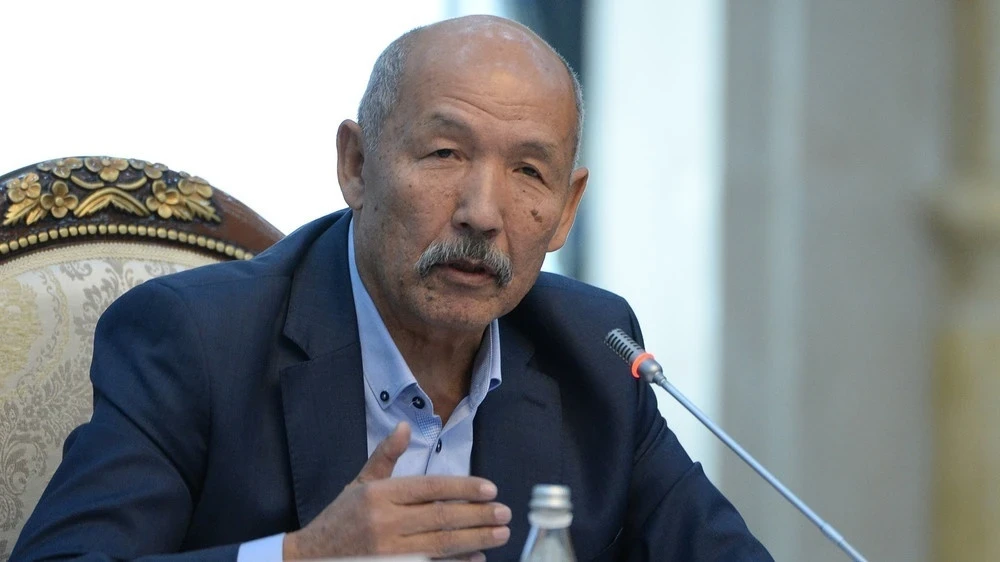
Political scientist Bakytbek Jumagulov assessed the relevance of Talgarbekov's statements, noting that Kyrgyzstan has strategic partnership relations with Russia:
“I cannot assert or deny the existence of such acquaintances for Talgarbekov, but they may influence internal political processes. Kyrgyzstan and Russia are strategic partners, and we participate in organizations such as the CSTO and EAEU, as well as the Shanghai Cooperation Organization. In such conditions, similar initiatives are usually not welcomed.”
Jumagulov also commented on the attempts of some signatories to distance themselves from this initiative:
“Before signing anything, I always carefully study the document. If I agree with its content, I sign it, and I can justify it. In cases of such serious issues as early elections, it is necessary to have a clear position.”
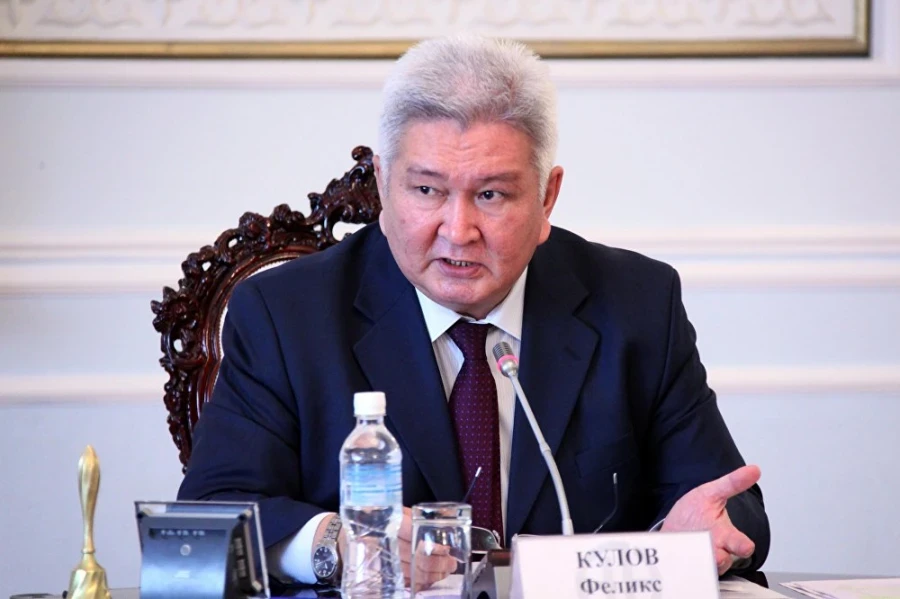
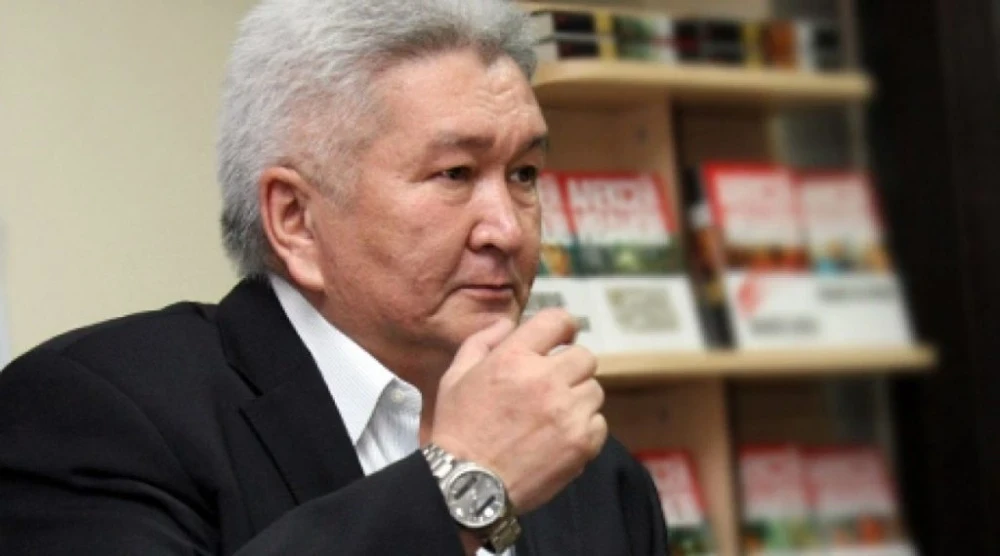
Felix Kulov, former Prime Minister, also expressed his opinion on the "letter of 75," pointing to the December kurultai with the president as a possible source of political intrigue:
“It is not a coincidence that such a situation arose. At the kurultai, the president spoke about the fight against corruption, which led to many appeals from people dissatisfied with the work of certain officials. Then attempts began by politicians and bloggers to launch an initiative for early elections, although there were no legal grounds for this.”
Kulov also noted that deputies and other political figures became involved in the intrigue. When the president saw that the situation threatened the head of the State National Security Committee, he made the decision to dismiss him:
“Kamchybek Kadyrshaevich took this decision with understanding,” added Kulov.
Discussing the attempts of the initiators of the "letter of 75" to withdraw their initiative, Kulov emphasized:
“Some of them said that this was done in the interests of the state, but in reality, the text of the letter did not contain grounds for early elections. This led to undesirable consequences.”
As for Talgarbekov and his alleged connections with Russian generals, Kulov expressed doubt about the seriousness of his words:
“I think he is simply politically naive, and his words should not be taken seriously. Unfortunately, people believed him and signed the letter, as a result of which they found themselves in a difficult position.”
Regarding the relationship between the president and Tashiev, Kulov noted:
“The president spoke sincerely; their friendship is strong, and they made promises to each other. However, in politics, there are moments when decisions are made in the interests of the state, not a specific person.”
Commenting on Tashiev's quick return to the country, Kulov noted:
“He was primarily thinking about the state and wanted to restore order to eliminate the negative consequences of signing various documents. I believe he acted correctly.”
Doctor of Political Science Kubat Sultanbekov also shared his opinion on the current political processes in Kyrgyzstan:
“Tashiev's return confirms that there will be no persecution. This indicates the strong friendly relations that have existed between them for many years. Over the past five years, there have been no noticeable conflicts, which emphasizes the depth of their connections.”
Sultanbekov added that they both bear great responsibility for stability in the country, promising the people not to allow a repetition of the events of 2005 and 2010. He is confident that stability will be ensured and reforms will continue.