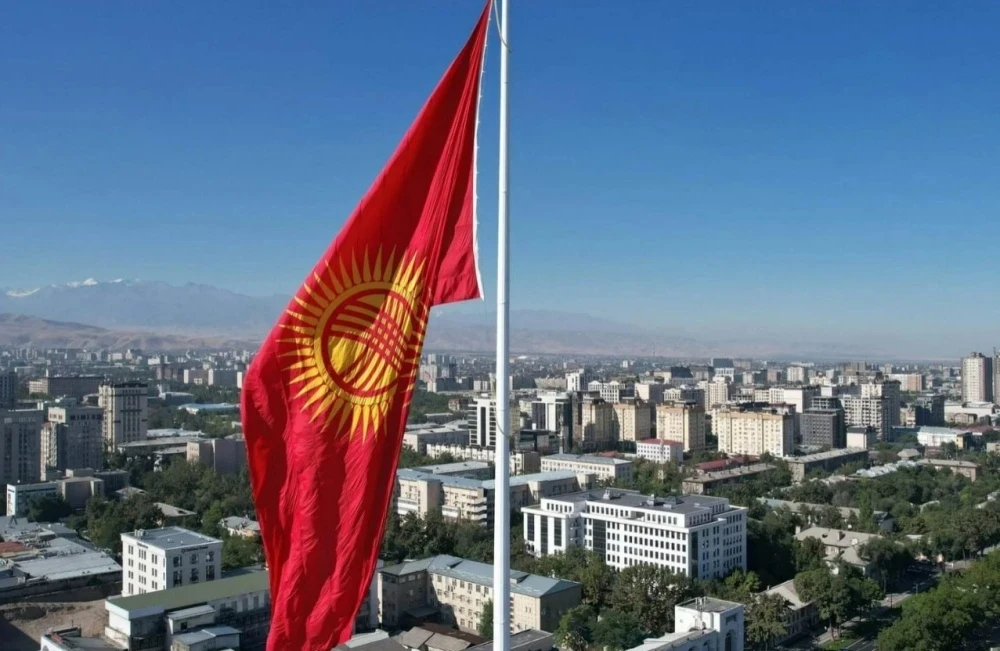
Kyrgyzstan is a unique country in Central Asia. While its neighbors have established stable verticals of power, stability in Bishkek has often turned into sharp changes. Three revolutions in three decades of independence are not just numbers, but a reflection of a deep social demand for justice and accountability from the authorities.
Recent tumultuous constitutional changes and the transition to a super-presidential model of governance have sparked numerous discussions both within the country and among international experts. The main question on the agenda is: has Kyrgyzstan, by implementing yet another round of reforms, taken a step forward towards more effective governance and stability?
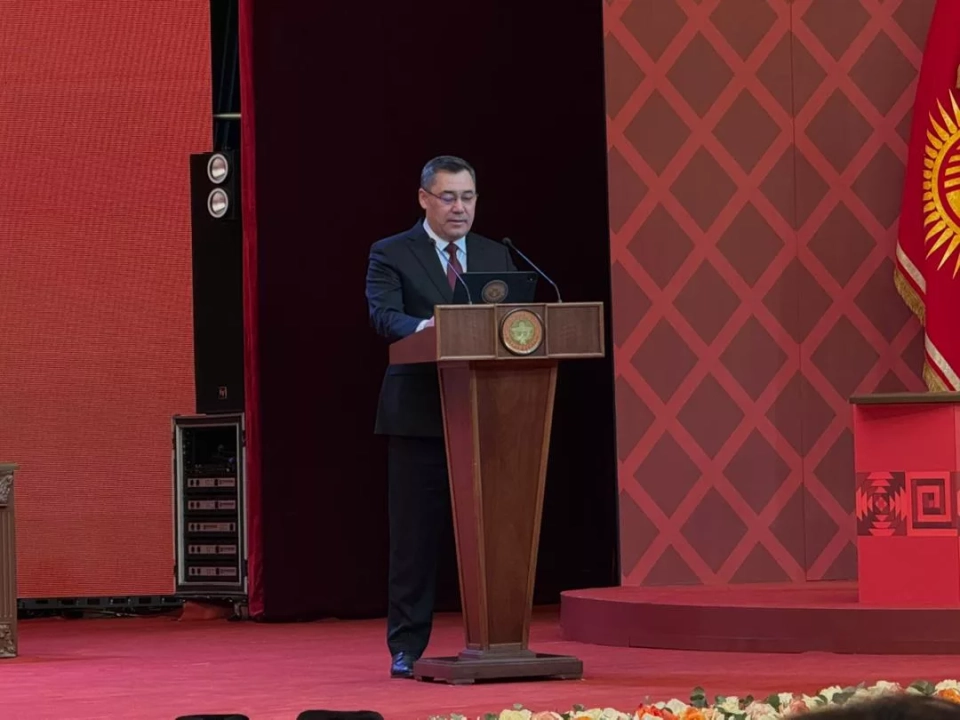
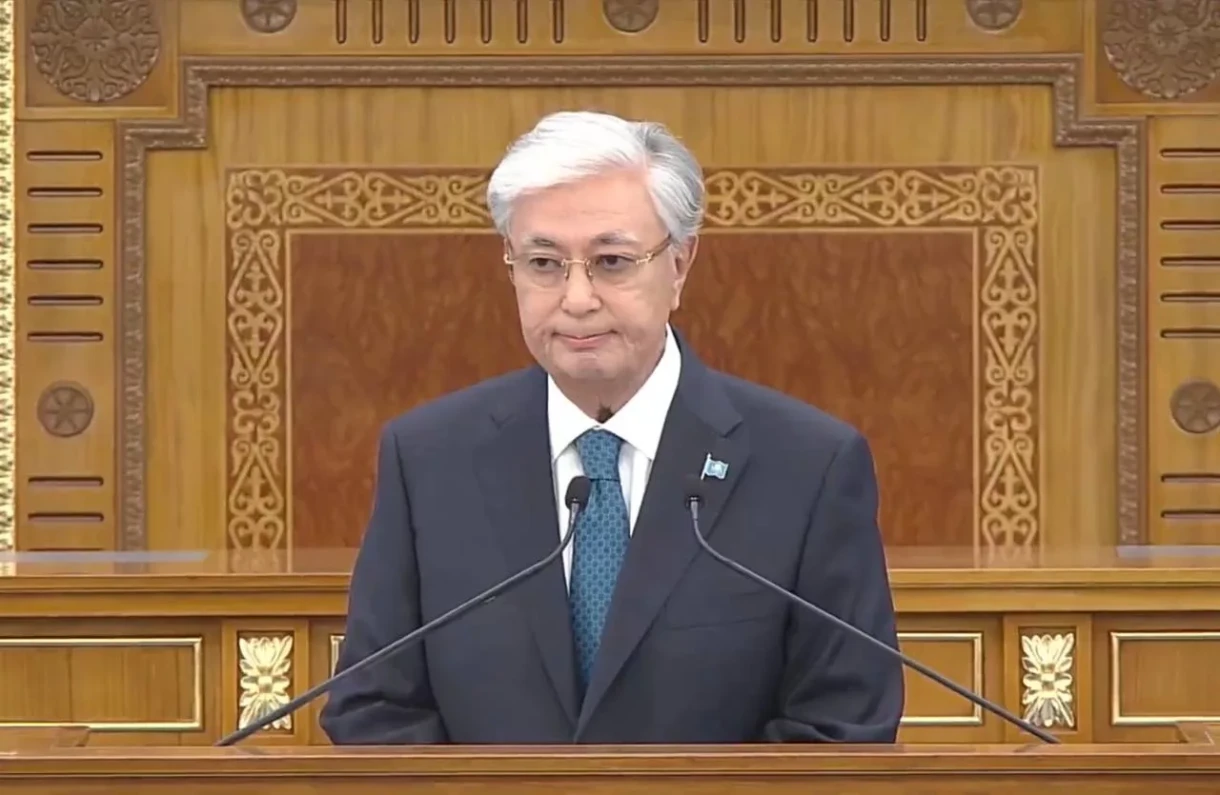
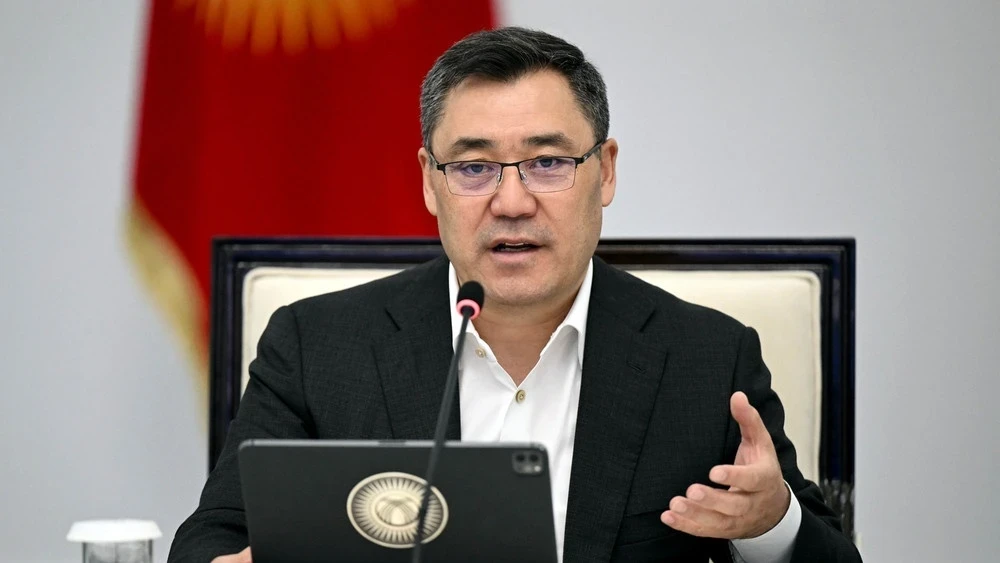
The basis of the recent changes is not only the desire of one leader to strengthen his position but also a serious crisis of trust in previous institutions. The president's team has achieved success: as of 2025, the "Public Trust Index" stood at 46.2 points, which is 18% higher than in 2024. Prime Minister Adylbek Kasymaliev noted that this growth is clear evidence of high public trust in the policies of President Sadyr Japarov and his team. The socio-economic reforms of recent years demonstrate significant improvements in the functioning of government agencies and their focus on the needs of the population.
The old system, based on a complex parliamentary balance (where the president collaborated with a strong parliament), often led to paralysis of power. Legislators, detached from real problems, endlessly bargained, and governments changed so quickly that they could not approve the budget.
Proponents of the recent transformations argue that a country facing corruption, poverty, and the need for external maneuverability requires a strong decision-making center. A president with expanded powers should guarantee the enforcement of laws rather than turning them into bargaining chips.
In February 2026, a survey was conducted, revealing that 81% of citizens support Sadyr Japarov's activities as president. Meanwhile, 75% of respondents expressed unconditional trust in the head of state, believing that he is successfully fulfilling his duties.
The constitutional changes adopted in 2021 effectively rewrote the rules of the game, significantly strengthening the executive branch. Supporters of these changes view them as a victory of common sense over political anarchy and an opportunity to launch necessary economic and social reforms without constant political conflicts.
Despite having a strong team, there have also been setbacks. On February 16, Transport Minister Absattar Syrgabaev, Natural Resources Minister Meder Mashiev, and Emergency Situations Minister Boobek Azhikeev were dismissed. On February 24, Health Minister Kanybek Dosmambetov and Deputy Prime Minister Bakyt Torobaev lost their positions.
The Minister of Transport was dismissed for good reason, as the president had mentioned issues with the condition of roads in Bishkek back in 2024. "I know about the complaints regarding the roads built by the ministry. They are indeed of poor quality and deteriorate quickly," said Sadyr Nurgozhoevich.
Recently, Kyrgyzstan saw a change in its second health minister. Initially, the position was held by Erkin Cheichebaev, who was replaced by Kanybek Dosmametov, a person with over twenty years of experience in law enforcement agencies. Problems in the Ministry of Health have been accumulating for years. Former Minister Cheichebaev noted in an interview that "the root of the problems lies in the lack of a strategic vision for the development of the oncology service."
There is a severe shortage of medical personnel. In Kyrgyzstan, there are only about 17 specialists per 100,000 population, while in Russia, this figure is around 30. This is due to low wages, which drive doctors abroad, mainly to Russia. The president has set tasks to address these issues, but real results are still insufficient.
It is clear that problems in these areas are not resolved instantly. Nevertheless, they need to be addressed. It is important to note that the desire for a "strong hand" should not lead to the destruction of control and balance mechanisms that ensure parliamentary oversight of officials' actions.
Kyrgyzstan is in a transitional state, where the desire for stability coexists with the active desire of citizens to participate in the governance of the country. Reforms have indeed brought a certain semblance of effectiveness and allowed for a number of decisions that were impossible in the previous system, which can be considered their "victory."
However, if this effectiveness is achieved at the expense of suppressing opposition, limiting media freedom, and weakening parliamentary control, then the price of such a "victory" is too high. History shows that systems lacking mechanisms of control and checks and balances inevitably face new waves of discontent.
It is important that mechanisms of representation and control are not exploited by extremists or foreign entities. However, civil activity cannot be completely suppressed.
The future of Kyrgyzstan will depend on whether the current leadership, possessing strong power, can demonstrate political wisdom, respecting citizens' right to criticize and avoiding possible "rollback" or new revolutions. For now, the country stands as a vivid yet troubling example of how easily the line can be crossed between strong governance and authoritarianism.
Polina Becker