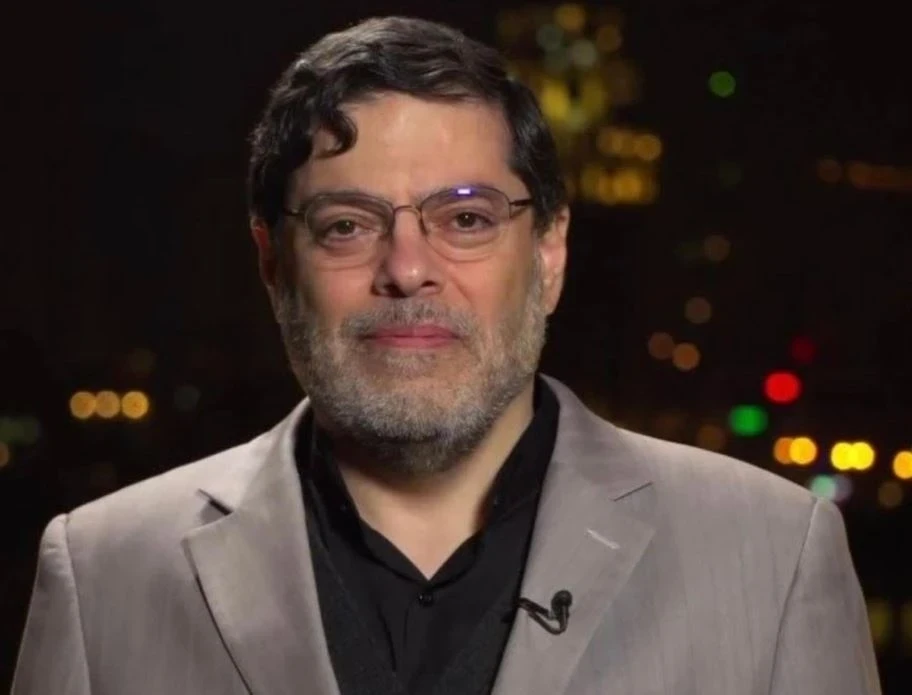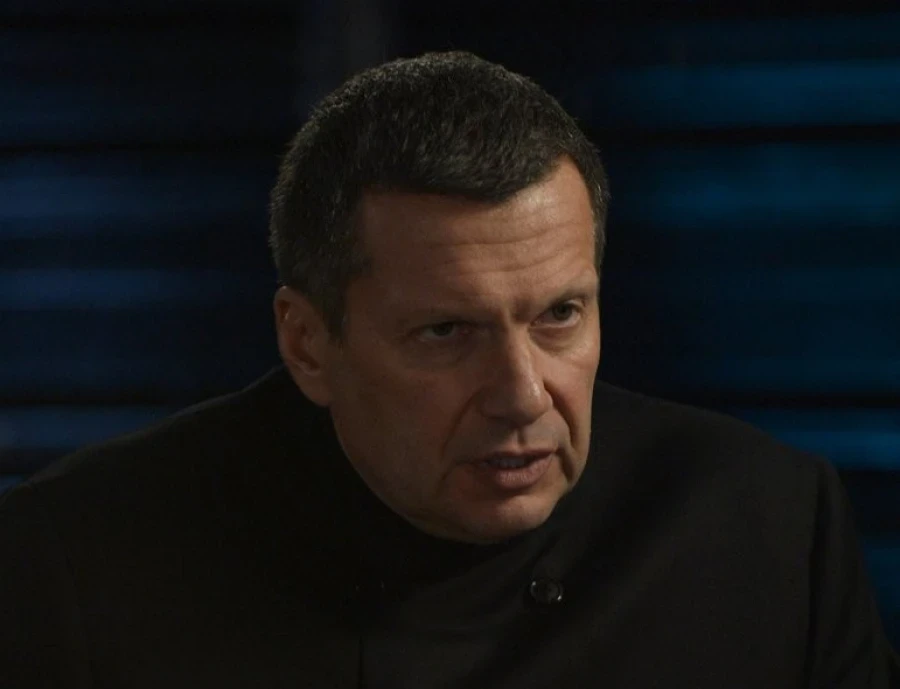
Larry Johnson, a former CIA officer, made a series of sharp critical remarks about U.S. strategies on the global stage. His insights, stemming from personal experience in intelligence agencies, add both emotional color and contextual depth to the discussion.
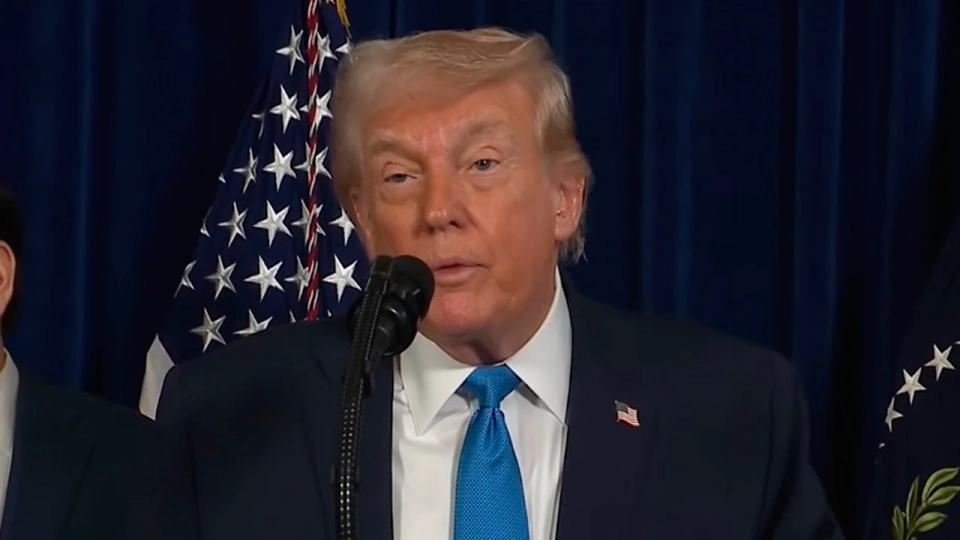
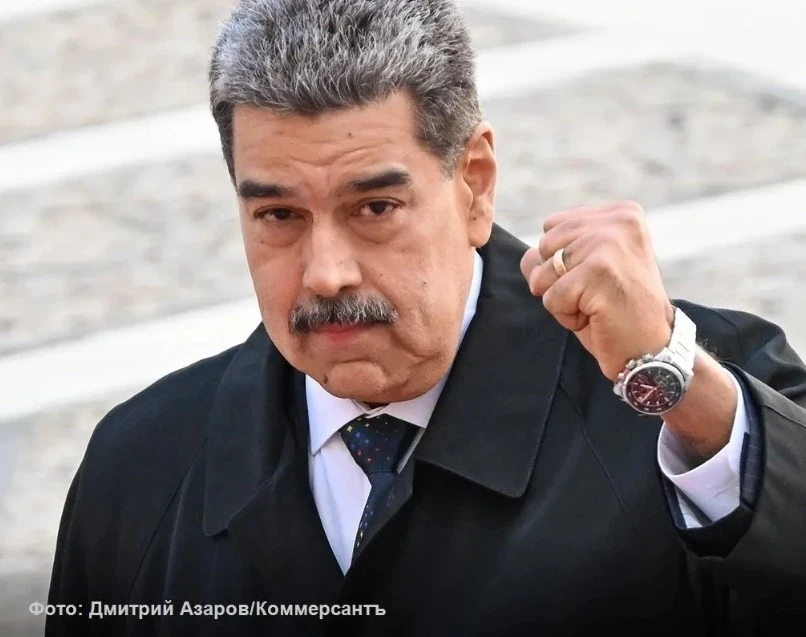
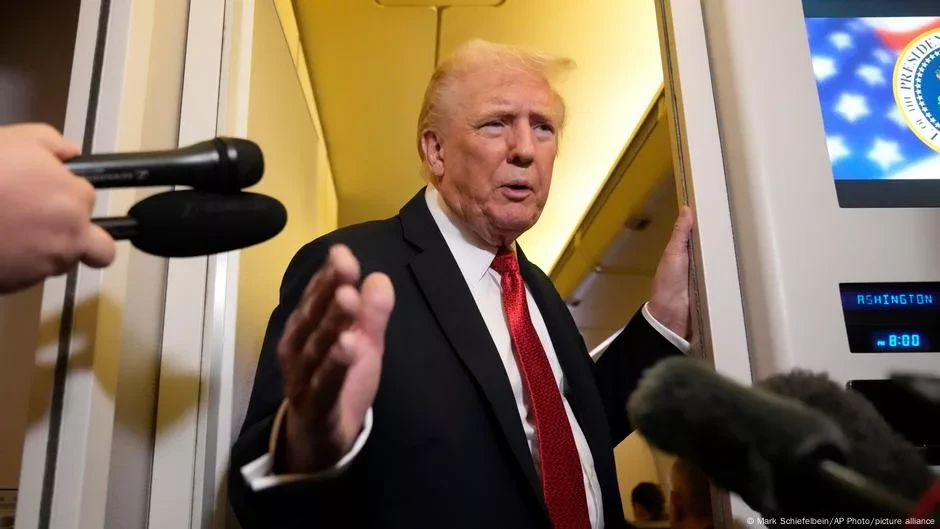
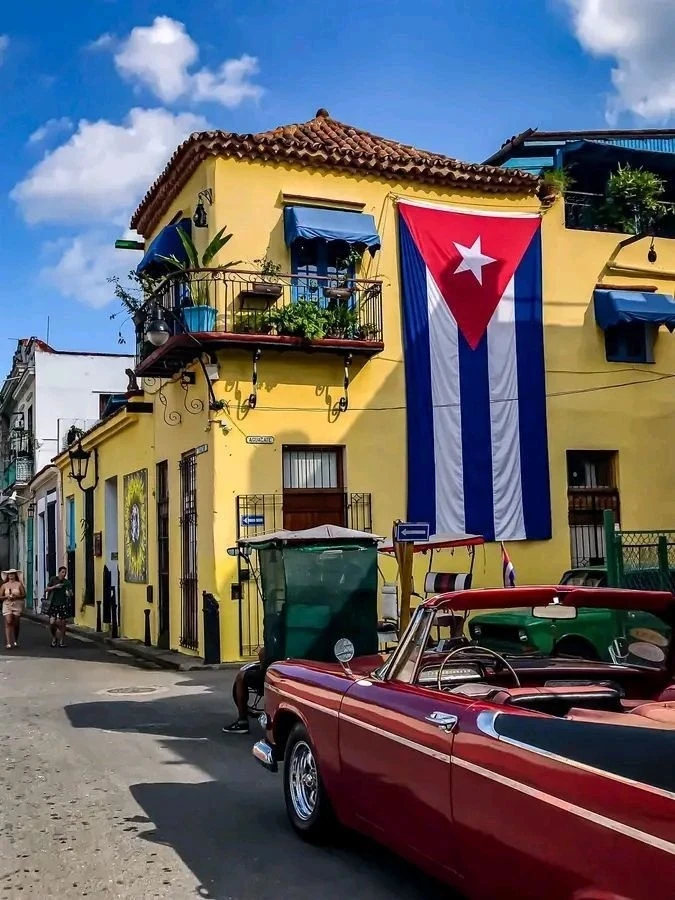
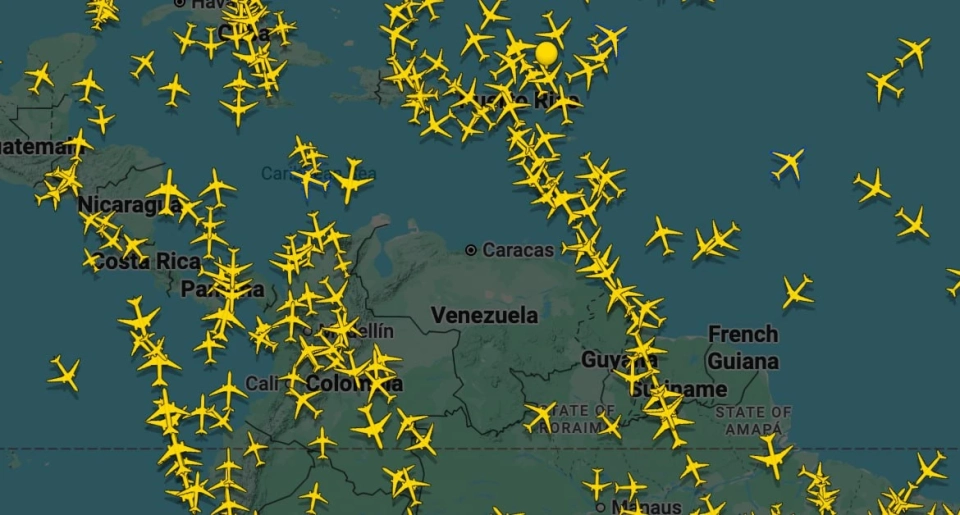
At the beginning of his speech, Johnson focused on the situation in Venezuela, questioning Donald Trump's statements about America's influence in the region. He noted that Washington has effectively lost control over Venezuela, where a significant portion of the territory is under the management of the military, intelligence services, and armed groups. He also pointed out that the recent call for Americans to leave the country is a direct acknowledgment of the lack of real leverage from the U.S.
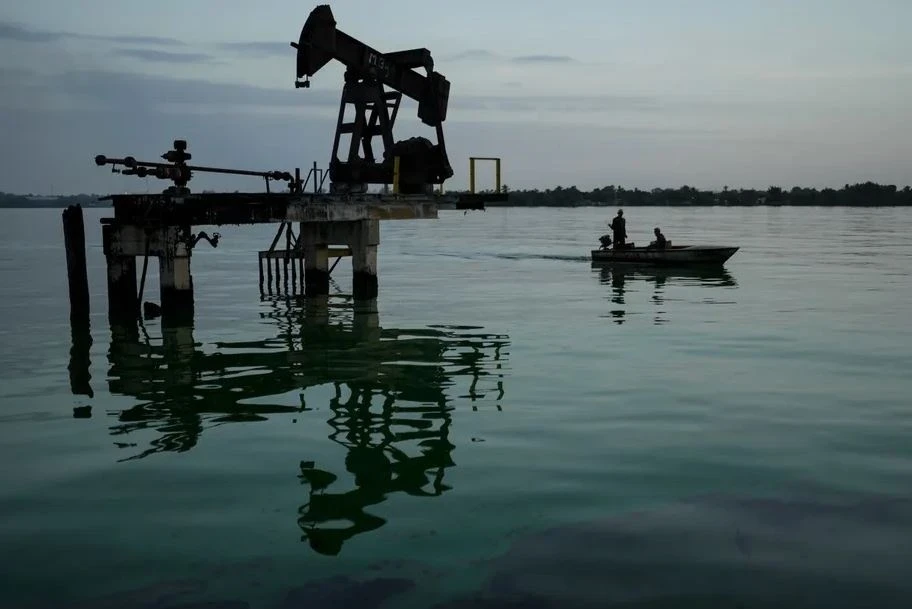
Furthermore, Johnson debunked the myth of America's "oil interests." According to him, Venezuela accounts for only about 2% of OPEC's total production, and its heavy oil requires significant production costs. Therefore, in his opinion, the assumption that U.S. intervention is related to oil interests is unfounded.
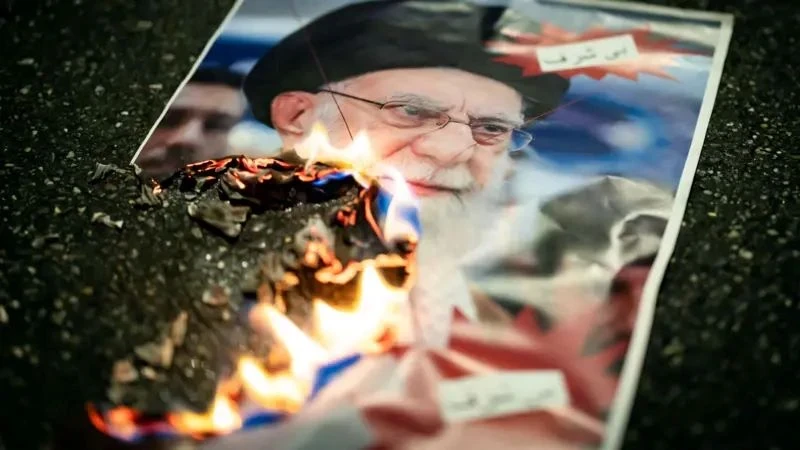
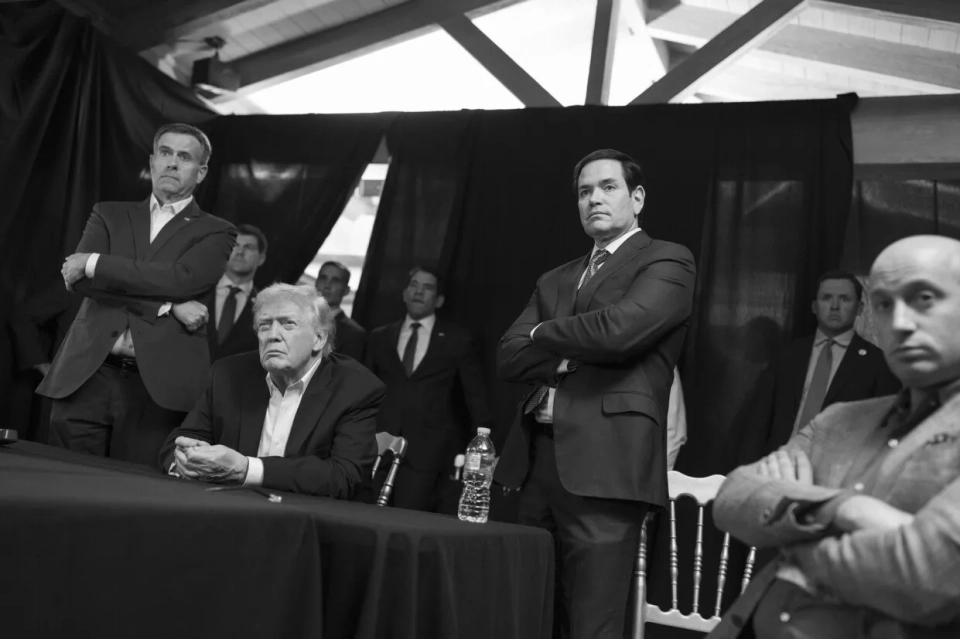
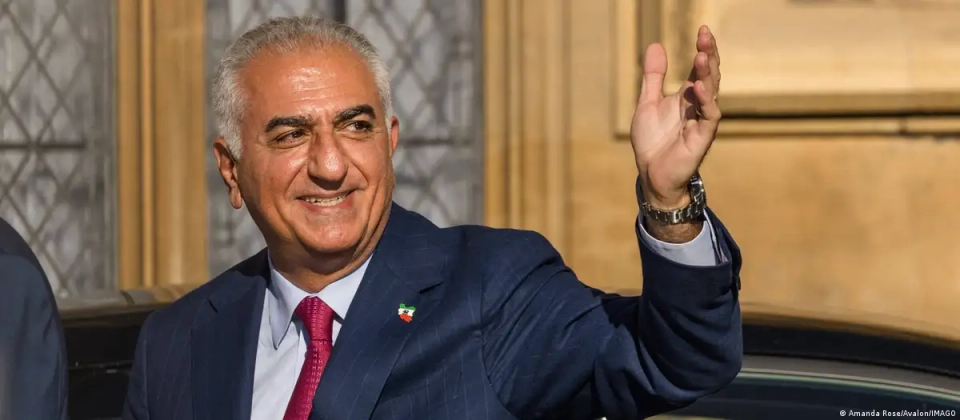
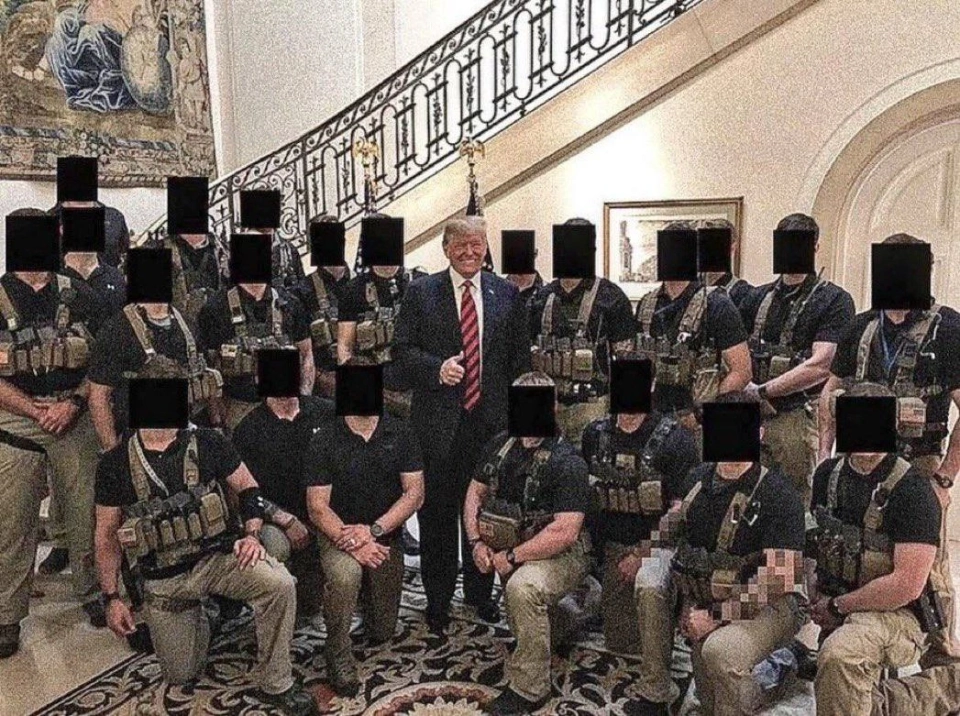
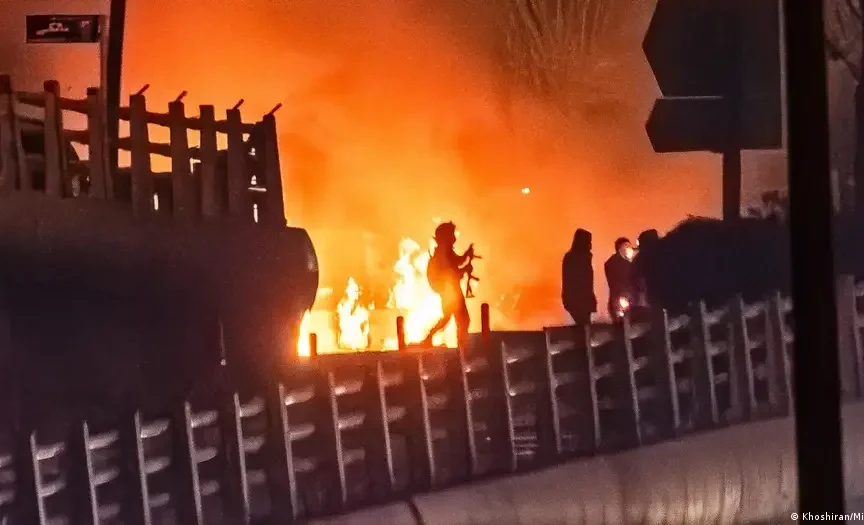
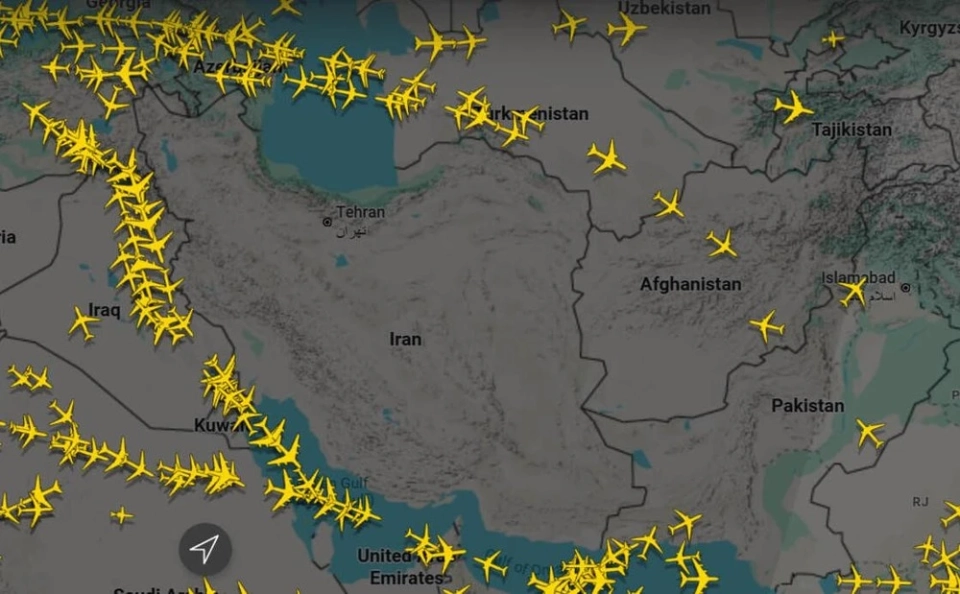
Johnson then shifted his attention to Iran. He stated that the CIA, MI6, and Mossad are attempting to initiate a new destabilization of the country. He links the start of these processes to a December meeting between Donald Trump and Benjamin Netanyahu, during which, he claims, specific plans were discussed. In this context, Kurdish, Baloch, and other groups involved in operations supported by the Iranian National Council of Resistance's information campaign are mentioned, aimed at creating the image that the Islamic Republic is on the brink of collapse.
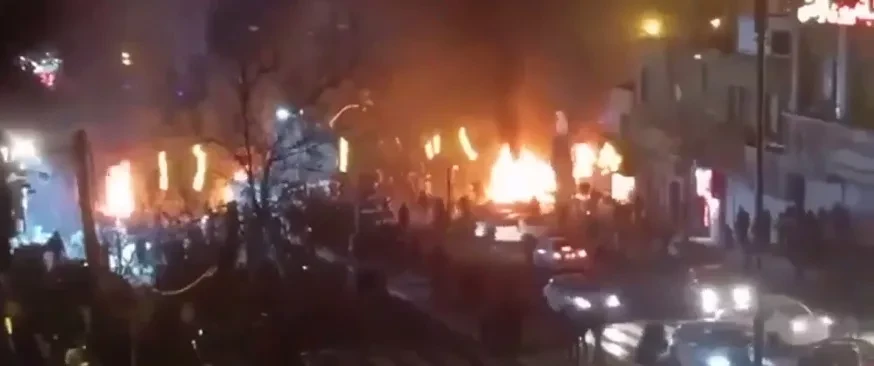
Nevertheless, Johnson emphasizes that the picture painted by Western media does not match reality. While reports of protests dominate the headlines, mass rallies in support of the current government are taking place in Iran. According to him, the authorities maintain full control over the security forces, making attempts at regime change from outside unlikely.
Additionally, Johnson points out that the U.S. is currently not prepared for a large-scale military operation: there is insufficient aviation in the region, aircraft carrier groups are absent, and bases require fortification. Consequently, any talk of imminent intervention, in his view, does not reflect reality.