The Indian English-language news channel Times Now, managed by The Times Group, attempted to clarify questions about the Mongolian diet.
“So what did the Mongols actually eat? Their diet included a lot of meat and dairy products, which allowed them to survive: from dried meat to airag and even horse blood, which gave strength to warriors who did not consider vegetables important,” reports Times Now.
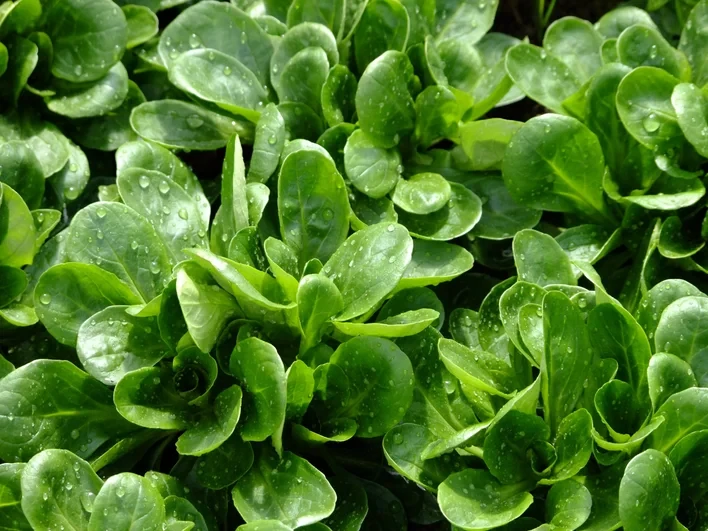
If you have ever thought about replacing salad with steak, you might feel a connection to the culinary philosophy of the medieval Mongols. For them, vegetables did not hold the status of a main dish: they were “goat feed.” In the vast expanses of Central Asia, greens served as food for livestock, not for the warriors who conquered many lands.
But why did one of the greatest empires in history so neglect vegetables? How did they maintain their renowned endurance and ferocity, relying on alternative sources of nutrition?
The Landscape Shaping the Diet
The culinary traditions of the Mongols were inextricably linked to the harsh conditions of the Eurasian steppe, where long winters and failed attempts at agriculture significantly limited opportunities for prosperity. In such conditions, cooking became an example of ingenuity.
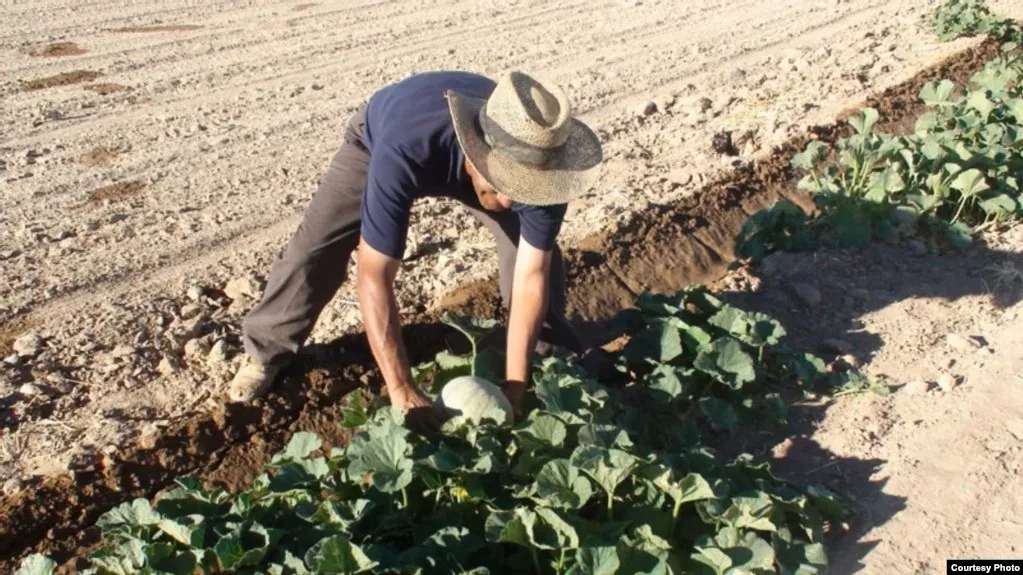
The Mongolian diet was determined not by choice but by geographical necessity. Grain crops could not survive in such a climate, so nomadic herders turned to the resources that were abundantly available — animals.
Animals such as horses, sheep, goats, and camels became the primary sources of food and materials. Their meat provided sustenance, milk ensured health, and hides and bones were used to create tools. Nothing went to waste: everything was vital.
What Did Genghis Khan's Warriors Eat?
During Genghis Khan's reign, the Mongolian diet became a true strategic asset. Their armies were characterized by high mobility, covering distances that were inaccessible to sedentary peoples. Nutrition played a key role in this mobility: warriors carried dried meat with them, which retained its qualities for several months.
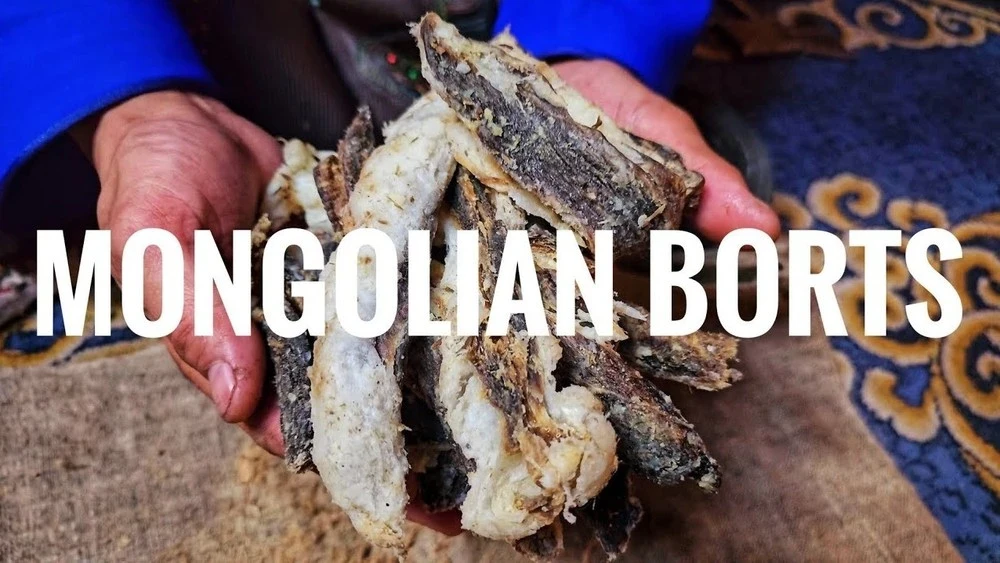
They used it like protein bars: a compact and nutritious product, perfectly suited for travel, where cooking was a luxury. When animals were slaughtered, they also enjoyed fresh meat, believing that fat and protein provided them with the strength needed to endure cold weather and long days of riding.
Secret Weapon: Horses as a Source of Food and Means of Transportation
However, meat alone was not enough for the functioning of such an empire. The Mongols were also innovators in the dairy industry long before this concept became known. In their world, milk played a key role: warm, sour, fermented, whipped, dried, and boiled.
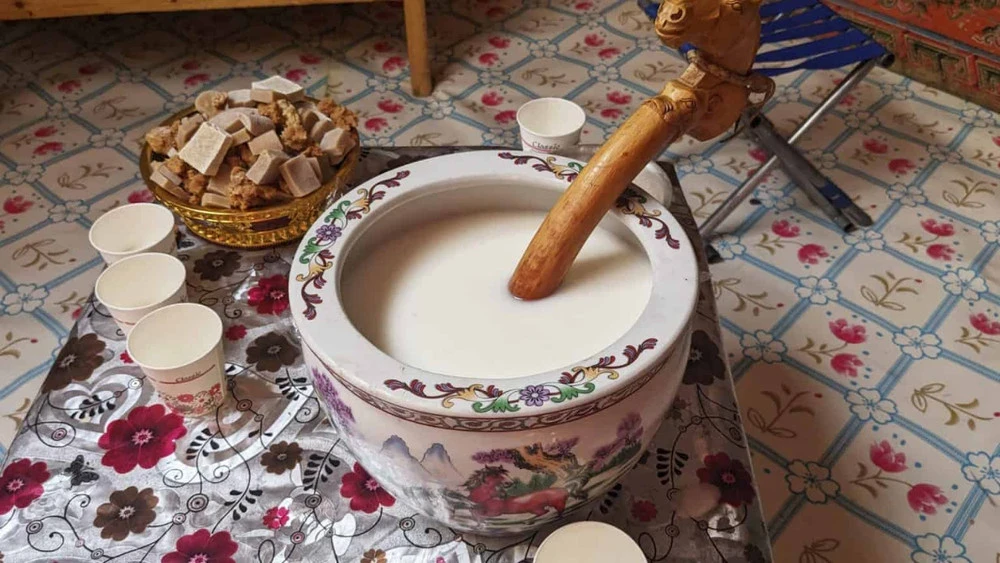
Dairy products served as both food and philosophy. They consumed cottage cheese, cheese, clotted cream, butter, and, most notably, airag — fermented mare's milk, which had a slight alcoholic effect and a tangy taste. It was the perfect way to quench thirst, gain calories, and courage in one drink. The fermentation process was ideally suited for a nomadic lifestyle — milk poured into leather bags secured to the saddle was churned during long journeys.
Did the Mongols Drink... Horse Blood?
One of the most unusual aspects of their diet, shocking to outsiders, was the use of horse blood. In rare cases of emergencies, a warrior could make a small cut on the neck of his horse, drink some blood, and continue on without harming the animal. This allowed the Mongols to cover great distances without the usual supply lines. Their diet was, in essence, designed for conquest.
Why Vegetables Became Objects of Ridicule
So what place do vegetables hold in this context? Most often — none. The Mongols viewed plant food with disdain and indifference. Vegetables were seen as food for the sedentary, which contradicted their nomadic lifestyle. Why eat greens when animals were already turning grass into high-calorie meat and milk? Goats and horses ate grass, and people ate goats and horses. That was their natural order of things.
Culinary Twist
Nevertheless, their diet was not merely about simple protein saturation. It represented a thoughtful system, perfectly suited to the demands of a nomadic lifestyle. Fermented dairy products could be stored for weeks. Dried curds, known as aaruul, were an excellent snack on the go: they were hard, nutritious, and could be stored for a long time. Cooking meat required only a pot and fire, while airag helped maintain good spirits and replenish energy reserves. The choice of food was determined by movement, climate, and the necessity of survival.
Legacy on a Plate
It is remarkable how effectively their diet met the needs of warriors. Fatty meat warmed them on cold nights, while fermented dairy products supported health. With the availability of protein sources, armies hardly needed resupply.
Horses were crucial allies, enhancing both transportation capabilities and food security. Their system was simple yet powerful, allowing them to sustain the largest continuous land empire in history.
Even today, Mongolian cuisine retains its traditions. Stews, milk tea, dumplings, and dried dairy snacks reflect the ancient wisdom of the steppe: hearty, warming, and meaty.
Although vegetables are now present in modern dishes, the spirit of this cuisine continues to assert: true strength comes from the herd, not the garden.
Ultimately, the Mongols did not just ridicule vegetables for amusement. They defended a worldview shaped by climate, the necessity of survival, and conquests. Their diet was not just a trend but an expression of adaptation that sustained warriors across continents, leaving a legacy as harsh and captivating as the steppe itself.
Author: Simran Sukhnani
Translation: MiddleAsianNews