UN Under-Secretary-General for Political Affairs Rosemary DiCarlo noted in her speech that one in five children in the world faces the consequences of wars and conflicts.
She also pointed out that the number of armed conflicts in the world has reached a record level not seen since World War II. According to the UN, the number of serious violations of children's rights increased by 25% from 2023 to 2024.
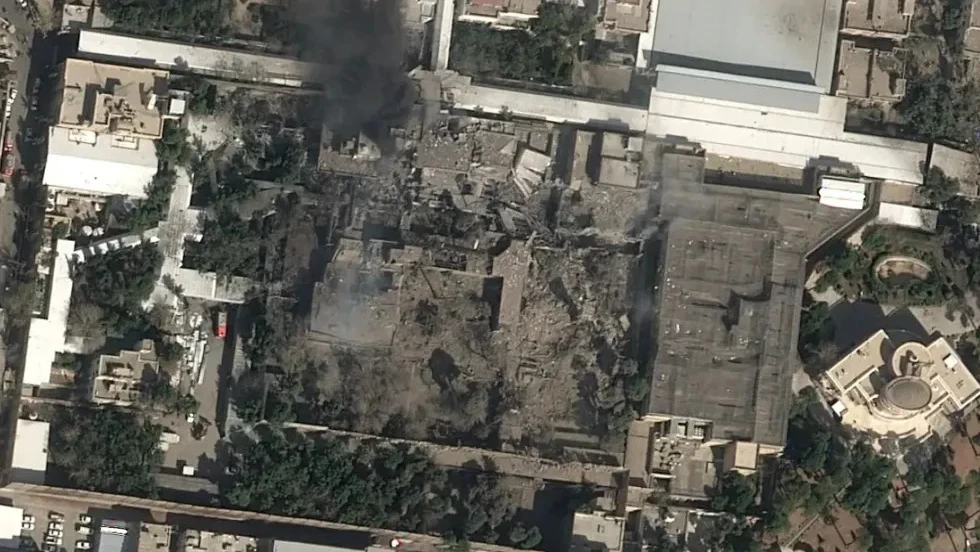
DiCarlo provided examples of schools in countries such as Israel, the UAE, Qatar, Bahrain, and Oman being closed and switched to remote learning due to military actions in the final days of the school year. Additionally, there were reports of children being killed as a result of a strike on an elementary school in the Iranian city of Minab.
Education as a Key to Salvation
In conditions of violence, schools become the only safe spaces. Education prevents recruitment, human trafficking, and exploitation, and also provides access to hygiene, psychosocial support, and other essential services.In 2024, the UN recorded 2,374 attacks on schools and medical facilities, with the highest number of attacks reported in Ukraine, Israel, the occupied Palestinian territories, and Haiti.
DiCarlo also reminded of Security Council Resolution 2601 (2021), which calls on parties to conflicts to immediately cease attacks on educational institutions, children, and their teachers, and to respect the right to education according to international humanitarian law.
She noted the efforts of the First Lady of the United States to draw attention to the issues faced by children in conflict situations, including her active involvement in reuniting Ukrainian children with their families.
Digital Technologies — A Path to Learning
In conditions of destroyed infrastructure and a lack of teachers, with 44 million educators missing in conflict zones, the use of digital technologies can become a vital resource for ensuring continuous learning.The UN representative cited examples of programs such as the "Student Passport," developed by UNICEF and Microsoft, which provides 10 million children in 47 countries access to a mobile educational platform.
The Vodafone Foundation, in collaboration with the UN Refugee Agency, is also working to provide access to digital educational content for displaced persons and teachers in the Democratic Republic of the Congo and South Sudan. In Afghanistan, UNESCO is applying digital technologies to organize home and community-based learning, where 2.2 million girls are excluded from the education system.
Risks in the Digital World
However, DiCarlo emphasized that digital technologies also carry risks. Children in conflict situations are particularly vulnerable to online threats such as exploitation, human trafficking, radicalization, and cyberbullying.She called for strengthening legal and political mechanisms to protect children's rights in the digital space in accordance with international law and emphasized the responsibility of technology companies for user safety, especially for youth.
Conflict Prevention — The Foundation of Protection
Decreased funding is also a concern: funding for education in emergencies has decreased by 24%, despite growing needs. DiCarlo stressed that the most effective way to protect children is to prevent and end wars.Creating peace is the primary task of the United Nations. We must work together to achieve this goal.
Melania Trump: Education and Technology as a Guarantee of Peace
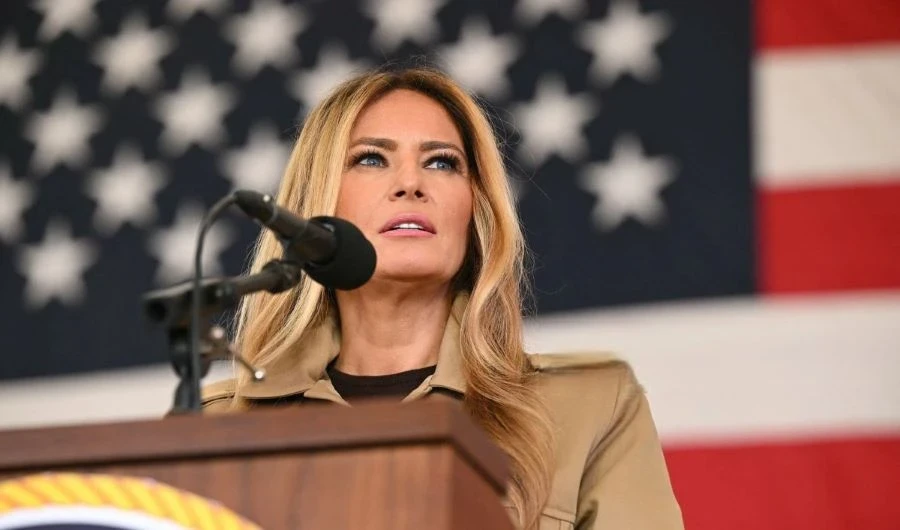
Speaking at the UN Security Council meeting, Melania Trump urged world leaders to focus on education and access to technology as fundamental factors for achieving lasting peace and global security.At the beginning of her speech, she expressed condolences to the families who have lost loved ones in conflicts and stated her support for children affected by war.
The United States supports all children around the world.She noted that sustainable peace depends on knowledge and mutual understanding, warning that societies that restrict access to education risk facing instability and conflict. Melania Trump emphasized that education is a fundamental human right and that when children are deprived of the opportunity to learn, society pays a high price for it.
She also highlighted the significance of artificial intelligence and digital access in democratizing knowledge, urging countries to bridge the technological gap.
“The path to peace lies in empowering our children through education and technology,” she concluded.
Photo on the main page: UN / M. Elias (Melania Trump chairs the UN Security Council meeting).