// Turmush
Since the beginning of March, the prices of key oil products on the St. Petersburg exchange have been increasing, which is linked to negative news on the international stage. In Russia, there is currently no increase in spring demand for oil products. This was reported by Interfax.
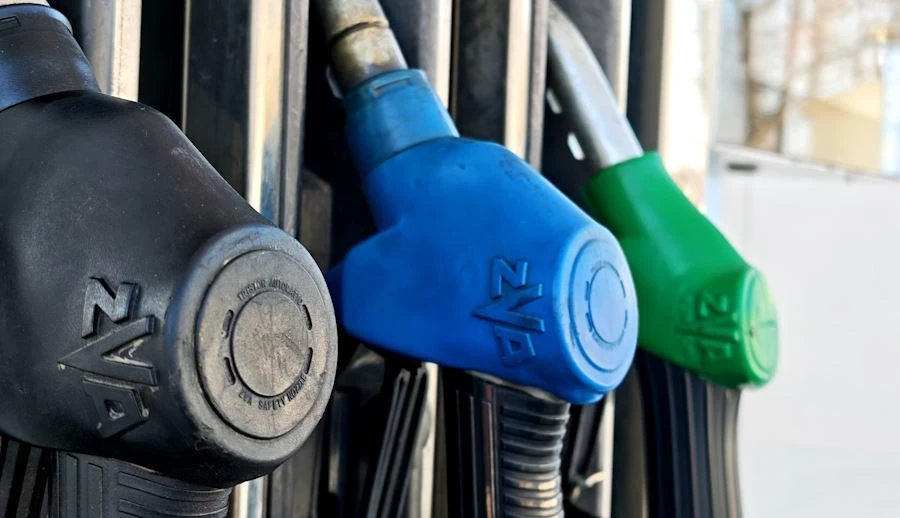
According to the St. Petersburg exchange, on March 12, the price of AI-92 gasoline, which is used to calculate the fuel damping mechanism, increased by 6.5% compared to March 2, reaching 64,108 rubles per ton. AI-95 gasoline rose by 7%, reaching 67,914 rubles per ton. Summer diesel fuel increased in price by 10%, amounting to 62,359 rubles per ton, while seasonal diesel fuel rose by 12%, to 62,698 rubles per ton.
According to fuel market specialists, there is currently no increase in demand for oil products in the country. This is related to weather conditions—farmers are delaying their work due to snow, and the population is not showing activity at gas stations.
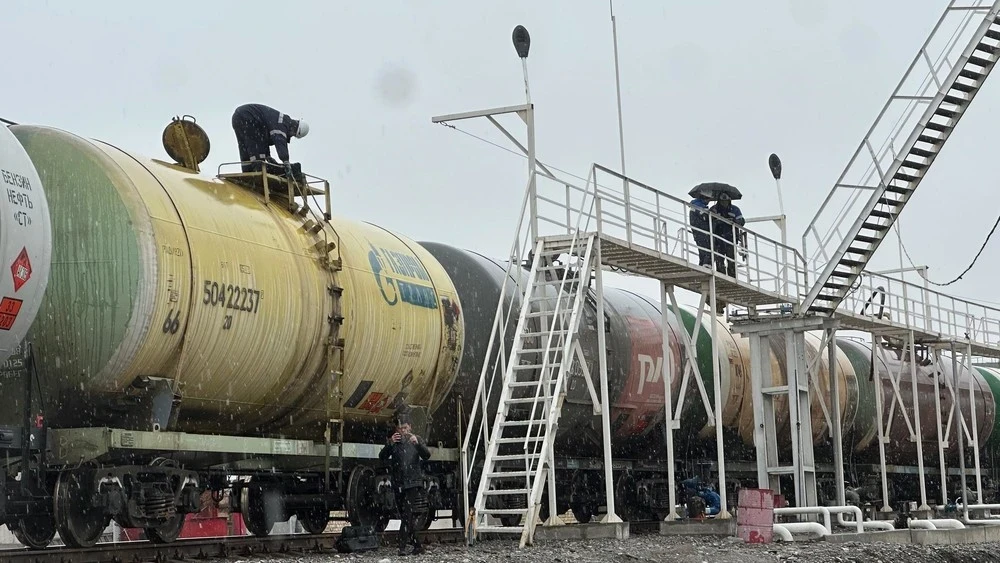
Thus, experts conclude that the increase in fuel prices on the exchange is due to volatility in international energy resource markets: global prices for oil products are rising, and the export of Russian fuel is increasing. In the near future, the spring sowing season will begin in Russia, along with scheduled repairs at oil refineries, which may lead to new spikes in gasoline and diesel prices.
At the end of February, Deputy Prime Minister Alexander Novak emphasized that the fuel situation in Russia remains stable, stating: "Production volumes allow us not only to meet current demand but also to accumulate reserves for increasing volumes before the summer season." He also reminded that on January 31, the government lifted the ban on gasoline exports for oil companies to avoid overloading capacities. For non-producers, the ban on the export of gasoline, diesel, and other types of fuel has been extended until the end of July.
The seasonal increase in the consumption of oil products in Russia begins at the end of March and peaks in the summer. In the spring of 2025, the increase in fuel demand on the exchange began in the second half of March against the backdrop of warm weather and the start of repairs at oil refineries.
Russia has implemented a price damping mechanism for fuel, designed to protect domestic prices from sharp fluctuations in international markets. The budget pays the damping subsidy to oil companies so they can keep domestic fuel prices stable amid high export netbacks. If the difference between the export price and the legislative indicative domestic price is positive, the state compensates oil producers. Otherwise, when the difference is negative, oil producers are required to pay into the budget.