Markets and shops in Kyrgyzstan are witnessing a return to old payment methods. Customers, who have become accustomed to the convenience of cashless payments through services like O!Money and MegaPay, are now faced with the demand: "Cash only!". A correspondent from VB.KG, who visited several retail outlets, noted that hopes for the digitalization of the country's economy are encountering serious challenges.
According to information, the reason for the situation stems from measures taken by the State Tax Service (GNS). Since 2026, the rules regarding business have changed, and the use of electronic wallets registered to individuals or their relatives has been strictly prohibited. Serious fines have been imposed for transfers to personal accounts of sellers: 20,000 soms for individual entrepreneurs and 65,000 soms for legal entities. Moreover, tax officials have been granted the right to directly deduct debts from electronic accounts.
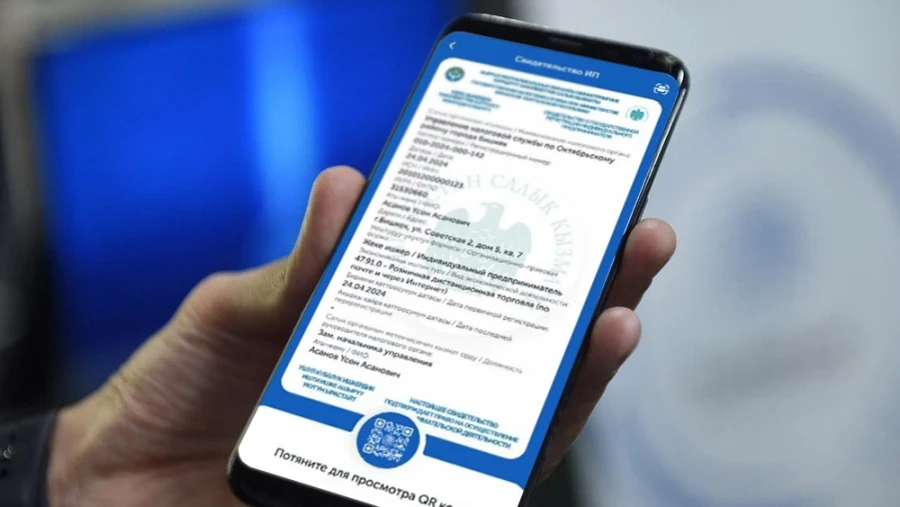
Many entrepreneurs have been operating for years by accepting payments to their personal accounts, which the GNS views as "going underground" and concealing real income. The state takes a firm stance: each QR code or electronic wallet must belong to individual entrepreneurs or legal entities. Now, for proper tax payments, business owners must use special codes from their personal account on Salyk.kg.
The State Tax Service has already begun active monitoring of violators. According to inspection data, many traders continue to use the personal accounts of their relatives. The GNS warns that the use of wallets registered to "third parties" is unacceptable, as it not only deprives the budget of taxes but also creates unequal conditions for honest entrepreneurs.
While the state fights against the shadow economy, ordinary citizens find themselves in a difficult situation. Instead of convenient electronic payments, they are forced to revert to cash.
The question of whether this "cash period" will be a temporary confusion or if we will be stuck in lines at ATMs for a long time depends on the speed of legalizing digital payments by small businesses. At present, it is clear that the push for digitalization is facing strict tax control.