The Ministry of Energy offers the possibility of settlements with foreign investors in foreign currency to stimulate investments in the energy sector
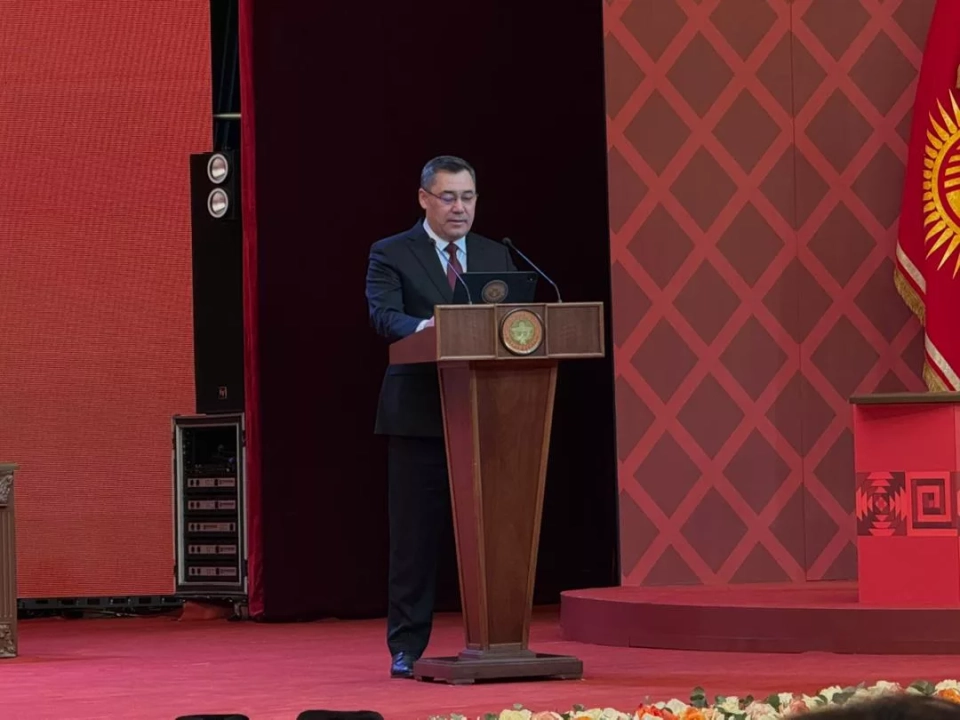
In Kyrgyzstan, there is an annual increase in electricity generation; however, the demand for it is growing at an even faster pace. This was stated by Deputy Minister of Energy Altynbek Rysbekov at a meeting of the committee of the Jogorku Kenesh, which deals with industrial policy, transport, and the fuel and energy complex.
According to Rysbekov, approximately 14.5 billion kilowatt-hours of electricity are currently produced in the country, while consumption reaches almost 20 billion kWh. Thus, there is a deficit of 3.3–4 billion kWh. In 2025, Kyrgyzstan will have to import 4.5 billion kWh of electricity from Turkmenistan, Uzbekistan, Kazakhstan, and Russia.
While electricity production is growing, demand is increasing even faster due to population growth, economic activity, and the emergence of new facilities.
In response to this situation, the Ministry of Energy has submitted a draft law to the Jogorku Kenesh, which proposes the possibility of settlements in foreign currency when implementing investment projects and public-private partnerships in the energy sector.
Currently, the tariffs at which the state purchases electricity from investors who have built renewable energy facilities are set by the Cabinet of Ministers in the national currency and do not depend on the exchange rate of foreign currencies. The only exceptions are agreements for the export and import of electricity.
According to the new draft law, it is proposed to allow the establishment of prices in foreign currency, which, according to the Ministry of Energy, should positively impact attracting foreign investments.
Additionally, at the meeting, local investors expressed a desire to receive the same conditions as foreign companies.
It was also noted that currently, the state purchases electricity from investors at a tariff of 4.2 soms per 1 kilowatt-hour. According to the draft law, this tariff will be in effect for 15 years, after which it is expected to be reviewed.
Photo www