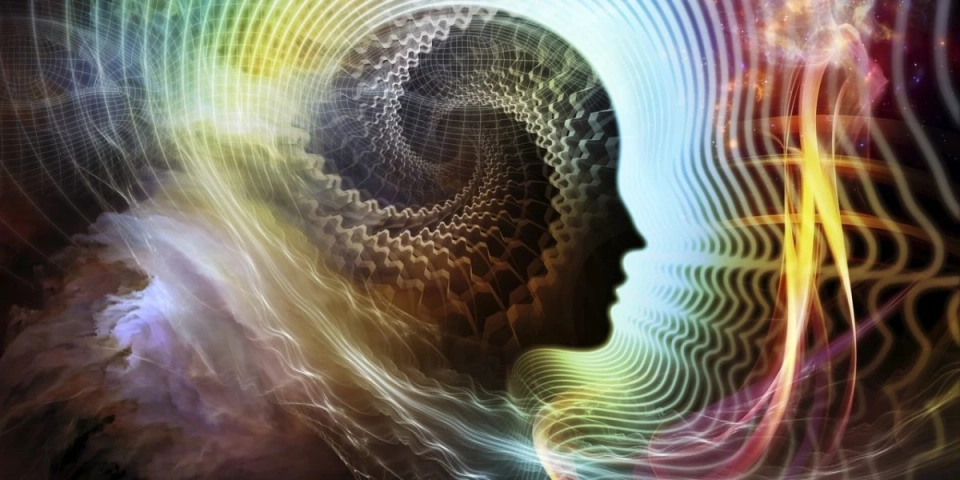
Scientist Akbota Tleuberdiova from the University of Toronto (Canada) has presented a bold hypothesis about the nature of consciousness. She claims that consciousness is not a result of evolution, but rather an inherent property of life that was present in the first cell—the common ancestor of all living organisms on Earth. This discovery could significantly change our understanding of life, suggesting that all living beings, from bacteria to animals, possess some form of consciousness.
The study, published in the journal Frontiers of Psychology, is based on the concept of universal biological consciousness. This theory posits that consciousness has been transmitted through billions of years of cell division from the very first cellular organism. Thus, every living being, including humans, carries this ancient legacy, and consciousness does not arise spontaneously but is passed down from preceding forms of life.
The theory of "absolute biological consciousness" challenges traditional views by placing consciousness at the beginning of the evolutionary process, as noted by Daily Neuron. The internal awareness of an organism, according to this approach, governs its genetic and physical changes, rather than the other way around. In other words, function precedes structure.
The author suggests rethinking the well-known aphorism by Descartes, "I think, therefore I am." In her opinion, "I think" implies not just an internal dialogue, but the very fundamental capacity for consciousness. Verbal thought serves merely as a tool for expressing consciousness, not its source.
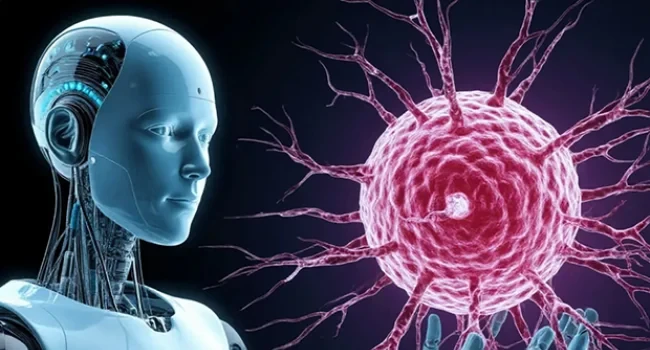
This theory could also have a significant impact on the field of artificial intelligence. If consciousness is exclusively a property of biological life with deep roots in its origin, the creation of truly conscious AI becomes extremely unlikely. Although AI systems can process information and mimic communication, they lack the subjective inner experience known as qualia.
From a medical perspective, such a concept opens new horizons. Diseases like cancer can be viewed as a failure in cellular bioscience, which may lead to the development of new therapeutic approaches based on understanding the "awareness" of cells regarding their functions and boundaries.
Furthermore, this theory changes the approach to ethical and safety aspects of artificial intelligence, allowing it to be seen as a powerful tool without consciousness. This shifts the focus from concerns about a potential machine uprising to questions of responsible oversight and ethical application of technologies that will never truly be alive.