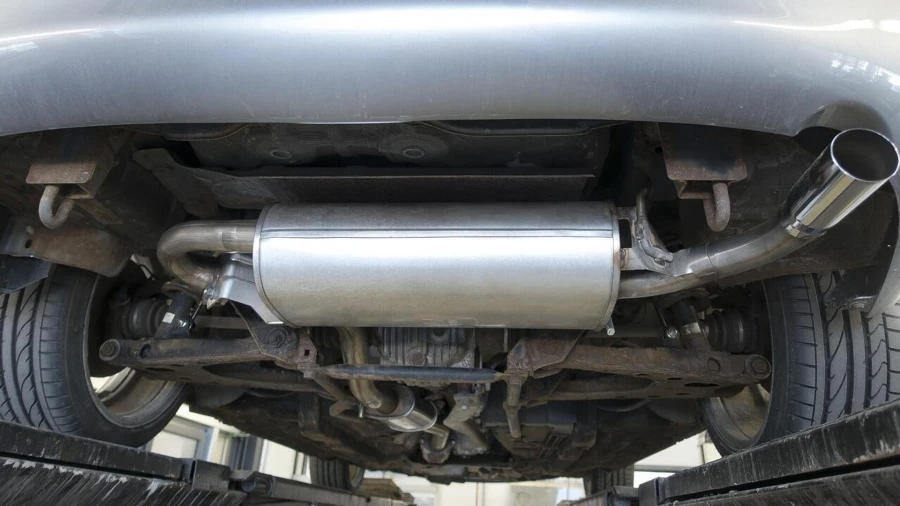
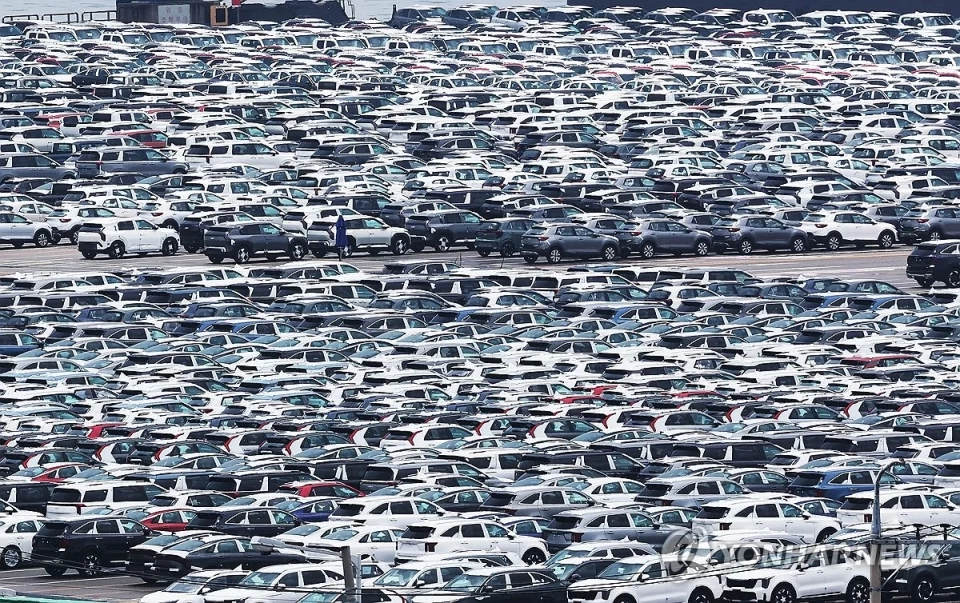
The rise in the number of accidents resulting in total loss of vehicles is not linked to a decline in driver skills. According to a new report, automotive technologies are becoming increasingly complex, and the age of vehicles in the fleet affects accident statistics, altering the traditional consequences of crashes.
The annual "Crash Course" report from CCC notes that the number of cases where vehicles are declared "total losses" is on the rise. This is related to long-term changes in both the design of the vehicles themselves and consumer behavior.
As a result, nearly 25% of vehicles involved in accidents are deemed irreparable, and this figure continues to grow. This is the main conclusion of the study by CCC, which collects data on body repairs and insurance payouts.
The frequency of total loss cases has increased from 22.1% in 2024 to 22.8% in 2025, representing a rise of 0.7 percentage points. This increase is not related to driver errors or issues with autonomous driving systems.
The increase from last year for the third quarter was nearly 1%. If the situation continues to develop in this manner, 2025 could become a record year for the number of written-off vehicles. Interestingly, over 72% of total loss cases pertain to vehicles that are seven years old or more, making the aging vehicle fleet in the U.S. an important factor, though not the only one.
New technologies — new problems
Modern Advanced Driver Assistance Systems (ADAS) and new electronics complicate the repair process, making it more costly. Previously, minor accidents could be resolved with a bumper replacement, but now bumpers are integrated with radars and ultrasonic sensors, significantly increasing repair costs.
Additionally, windshields have also become more technologically advanced, equipped with rain sensors and other systems. Tariffs and supply chain disruptions have made the cost of parts unpredictable, while a decrease in minor insurance claims has led to an increase in the proportion of total loss cases.
Even vehicles that are not written off contribute to rising insurance premiums, as their repairs have become more expensive. By the end of the third quarter of 2025, the average repair cost rose from $4,700 to $4,768. Medical payout expenses have also increased, as injuries are being reported more frequently, and costly treatments are required at earlier stages.
Under Direct Repair Programs (DRP), nearly 88% of estimates now include diagnostic scanning, and about 36% of cases require system calibration, which is critical for the operation of ADAS. These factors increase repair time, rental car expenses, and create additional pressure on insurance companies.
Losses affect all market participants
The situation with high repair costs impacts not only drivers but also dealers, insurance companies, and service centers, all of which face the consequences of the "domino effect" from expensive repairs. None of them are satisfied with the direction in which the market is moving.
Every written-off vehicle forces the owner to seek a replacement within a limited budget and rising insurance premiums, prompting the market to focus on affordable used cars.