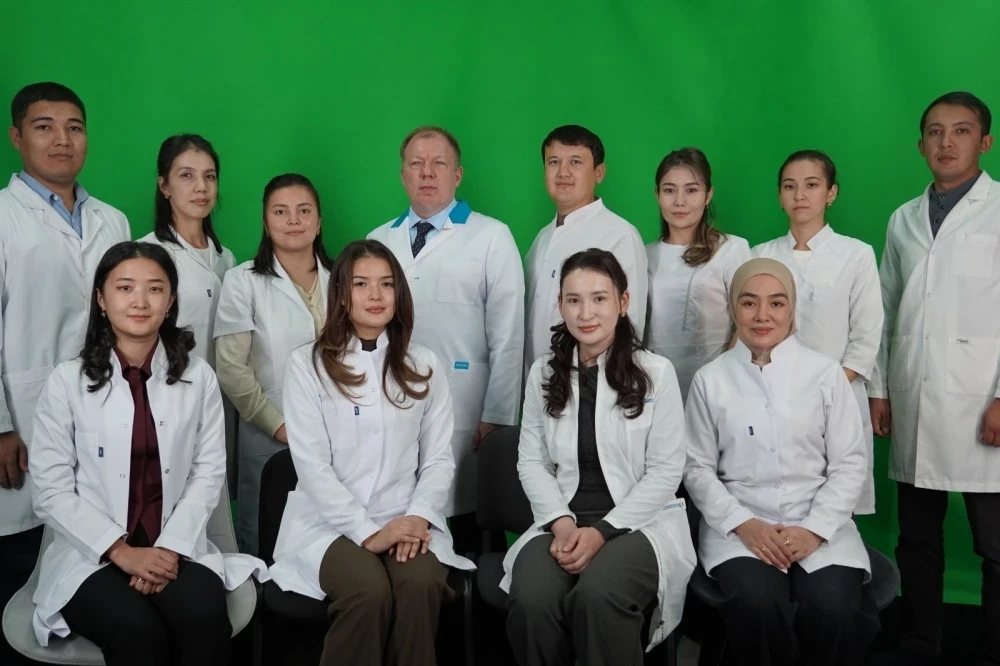
According to data from the Bishkek Health Strengthening Center, among the factors contributing to the development of prostatitis, one can highlight previous diseases of the urinary system, as well as chronic inflammatory processes caused by various microorganisms, including viruses and bacteria.
The likelihood of developing urinary system diseases increases due to:
- hypothermia;
- injuries in the pelvic area;
- urolithiasis;
- multiple sexual partners;
- improper nutrition, including excessive consumption of spicy, sour, and salty foods;
- alcohol dependence;
- insufficient fluid intake in the diet;
- irregular urination;
- chronic inflammatory diseases;
- sedentary lifestyle.
In the early stages, prostatitis often occurs without pronounced symptoms or with minor signs.
Read on the topic Infertility, impotence, cancer - a urologist on men's health
At the onset of the disease, painful and difficult urination, as well as frequent nighttime urges to empty the bladder, may be observed. Later, pain occurs in the area between the legs, above the pubic bone, and in the anal area, especially during defecation. Pain may radiate to the sacrum, penis, and testicles, and there may also be disturbances in sexual function and issues with ejaculation.
“Prostatitis requires mandatory treatment and constant monitoring. If the disease is not treated or is neglected, it can lead to serious complications, including inflammation of the seminal vesicles, testicles, and appendages, sclerosis of the prostate gland, infertility, adenoma, and other problems,” warn doctors.