Former Prime Minister noted that the population has a record amount of funds.
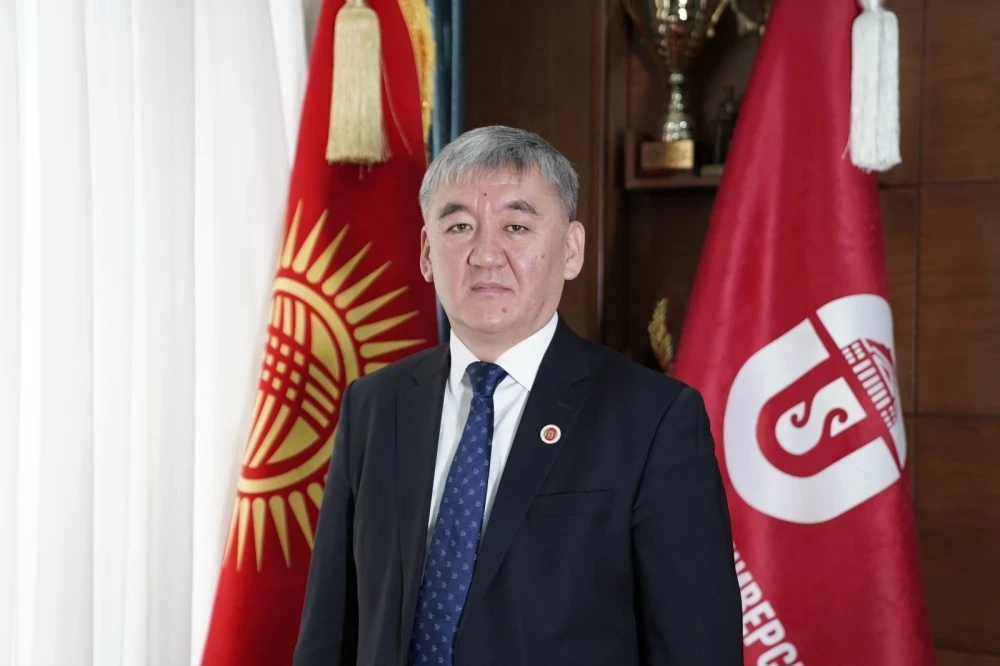
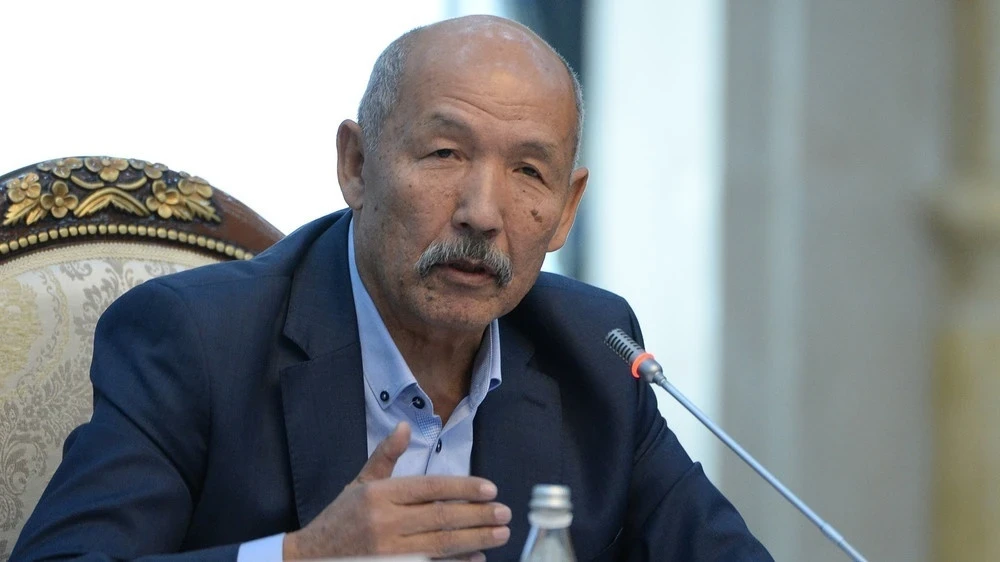
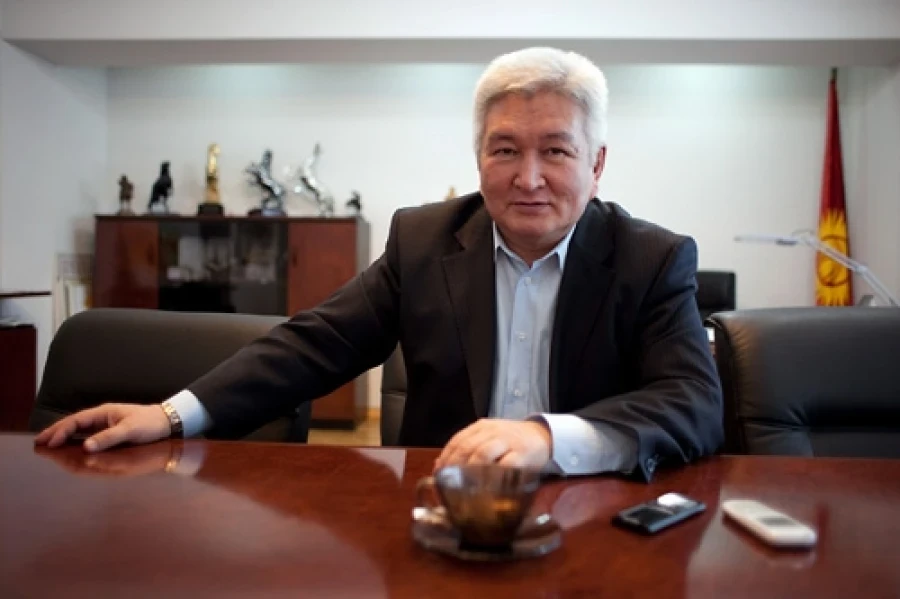
Felix Kulov, the former Prime Minister, proposed an initiative to attract financial resources from citizens for the implementation of the China-Kyrgyzstan-Uzbekistan railway project, information about which he posted on social media.
Kulov emphasized that this is one of the most significant infrastructure projects for Kyrgyzstan, which provides the country with the opportunity to become a key transit hub between the East and the West.
The total cost of this project is approximately 4.7 billion US dollars, and the construction period, which was initially planned for 6 years, is expected to be reduced to 4 years.
At the same time, Kyrgyzstan's share in the project will be 24.5%.
As part of his initiative, Kulov proposed to allocate part of this share — about 30% — for citizens, which will allow them to purchase named shares of the project.
If the share is distributed among the population, the basic package of shares will cost each adult approximately 4-5 thousand soms, with the possibility of payment in equal parts over 4-6 years, which amounts to about 60-90 soms monthly.
This financial burden will be manageable for most citizens. It is important to note that the population currently has a record amount of funds — over 300 billion soms.
This model of attracting funds will allow the government to:
- reduce dependence on external borrowing;
- lower the debt burden;
- attract domestic capital;
- increase economic sovereignty.
Instead of paying interest to foreign creditors, the government will be able to pay dividends to its citizens. If the railway becomes a strategically important route, the return can vary from 15 to 25% per annum.
This will lead to:
- regular dividend payments;
- an increase in asset value;
- protection against inflation;
- the formation of long-term capital for families.
Certain conditions are provided:
- shares must be registered;
- they cannot be freely sold on the market;
- they can be inherited;
- buyback is possible only by the state.
This mechanism will prevent speculation and concentration of shares in the hands of a limited number of people. Every citizen of Kyrgyzstan will be able to become a co-owner of the transit railway corridor, which will serve the country for decades.
Similar models of involving the population have been used in Norway to accumulate national wealth for future generations, as well as in Singapore through state investment funds.
Kulov expressed hope that Kyrgyzstan will be able to create its own model, adapted to local realities. The main goal is not just to build the road, but to make the people its co-owners, so that dividends go not only to the budget but also to every family, and so that this asset is passed on to the next generation, uniting the country around strategic projects.
This proposal is open for discussion, and Kulov is ready to listen to the opinions of economists, lawyers, businessmen, and concerned citizens.
"If we want to build a common future, let's do it together," he concluded.
photo www