According to the foundation, Kyrgyzstan, which ranks fourth in area in the region, faces numerous ecological problems similar to those experienced by its neighbors. In Bishkek, there are serious air pollution issues; the city's residents suffer from smog, hazardous waste accumulates in the republic, and glaciers continue to melt, leading to inefficient use of water resources and ecosystem degradation. The risk of natural disasters is also increasing.
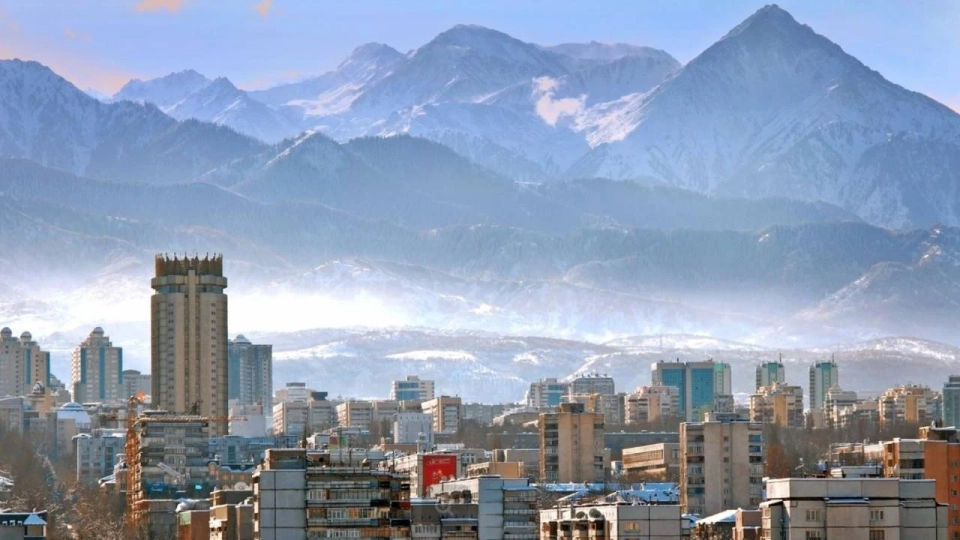
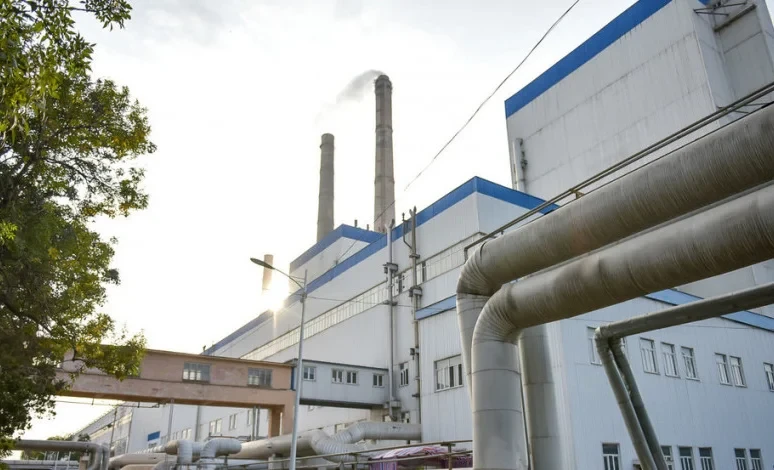
In winter, Bishkek often ranks among the cities with the highest levels of air pollution in the world. The reasons for this phenomenon are varied: unfavorable geographical location, the use of coal in the private sector (which accounts for over 60% of emissions), the operation of thermal power plants, and the increasing number of vehicles, which leads to a rise in exhaust emissions.
One of the most pressing issues in the country is waste generated during production and daily activities. Kyrgyzstan has 92 tailings storage facilities containing over 250 million cubic meters of toxic and radioactive waste that pose a threat to the ecology and groundwater. Additionally, the country has an inefficient waste collection and recycling system, and landfills for solid household waste, such as those in Bishkek, are overflowing and do not meet environmental standards.
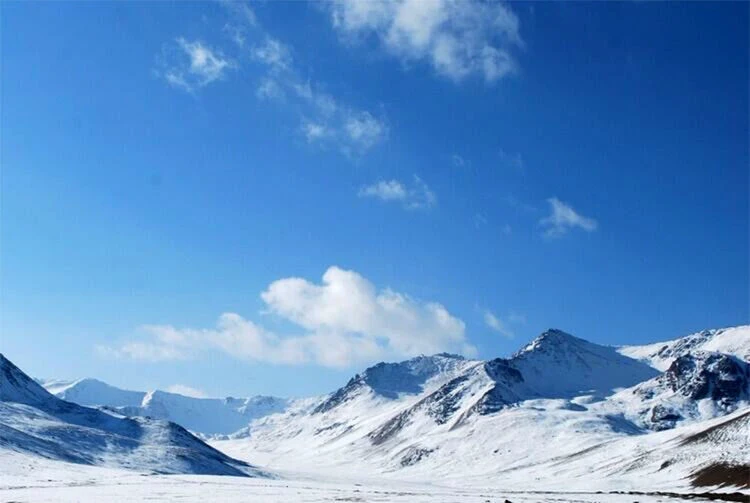
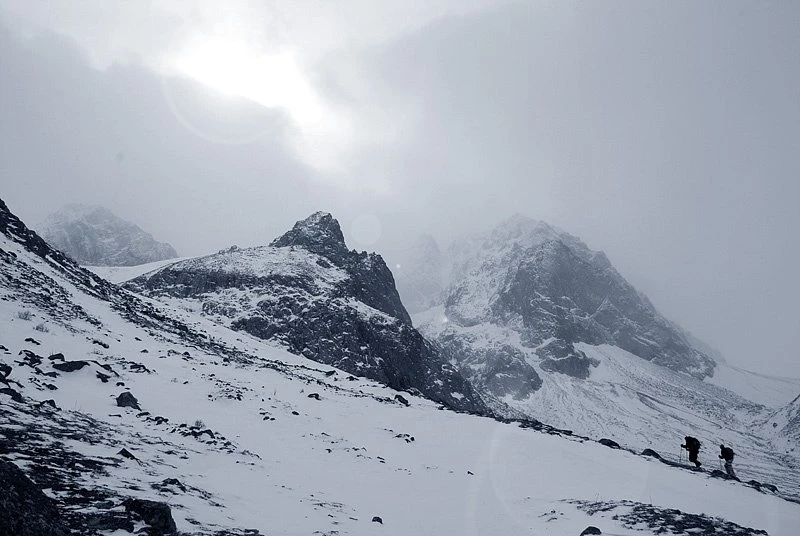
The state of water resources is particularly concerning. Global warming leads to glacier melting, while water bodies are contaminated by industrial and agricultural runoff, and wastewater treatment facilities in the republic are in a deplorable state.
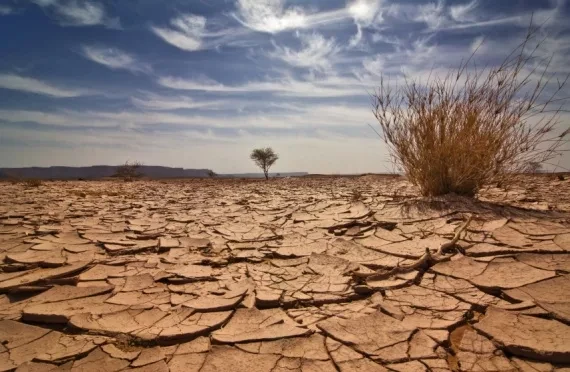
Ecosystem degradation is also occurring due to unbalanced use of pastures, deforestation, soil erosion, and desertification, which results in biodiversity loss and increases the likelihood of natural disasters.
Kyrgyzstan is at risk of natural disasters such as earthquakes, landslides, and floods. Climate change in recent years has led to more frequent mudflows, hail, frosts, and droughts, negatively impacting the agricultural sector. The summer heat of 2025 had a significant effect on the economy, resulting in a 14.2% decrease in grain yields.
Economic difficulties limit the government's ability to fully finance environmental protection measures.
From April 22 to 24, 2026, a Regional Ecological Summit will be held in Astana, where the problems of Central Asian countries and possible solutions will be discussed.