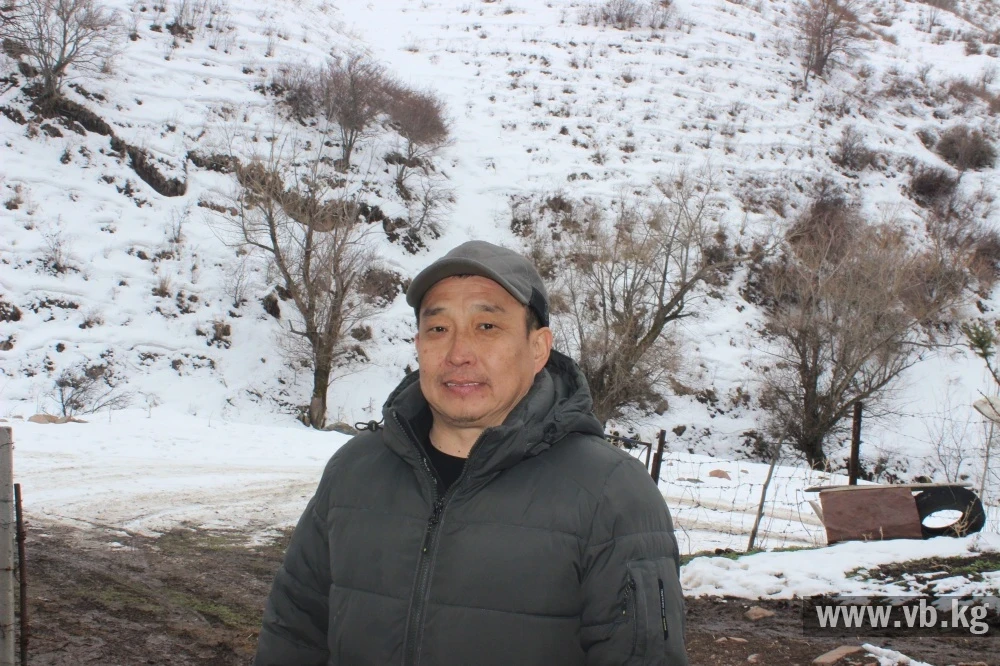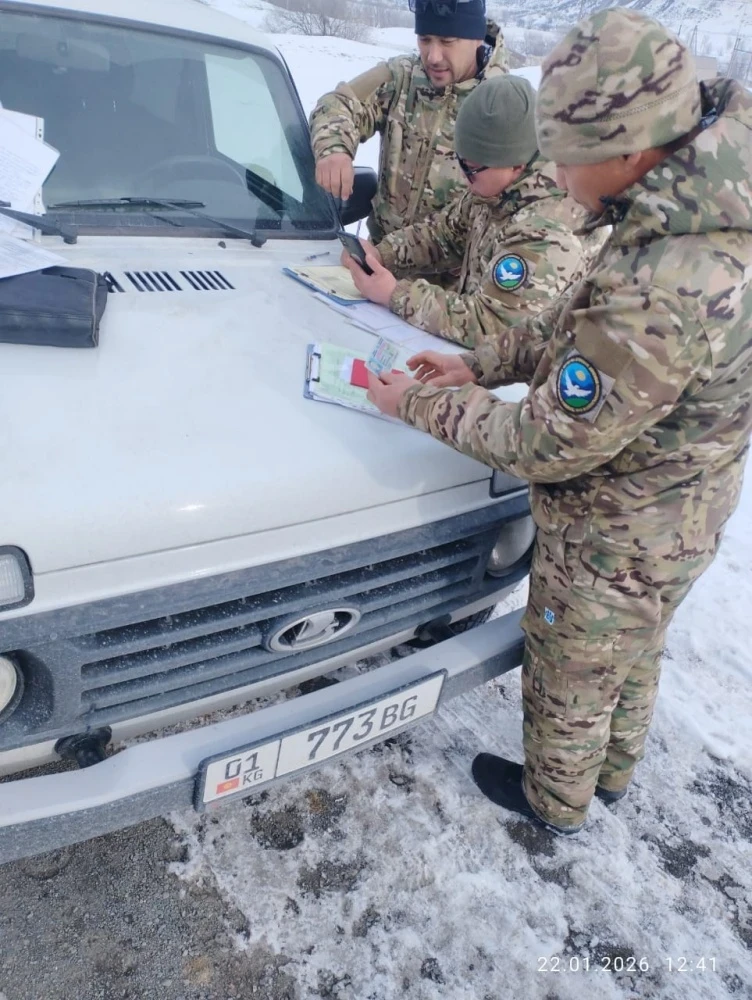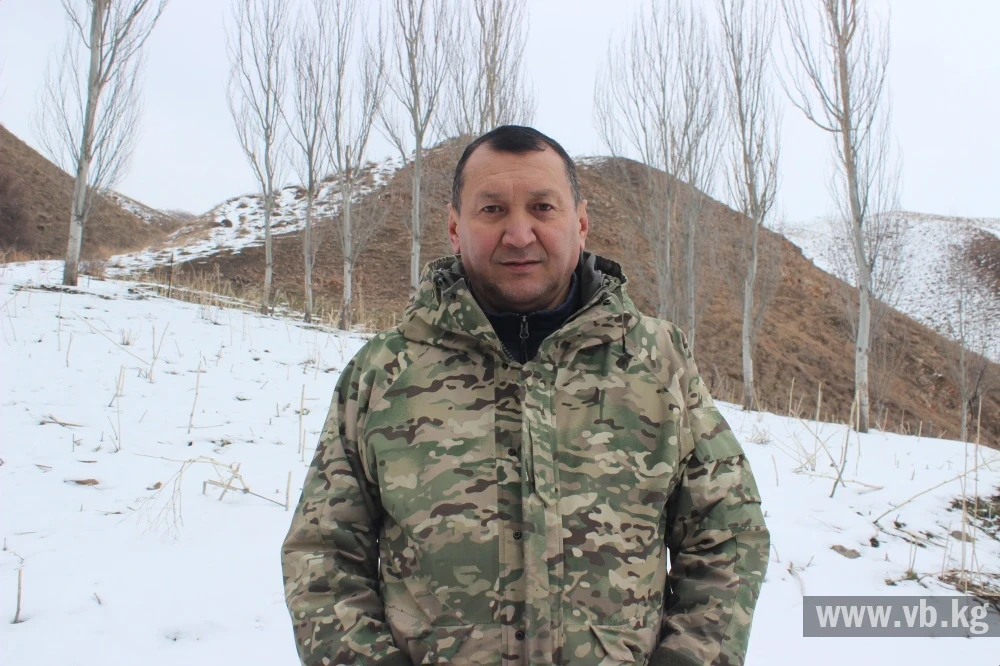
Maksat Sheripov, chairman of the board of the Union of Hunting and Fishing Societies "Kyrgyzokhotrybolovsouz," noted that these activities were organized in collaboration with the Chui Regional Department of the Ministry of Natural Resources, Ecology, and Technical Supervision, as well as with the National Academy of Sciences.
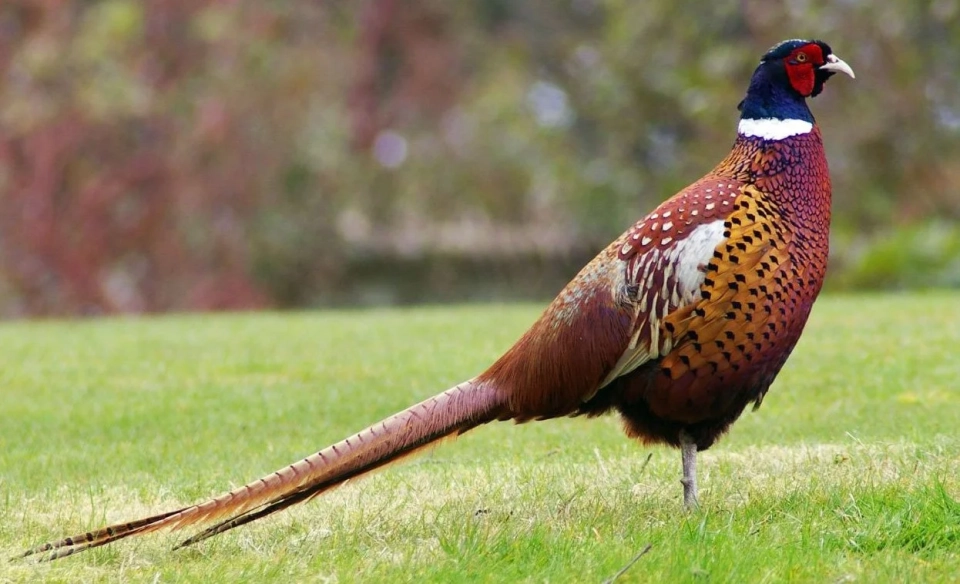
"As part of our current plans, we need to cull 15 chukars and 15 pheasants for scientific research. This is necessary to determine what diseases affect these birds and how to prevent their spread," he explained.
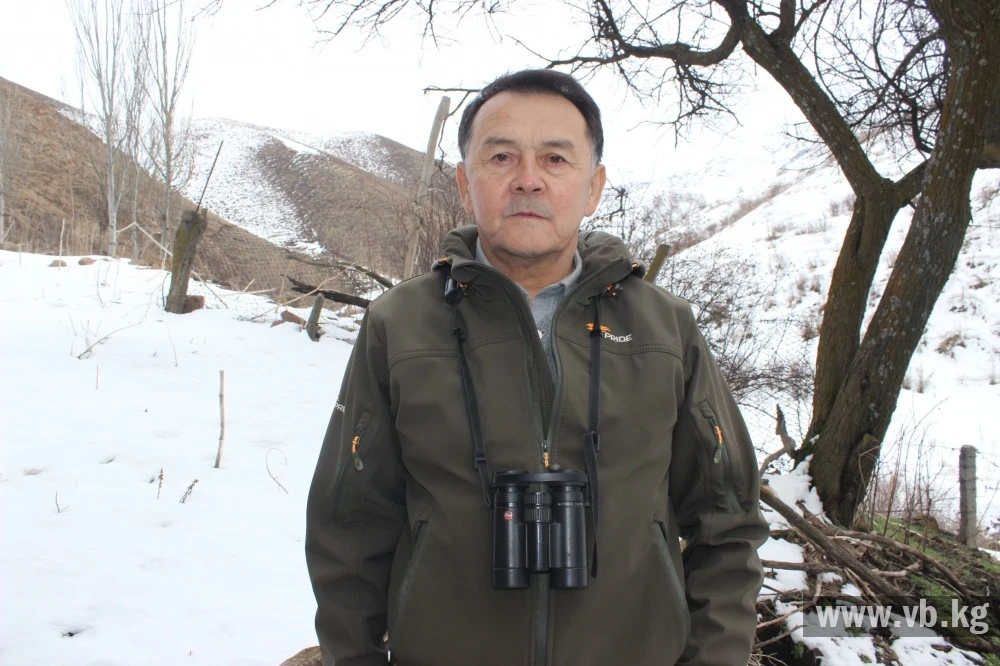
Altymysh Ibraimov, chairman of the Tokmok Inter-District Society of Hunters and Fishermen, spoke about the problems faced by hunters and the work of hunting enterprises.
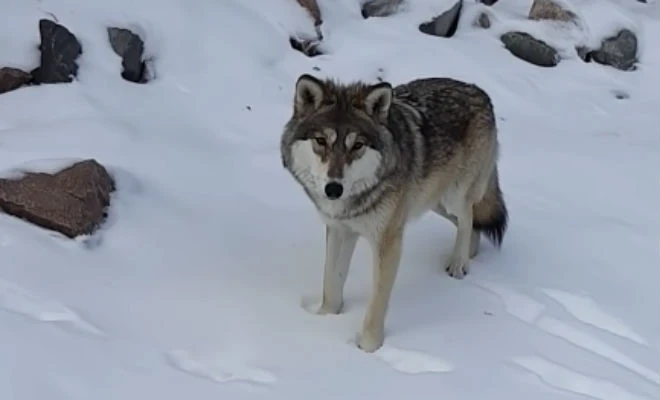
"With 34 years of experience in this field, I am located in one of the hunting areas in Kyzyl-Suu. Here, in collaboration with rangers and colleagues from Tokmok, we conduct hunting tours. This territory is home to various species of wild animals, such as chukars, pheasants, Siberian ibex, and roe deer, as well as many predators, including wolves and jackals," Ibraimov said.
According to him, one of the reasons for the sanitary culling was the spread of diseases among birds.
"The situation is such that we have received information about diseases affecting chukars and pheasants. In collaboration with the Chui Department of Natural Resources and the Academy of Sciences, we are conducting culling to collect samples for analysis," he added.
Ibraimov also pointed out the lack of veterinary treatment for livestock as a possible reason for the spread of diseases.
"Previously, during Soviet times, before releasing livestock to pastures, they were always treated. In recent years, this has been done very rarely. Now everyone has become a farmer and drives their livestock out on their own. As a result, domestic animals often suffer from scabies and brucellosis infections," he noted.
In his opinion, this could negatively impact the health of wild animals.
"As a result, pheasants and chukars suffer from various diseases, and hunters cannot solve this problem alone. We provide supplementary feeding for wild animals, but this is not enough," Ibraimov explained.
He emphasized the importance of cooperation among various state and local structures to address this issue.
"We appeal to the Ministry of Agriculture and other agencies, as well as to local authorities. Joint efforts will help us cope with current problems more quickly," he said.
Additionally, Ibraimov noted that predators also pose a serious threat to wild animals.
"Wolves and jackals cause significant damage. For example, a jackal can destroy a pheasant's nest, leaving it without offspring. The same happens with chukars. Therefore, regulating predator populations is an important part of our work," he added.
Ibraimov also spoke about the activities of his organization.
"We have existed since 1949, when we were founded based on the Frunze Hunting Enterprise. Currently, we face a number of problems, as we are secondary land users belonging to farmers. Our task is not to cull animals without permission, but to protect nature and prevent poaching," he said.
He also emphasized that hunting societies contribute significant funds to the budget.
"We pay millions of soms in various fees and do not receive funding from the state. We would like more attention to our work and assistance in securing hunting grounds," Ibraimov noted.
He also pointed out the need to regulate predator populations.
"Wolves, jackals, American minks, and other predators create serious problems. We accept pelts from hunters to prevent their reuse, which helps minimize their harm to wild animal populations," he added.
In conclusion, Ibraimov expressed the readiness of hunting organizations to cooperate with government institutions and scientists.
"If we work together with local authorities and scientific institutions, it will help preserve the populations of chukars, pheasants, and other wild animals," summarized Altymysh Ibraimov.