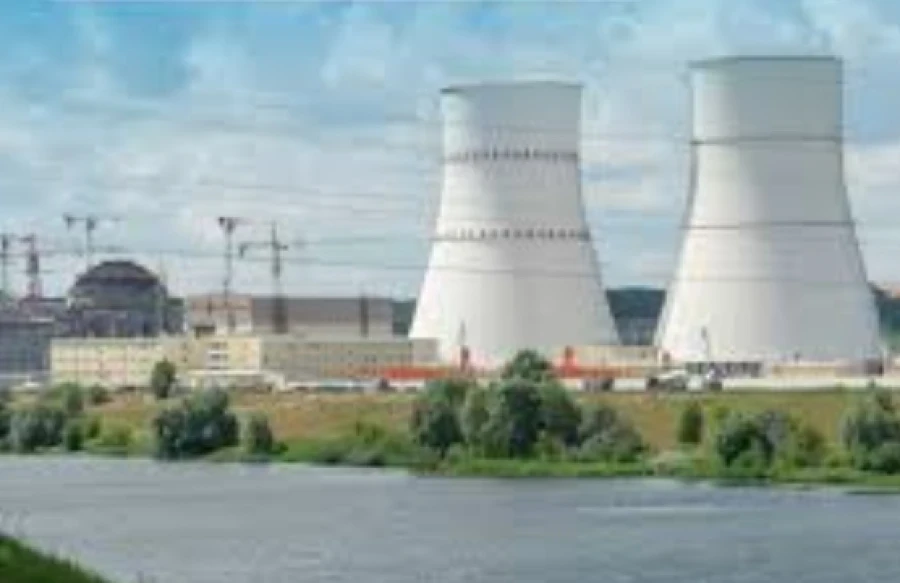
Experts believe that nuclear energy can reduce resource shortages and prevent potential conflicts in the region.
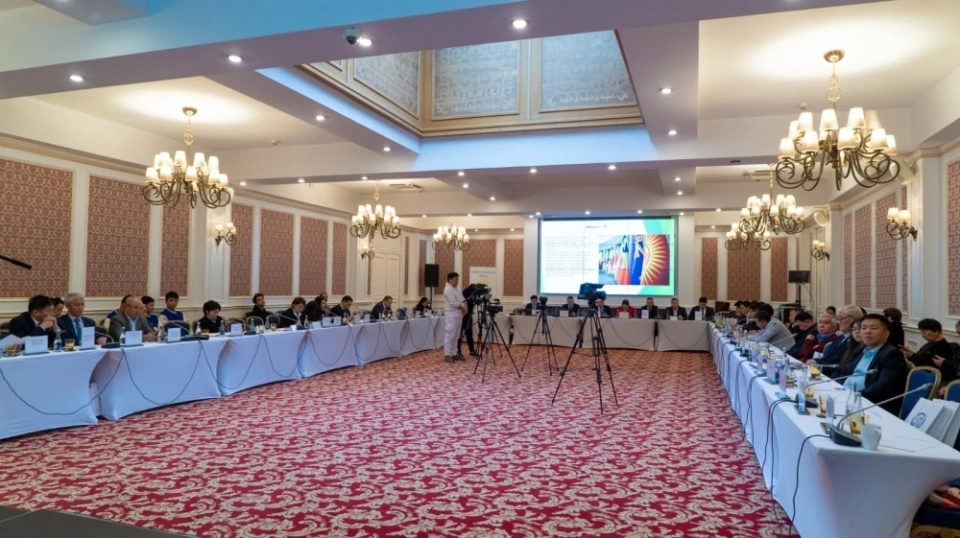
Central Asia faces serious challenges as the outdated model of distributing water and energy resources loses its effectiveness, which may lead to conflicts. These conclusions are presented in an analytical report by the International Discussion Club "Valdai".
Experts Alykbek Dzekshenkulov and Kubatbek Rakhimov propose a new approach: the creation of a water-atomic energy consortium involving Russia. They believe that nuclear energy could become the foundation for a new integrated system that combines issues of water supply, energy, food security, and stability.
The authors of the report emphasize that the old model, which formed during the Soviet period, no longer meets modern requirements. Previously, the upper reaches accumulated water resources for electricity generation and then provided irrigation to the lower reaches in exchange for fuel. Today, this mechanism has been disrupted.
Key factors contributing to these changes include:
- significant population growth and increased resource consumption;
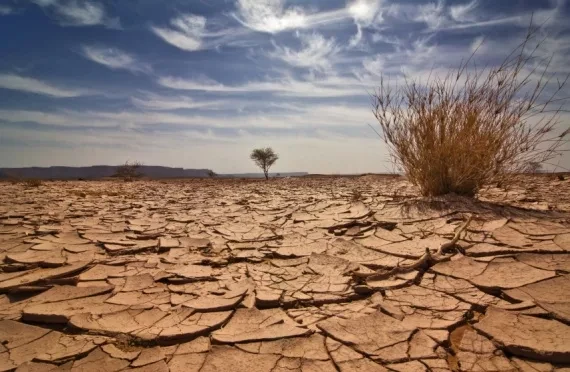
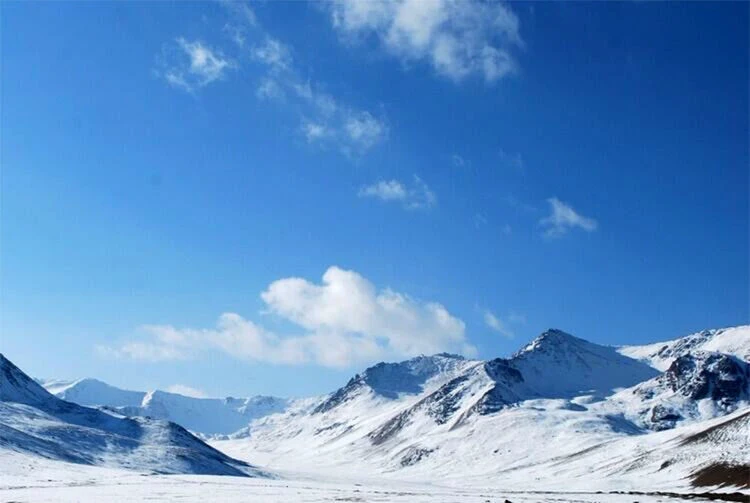
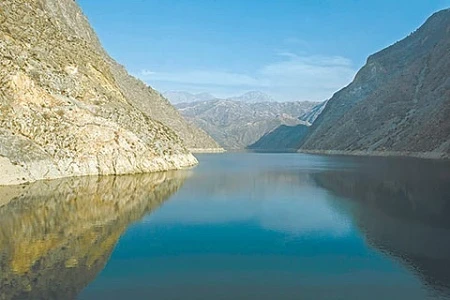
- glacier melting in the Tian Shan and Pamir mountains, leading to reduced water volumes;
- wear and tear of existing infrastructure, including hydroelectric power stations and irrigation systems;
- environmental issues such as land pollution and declining water levels in the Aral Sea.
Water and energy are becoming increasingly contentious issues between countries in the region.
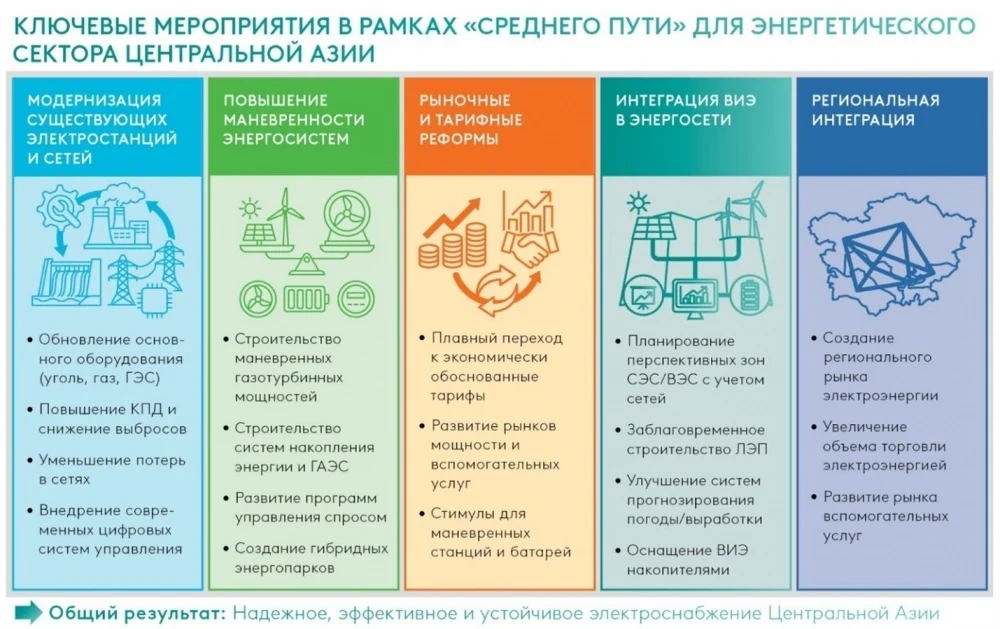
Experts propose implementing the "nexus" concept, which represents an interconnected system of "water – energy – food – security," where nuclear energy will play a key role.
The establishment of nuclear power plants is expected to:
- ensure uninterrupted electricity production throughout the year;
- reduce pressure on reservoirs and decrease water discharge volumes in winter;
- lower dependence on coal generation;
- manage water resources more effectively for agricultural needs.
Experts are confident that this approach can contribute to the industrialization of the region, increase employment, reduce migration processes, and ensure long-term stability in Central Asia.