“The world is entering an era where stability has become one of the rare strategic resources”
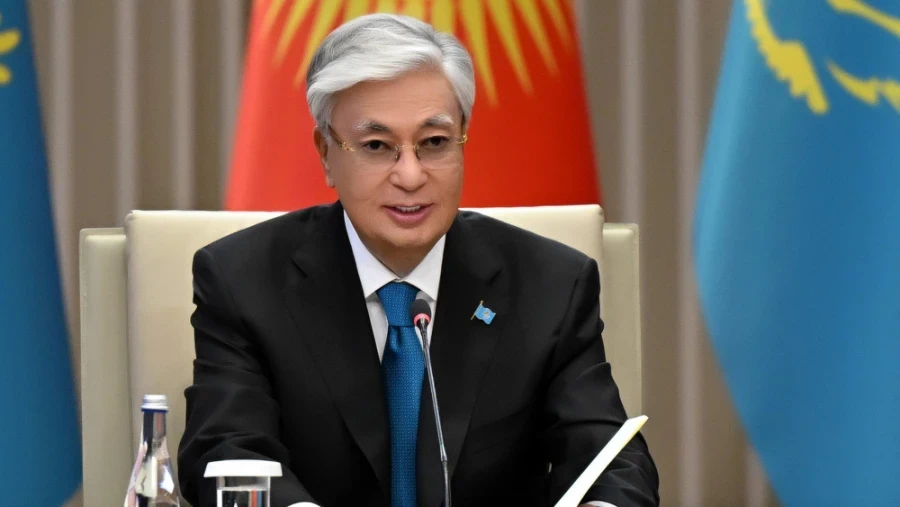
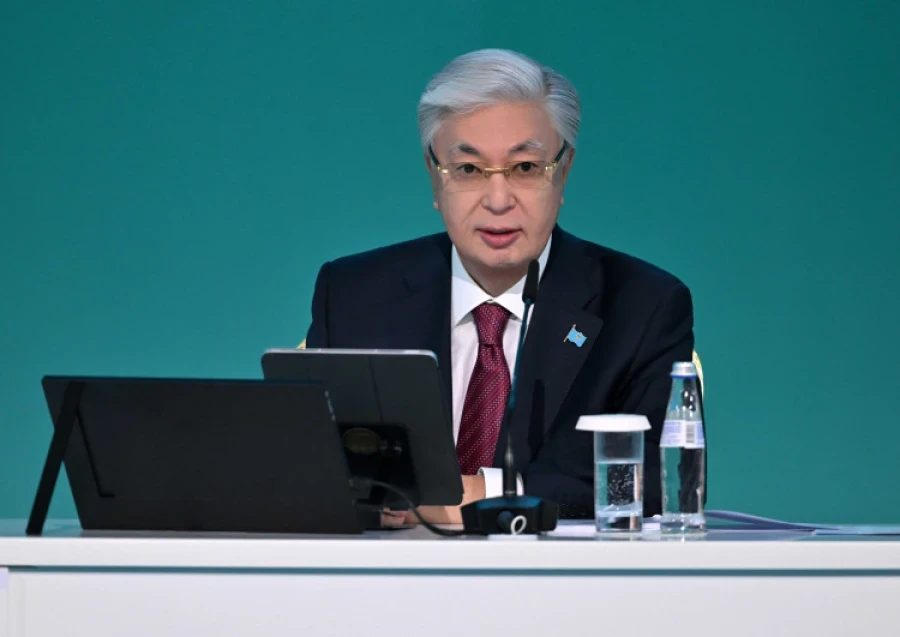
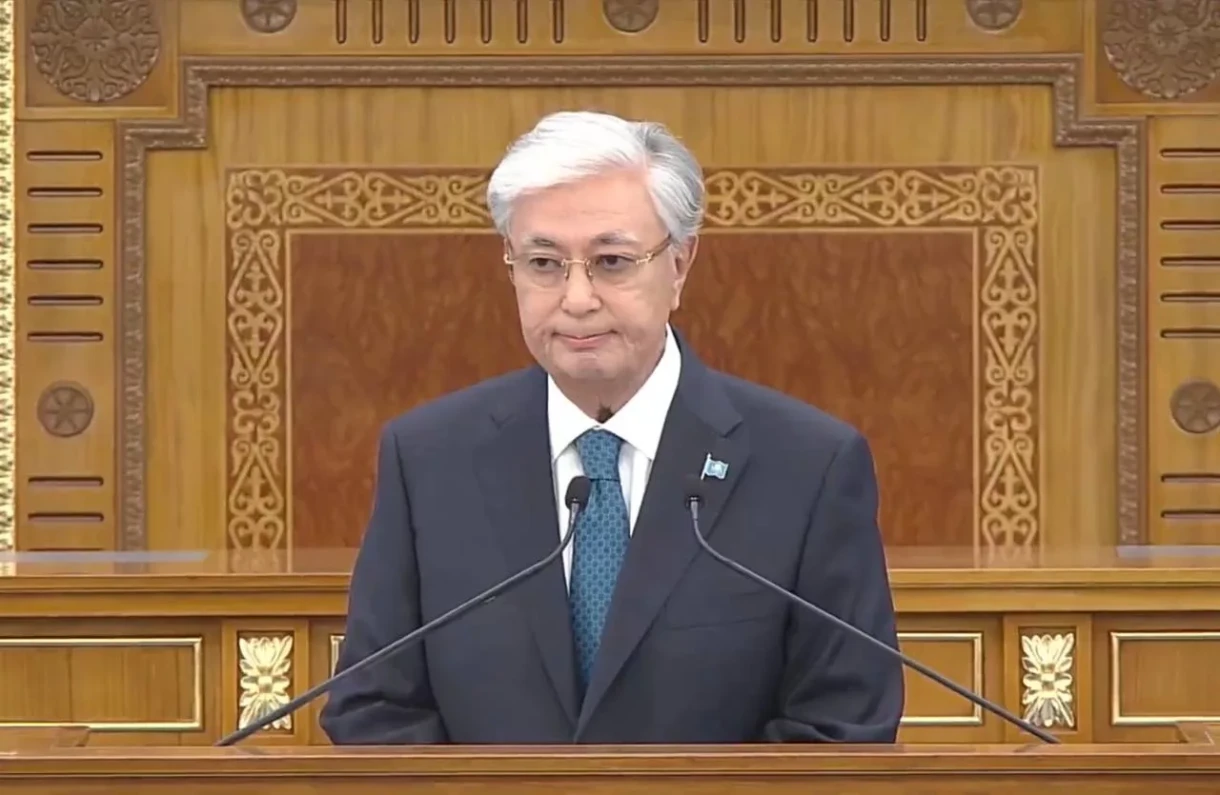
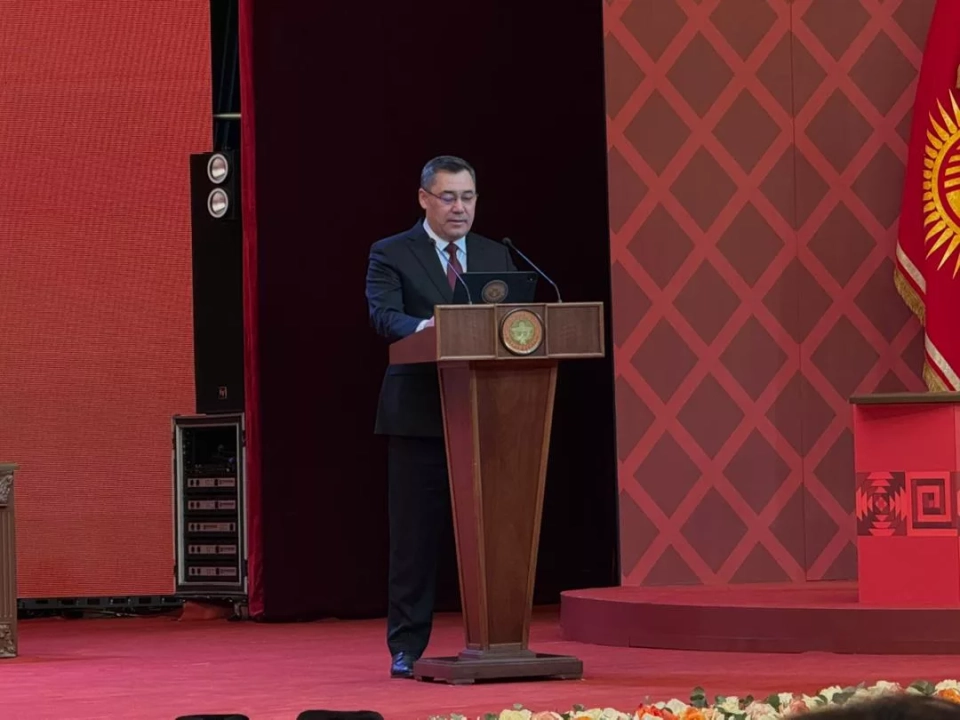
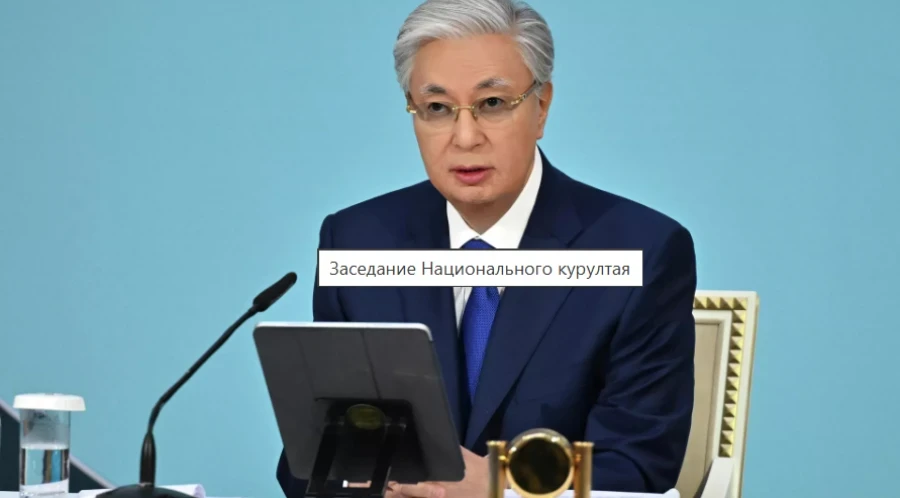
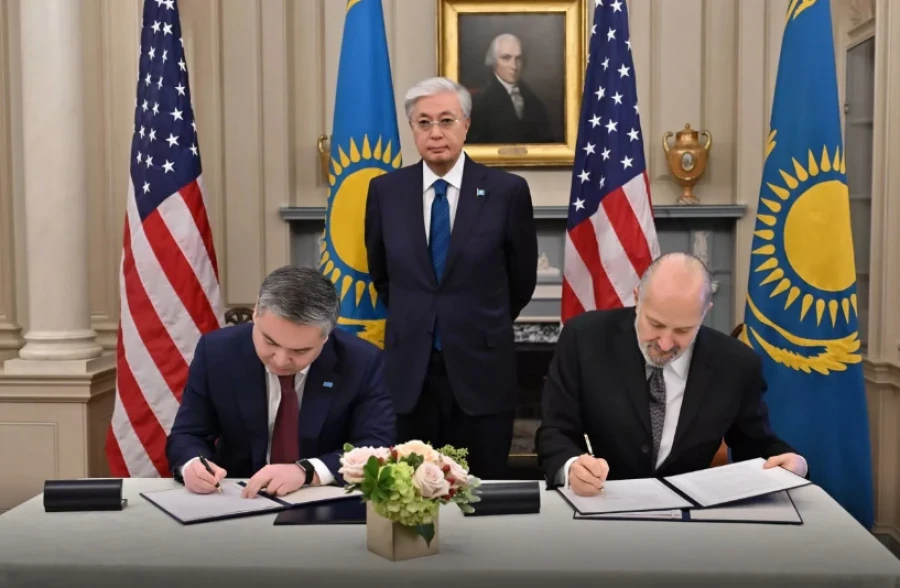
Kazakhstan will become a reliable partner for the USA. This was stated by the President of the Republic of Kazakhstan, Kassym-Jomart Tokayev, in his article published in the influential American magazine “The National Interest,” which specializes in international relations.
“The world is entering an era where stability has become one of the rarest strategic resources. Conflicts are multiplying, geopolitical rivalry is intensifying, and international institutions are experiencing increasing strain due to deadlock, polarization, and declining public trust.
For decades, global politics has been shaped within the framework of globalization, which was not initially flawed. Its stated goal of creating an interconnected and inclusive international order seemed rational and constructive, at least at first glance.
However, over time, this concept has become distorted. It transformed into a model based on excessively ideological principles: inclusivity without accountability, freedom without limits, and moral superiority (or exceptionalism) that ignore the views of sovereign societies, pragmatic politicians, and those guided by common sense.
As a result, globalization has gradually lost its legitimacy in the eyes of hundreds of millions of people around the world.
This loss of trust was not accidental. It was caused by revelations of unprecedented corruption entrenched in state institutions, international structures, and political systems of leading countries. The involvement of well-known political figures in such schemes only intensified the already critical attitude towards governments associated with leftist ideological programs.
The current international situation demonstrates a growing demand for pragmatism and realism. This shift became particularly evident at the Munich conference, where some of the most compelling ideas expressed by high-ranking Western leaders emphasized a simple truth: national interests cannot be ignored, sovereignty cannot be perceived as an inconvenience, and stability cannot be based on ideological dogma.
The world does not reject cooperation. It is rejecting illusions. The emerging new doctrine is crystal clear: order must be based on the rule of law, accountability, predictable commitments, and respect for cultural and national identity. This is not isolationism. It is a sign of political maturity.
Nowhere is the failure of the old model more evident than in the area of conflict resolution. For too long, the international community has relied on an endless cycle of negotiations, declarations, and conferences that ended only with symbolic statements. The result is known: agreements without implementation, diplomacy without results, peace processes without achieving peace.
The world can no longer afford such an approach.
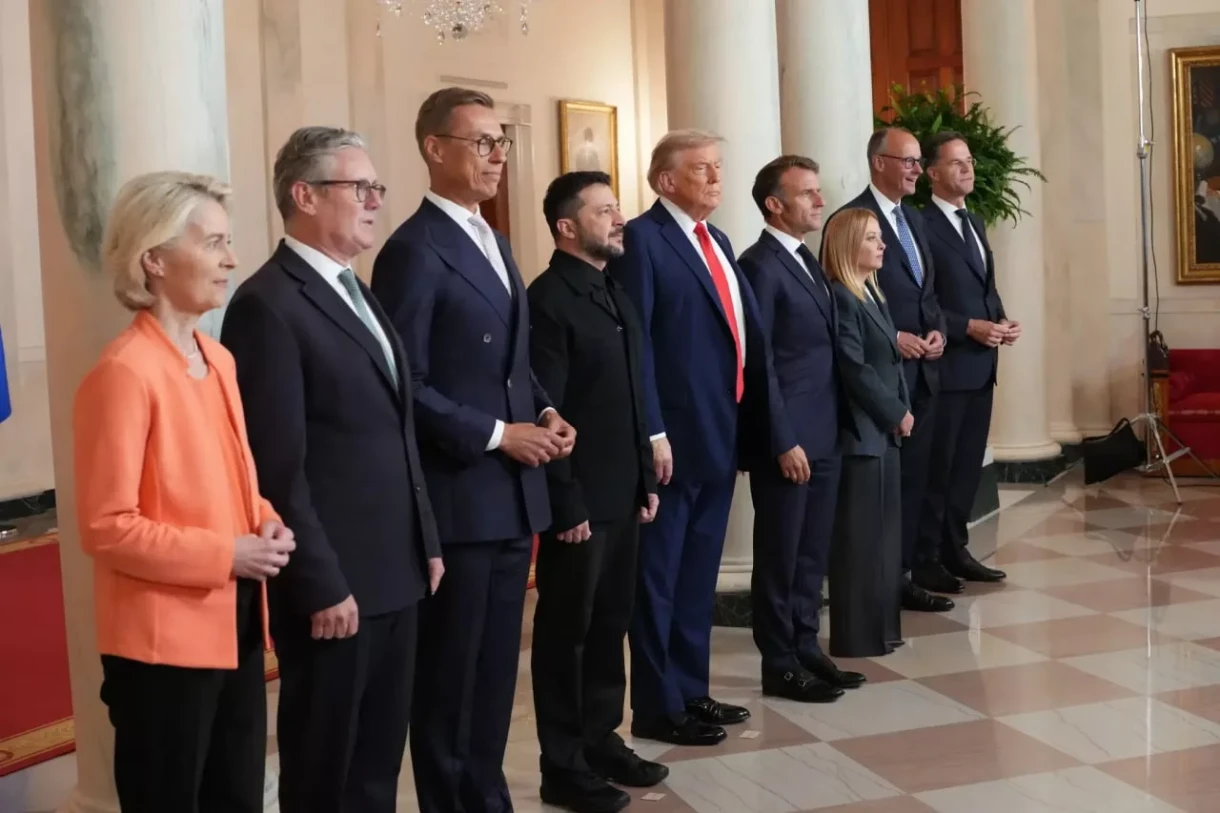
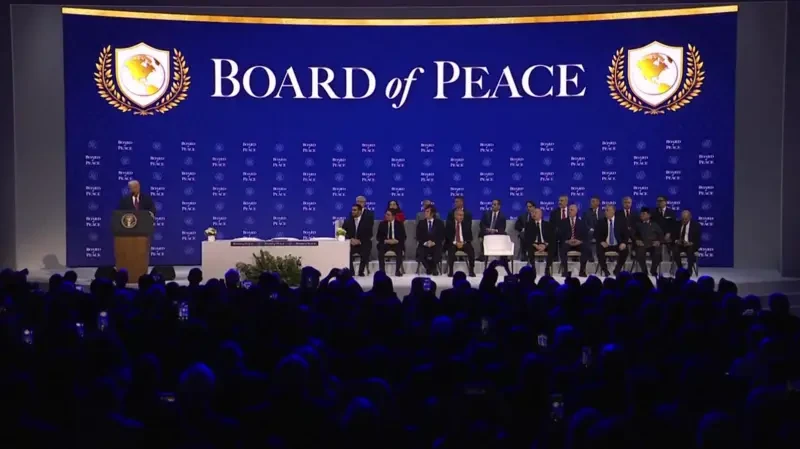
That is why the establishment of the Council for Peace, initiated by President Donald Trump and fully supported by the United Nations, represents a significant step forward. This is not just another forum for endless discussions. It is a practical initiative aimed at achieving concrete results, especially in Gaza and the Middle East.
The main distinction of this initiative lies in its logic. The White House proposed a truly innovative approach: instead of repeating exhausted political formulas, a clear and practical concept has been put forward - peace through sustainable economic development. In other words, peace is viewed not as a slogan, but as a project that includes infrastructure, investments, jobs, and a future, making the renewal of conflict meaningless. Due to its novelty and ambitions, this initiative deserves respect and international attention.
In Kazakhstan, a positive attitude towards the political principles associated with President Trump’s strategy is widely expressed at various levels of public and expert discussion: common sense, protection of traditional values, defense of national interests, and a desire to end wars rather than prolong them.
These principles resonate because they reflect what most societies intuitively desire: security, stability, and dignity. Kazakhstan’s support for this direction is not rhetorical but practical. That is why we have decided to join the Council for Peace and support it with concrete actions.
This is a logical continuation of Kazakhstan’s decision to join the Abraham Accords. This is not just a diplomatic gesture but a strategic choice. Kazakhstan has always adhered to a balanced and constructive approach. We have strong relations with Israel while consistently supporting the Palestinian people and promoting the two-state solution as the only reliable basis for peace. Our decision is also driven by national interests aimed at strengthening economic cooperation, attracting investments, and transferring advanced technologies. In a broader sense, we hope this will contribute to expanding dialogue between the Muslim and Jewish communities.
All these steps make the partnership with the United States stronger than ever.
Kazakhstan and the USA have built a multilateral partnership based on mutual respect and understanding. American companies have long been among the largest investors in Kazakhstan, especially in the energy sector.
Today, our cooperation is expanding into new areas, including strategically important minerals, digital infrastructure, advanced manufacturing, logistics, and innovation. One of our recent joint projects is the development of one of the largest tungsten deposits in Kazakhstan in partnership with the American company Cove Capital. Building on the momentum we have achieved, we look forward to further working with our American partners for the benefit of our peoples.
In recent years, we have followed a strategy of modernization, diversification, and integration into global markets. We have improved the investment climate, strengthened the regulatory framework, and expanded regional connectivity. As a result, Kazakhstan's GDP per capita has reached $15,000, further strengthening its position as the largest economy in Central Asia.
Our aspirations are clear: we want to become an important transport and logistics corridor connecting Asia and Europe, while also striving to create a modern economy based on technology, innovation, and a high level of human capital.
Moreover, our efforts in digital transformation, modernization of the public sector, and implementation of new technologies, including artificial intelligence, are not merely abstract desires. They are part of our national strategy to create a competitive state capable of successfully confronting modern challenges.
At the same time, economic progress is being achieved through significant institutional reforms. In the face of global challenges and uncertainty, Kazakhstan is undergoing one of the most important stages of political change in its recent history. We are moving from a super-presidential system to governance based on a balance of power and accountability, following the principle of “A Strong President, an Influential Parliament, and an Accountable Government.”
This modernization program is approaching an important milestone. Kazakhstan is actively preparing for a nationwide referendum on a new Constitution aimed at strengthening state institutions, increasing accountability, and ensuring a more sustainable and viable governance system in the future.
In the modern world, trust is defined not by rhetoric but by consistency and accountability. Countries that always fulfill their commitments, act transparently, and strive for practical cooperation form a solid foundation of trust.
Kazakhstan remains true to its goal of being a reliable and honest partner that values stability, adheres to international commitments, and achieves real results,” concluded the head of Kazakhstan.
Photo www