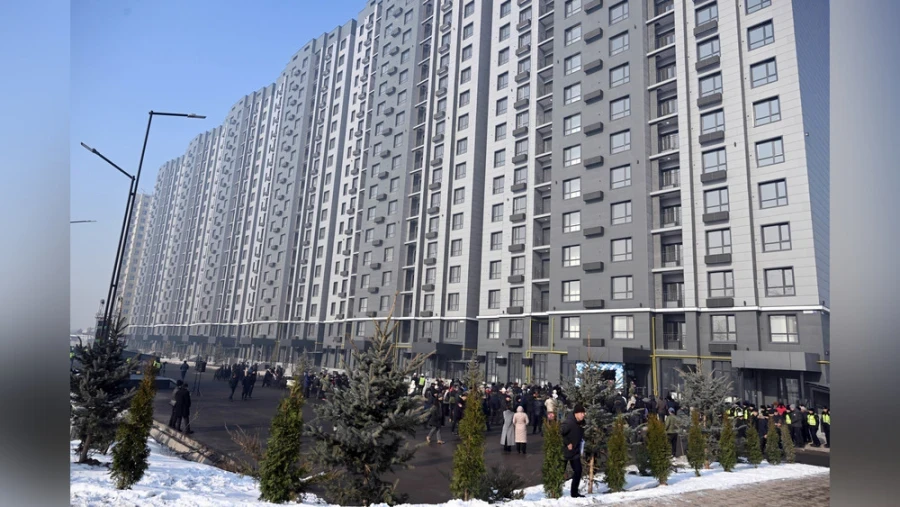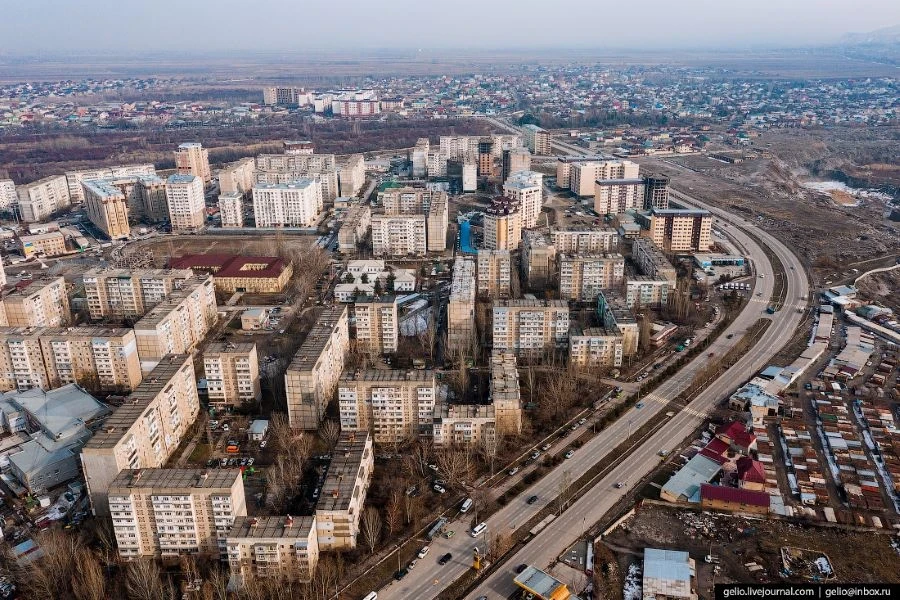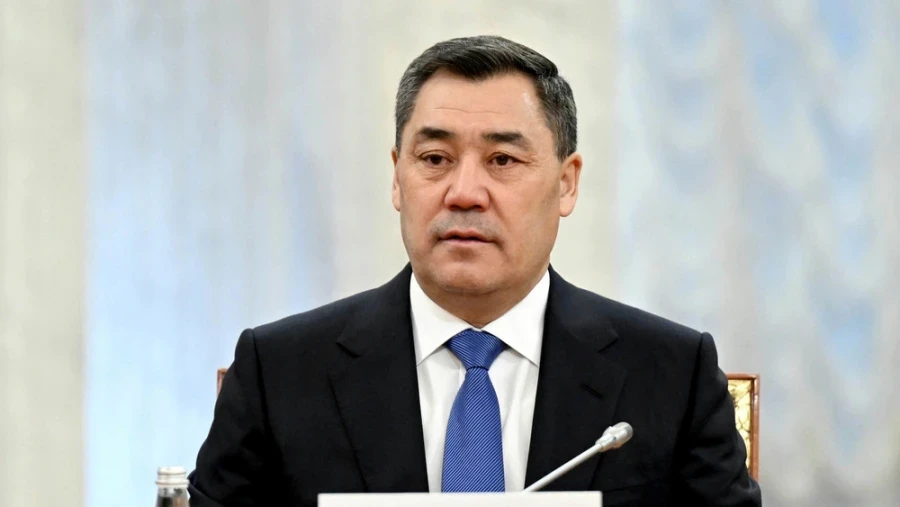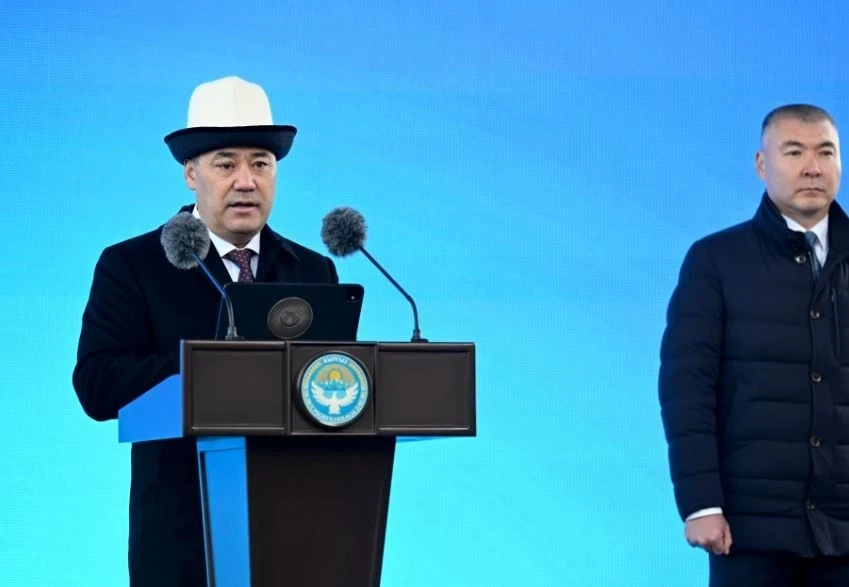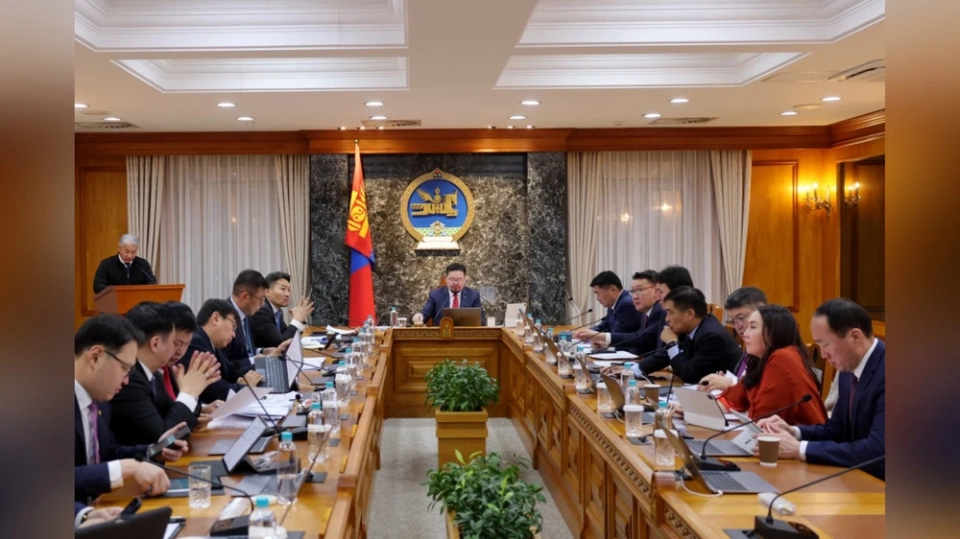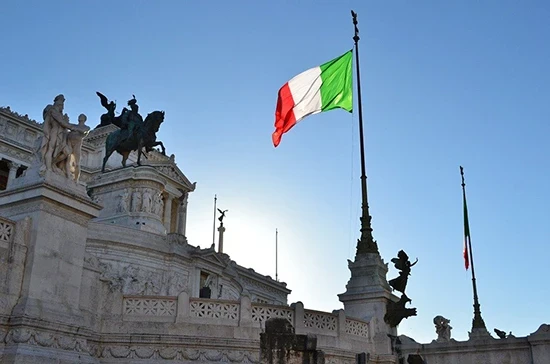
The key aspects of the new housing plan will be measures aimed at addressing housing affordability issues. The government plans to hold discussions with social partners, including trade unions and businesses, to clarify the details of implementation soon.
How will the process be organized?
Rent to Buy
Young people, couples, and divorced parents will be able to rent housing at a reasonable price, with the option to purchase it later at a set price. This offer is aimed at those who cannot buy an apartment outright but wish to invest in their future.
Social housing for elderly citizens:
There are plans to expand and modernize housing for the elderly, taking into account their financial capabilities and needs. For the first time, a property exchange system is proposed, allowing elderly people to move to more compact and convenient housing, freeing up space for families with children.
Regulation of rent and tax incentives:
Rental rates will be regulated at the regional level based on the actual income of citizens. Tax preferences are also expected for private owners providing housing under the new schemes.
The Prime Minister noted:
“This is not just about distributing apartments. This is a sustainable project that takes into account social mobility and the need for modern forms of rental.”
Given the rising housing prices in major cities and the shortage of social facilities, this project has the potential to become an important tool in the coming years. However, experts emphasize that success will depend on the selection mechanisms, the actual rental costs, and the speed of plan implementation.
It is expected that the first apartments will begin construction by the end of 2026, and local authorities will gain more rights in managing applicant lists and access criteria.