In Kyrgyzstan, standards for "safe and green schools" have been in place for several years. However, an inspection conducted by journalists from VB.KG reveals that the actual state of affairs raises serious concerns. In schoolyards, instead of protective green plantings that could shield children from dust and exhaust fumes, even the shrubs that have successfully fulfilled this role for many years are often removed. School administrations, in their pursuit of aesthetics, forget about the important ecological function.
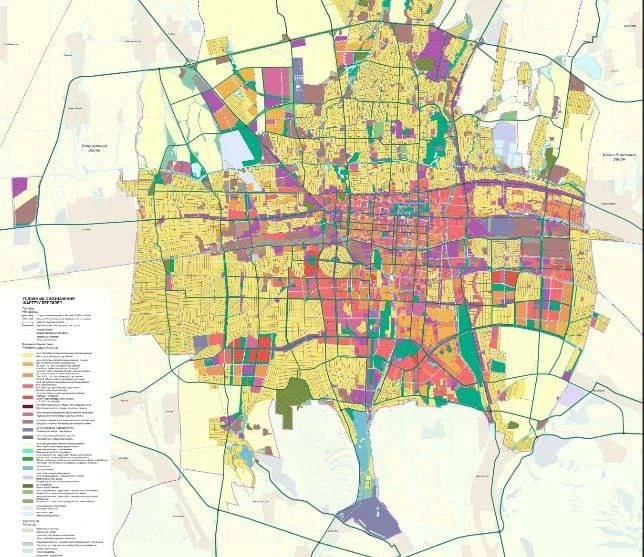
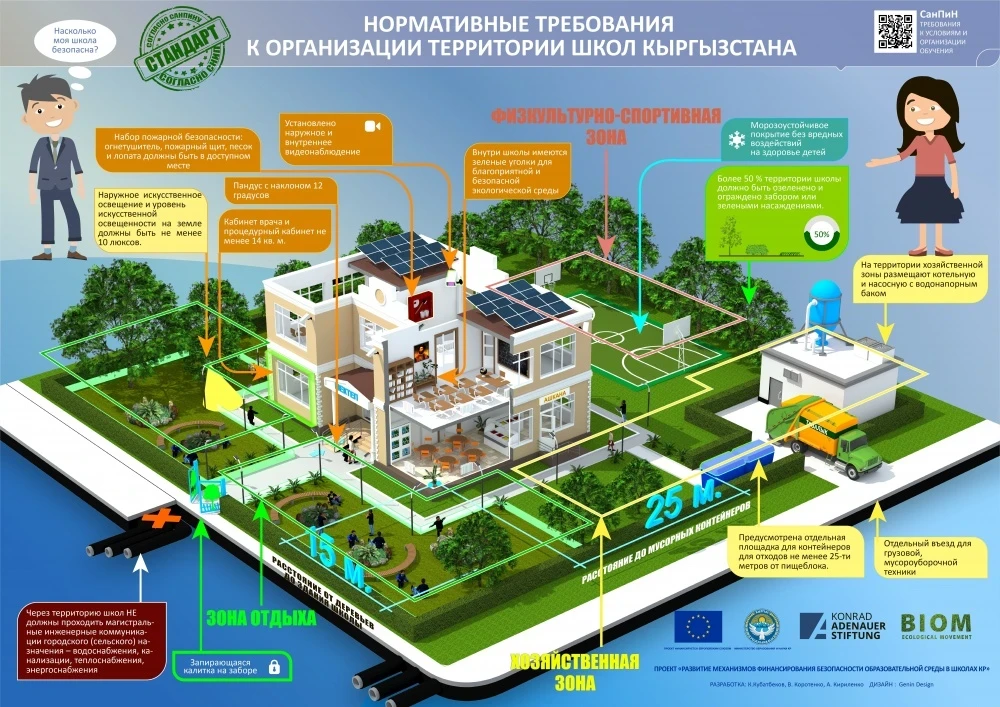
Experts from the environmental movement "BIOM," who have created detailed maps for greening schools, emphasize that the territory of an educational institution should be viewed as a full-fledged ecosystem, not as a secondary part of the infrastructure. Today, when parents choose a school for their child, they pay attention not only to the quality of teaching but also to the safety and appropriateness of the greening of the yards. According to current sanitary norms, green plantings should occupy at least half of the school territory; however, in practice, this rule is often ignored: most schools only feature decorative lawns and a few trees that do not serve protective functions.
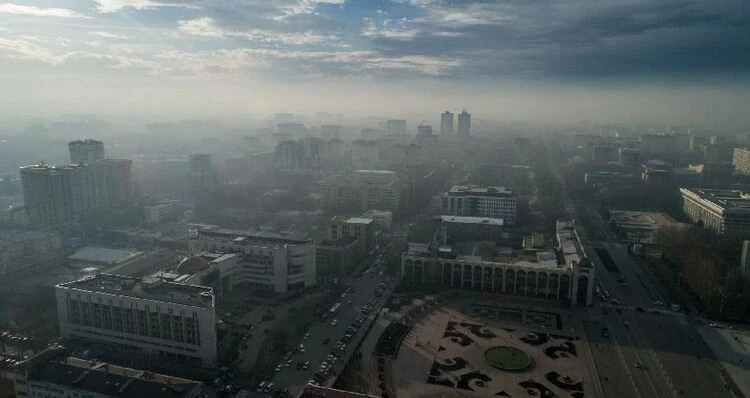
The situation becomes particularly critical against the backdrop of severe air pollution in Bishkek. During the winter months, the level of fine particulate matter PM2.5 in the capital regularly exceeds the permissible WHO norms by 5–10 times due to coal heating and motor vehicle emissions. In such conditions, the absence of a dense "green filter" leaves children virtually defenseless. Scientists emphasize that quality greening is not merely decor but a vital infrastructure that helps reduce noise, protect buildings from overheating, improve air quality in classrooms, and enhance students' concentration.
Experts, relying on the methodological recommendations of ecologists and the work of Professor Emil Shukurov, call for a rejection of the exclusively "decorative" approach. According to Shukurov, the main mistake lies in planting vegetation solely for aesthetic pleasure. It is important to create a sustainable multi-layered system that includes trees, shrubs, and grasses of varying heights. Such a structure forms a microclimate and genuinely protects the territory. Preference should be given to local plant species that are better adapted to the climate, drought-resistant, and require minimal maintenance, unlike exotic species.
Modern greening of educational institutions should include zoning of the territory, the creation of dense "green shields" around the perimeter, vertical greening, and a complete rejection of chemical fertilizers. Bishkek should remember its history as a garden city, founded by horticulturists like Alexander Fetisov, when parks, squares, and schoolyards were viewed as a unified green network. Each school should be part of the overall ecological infrastructure of the city.
The issue of greening is not a matter of aesthetics but a matter of safety and health for the younger generation. Parents and concerned citizens are encouraged to carefully examine the territories of schools and kindergartens that their children attend. Is everything in order? Is your child's school truly "green" and safe, or have the protective functions of plants been sacrificed for the sake of paving and empty spaces? Share your experiences: do you and your child like the green design of the educational institution, and does it fulfill its main task of providing children with clean air? Perhaps your example will inspire someone to make changes, such as creating a drip irrigation system and improving the environment in which our children grow.