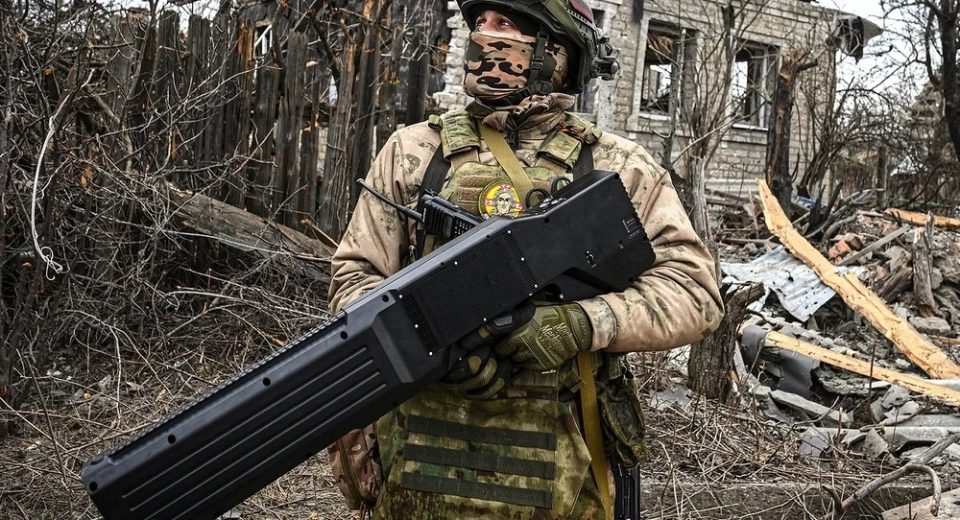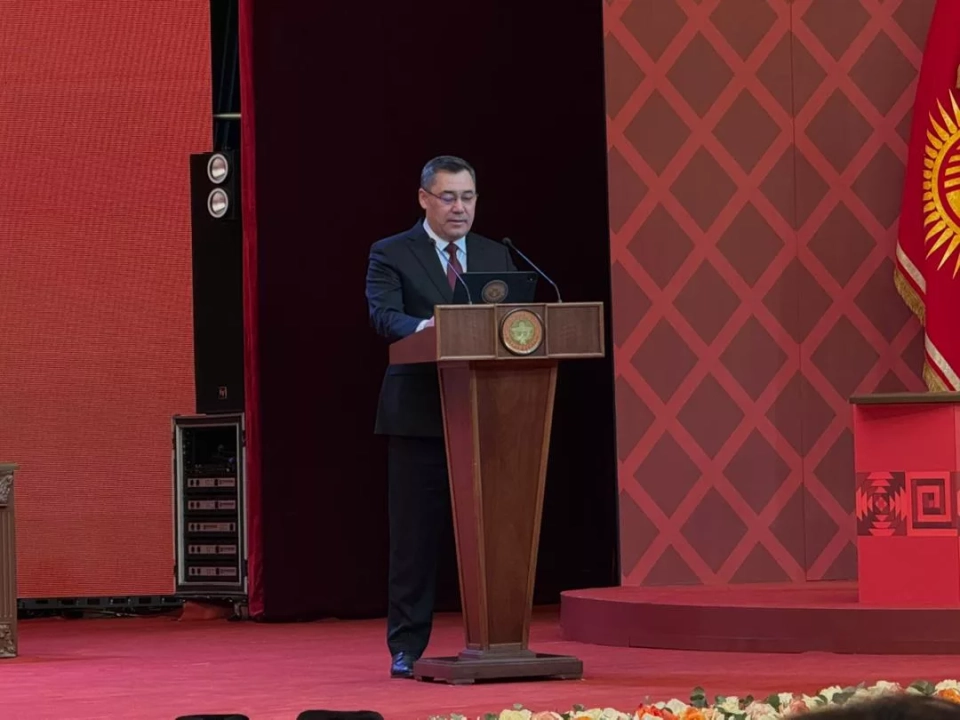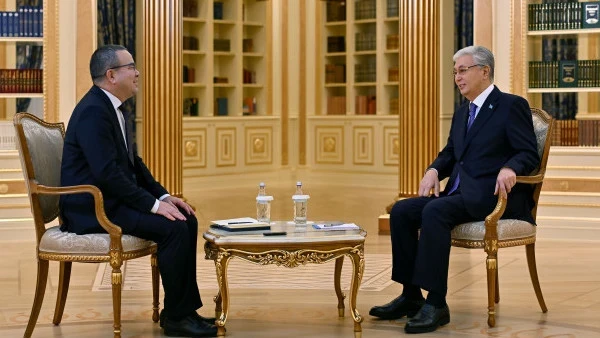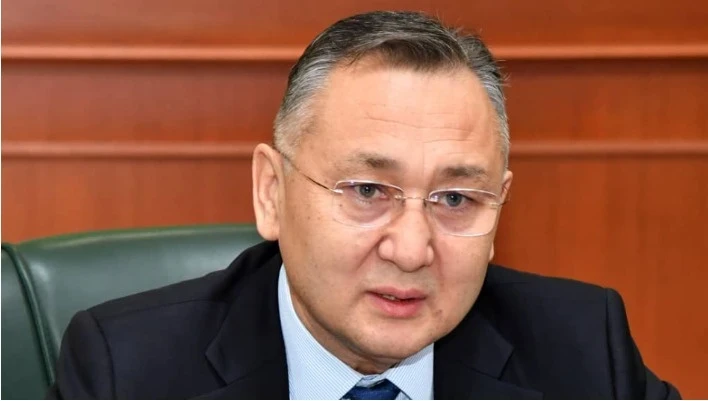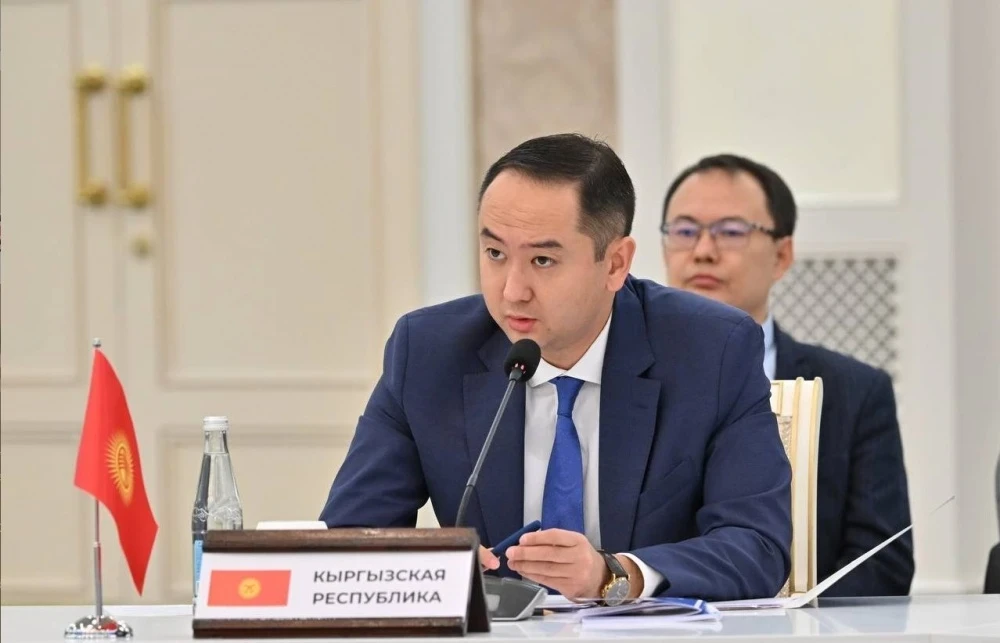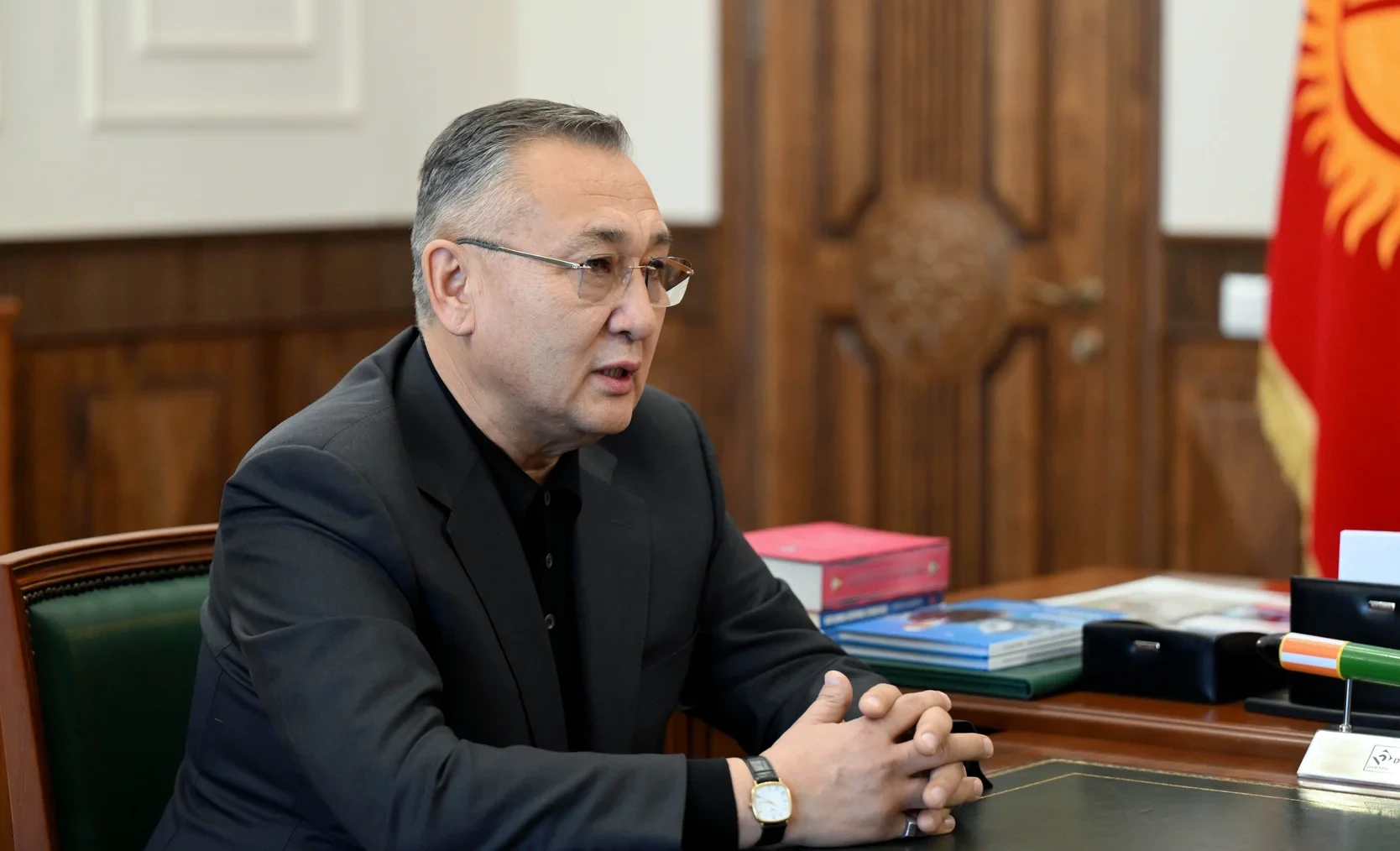
In his first interview as the Secretary General of the Collective Security Treaty Organization (CSTO), Taalatbek Masadykov discussed key issues related to ensuring stability in Eurasia and enhancing the operational capabilities of collective forces. He emphasized the importance of equipping these forces with modern weapons for the effective execution of assigned tasks.
According to Masadykov, Russia currently holds the chairmanship in the CSTO, and the course of the organization, as well as plans for joint actions, have already been agreed upon at meetings of heads of state. He noted that the main focus of work is to maintain a peaceful environment and stability in the CSTO's area of responsibility, which requires joint efforts from all members.
“The main task is to strengthen peace and stability, creating conditions for the safe development of CSTO member states. We have all the necessary tools to achieve this goal,” Masadykov stated.
The Secretary General emphasized that improvements in the functioning of the CSTO's statutory bodies are planned, along with the activation of inter-parliamentary cooperation and the development of collective security measures in light of the changing military-political situation. This includes coordinating efforts to combat international terrorism, extremism, and drug trafficking.
“Today, Eurasia represents the geopolitical center of a new multipolar world, and events in this region have a significant impact on international politics and military situations, including the area of responsibility of the CSTO,” he added.
Masadykov also highlighted existing challenges, including the use of digital technologies and artificial intelligence to destabilize states.
“New weapon systems are becoming a reality, and defense spending is reaching record levels. Military space programs are actively developing, autonomous systems are emerging, and the internet is being used to manipulate the political stability of countries,” he noted.
The Secretary General pointed out the need for coordinated actions in response to growing biological and informational threats, emphasizing that there is a lack of consensus in the international community on these critically important issues.
“Currently, there are no effective mechanisms for controlling new dangerous technologies, and the threat of international terrorism and related problems remain relevant,” he added.
In this context, Masadykov emphasized that the CSTO adheres to preventive and diplomatic methods in its work while improving crisis response mechanisms.
“Within the framework of the collective security strategy extended until 2025, we will continue to enhance the capabilities of the CSTO collective forces, including equipping them with modern systems,” he noted.
One of the key tasks is to implement an intergovernmental program aimed at strengthening the Tajik-Afghan border, a decision made at the leaders' meeting in Astana in November 2024.
Currently, the CSTO is facilitating the implementation of the first stage of the program, which includes coordinating lists of weapons and equipment necessary for securing the Tajikistan border.
Additionally, the CSTO is actively developing cooperation with the Shanghai Cooperation Organization (SCO) and the Commonwealth of Independent States (CIS). The Secretaries General of these organizations signed a Roadmap aimed at developing joint security until 2028. “The implementation of this roadmap will lay the foundation for more active joint actions in the field of security,” Masadykov added.
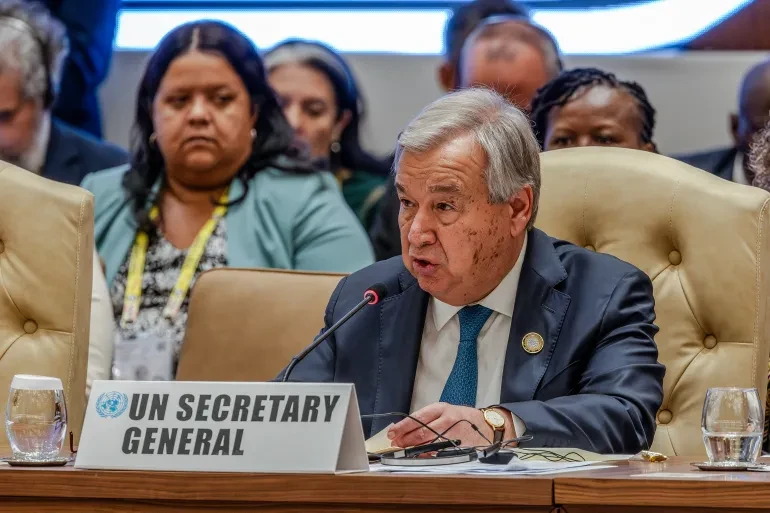
He also mentioned the interaction of the CSTO with the UN, which is carried out within the framework of a resolution of the General Assembly renewed every two years, focused on conflict prevention, peacekeeping, and combating terrorism.