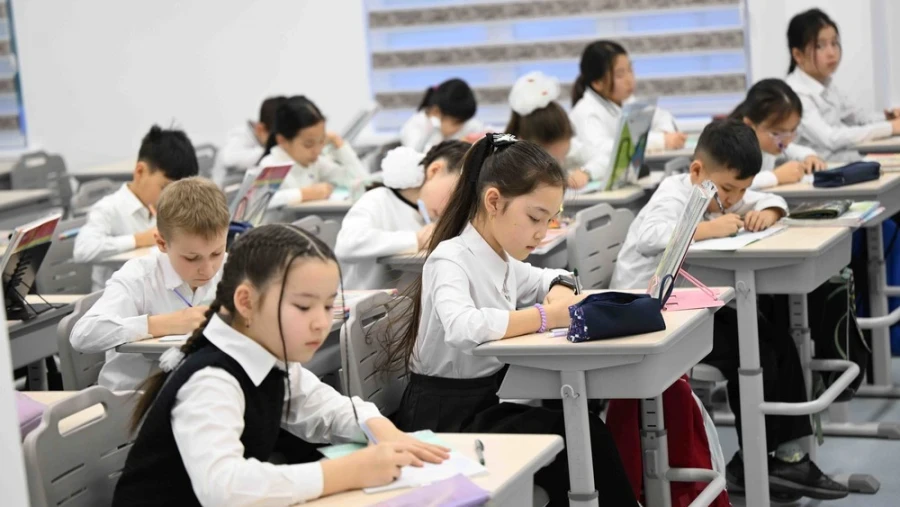
With the transition to the 12-year general education system in Kyrgyzstan, the stage of developing regulatory documents is coming to an end, and the phase focused on practical application begins. During the implementation of the new model in schools, attention is concentrated on the conditions necessary for its successful functioning — staffing, organizational, and methodological.
In this context, the reaction of both the professional community and the public plays an important role. As noted in the material on the kz24.news website, it is not the idea of the reform itself that raises concerns, but the lack of visible results in everyday school practice despite significant expenditures. The main difficulties are related to the insufficient preparation of children for school and the new requirements for teachers that arise during the reboot of the education system. Questions are also raised about the scale of expenditures and their proportionality to the observed changes.
This approach should not be viewed as criticism, but rather as an indicator of the tense situation in which the reform finds itself, caught between officially completed stages and their real implementation in the educational process.
Practical Aspects and Limitations
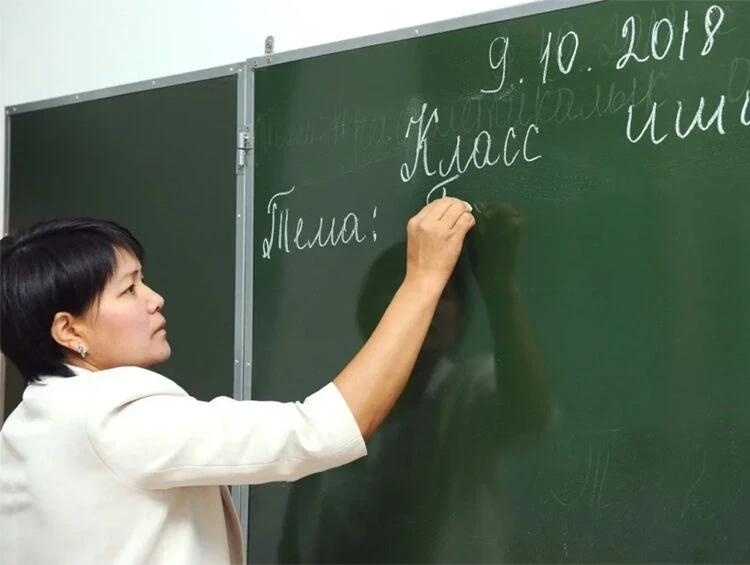
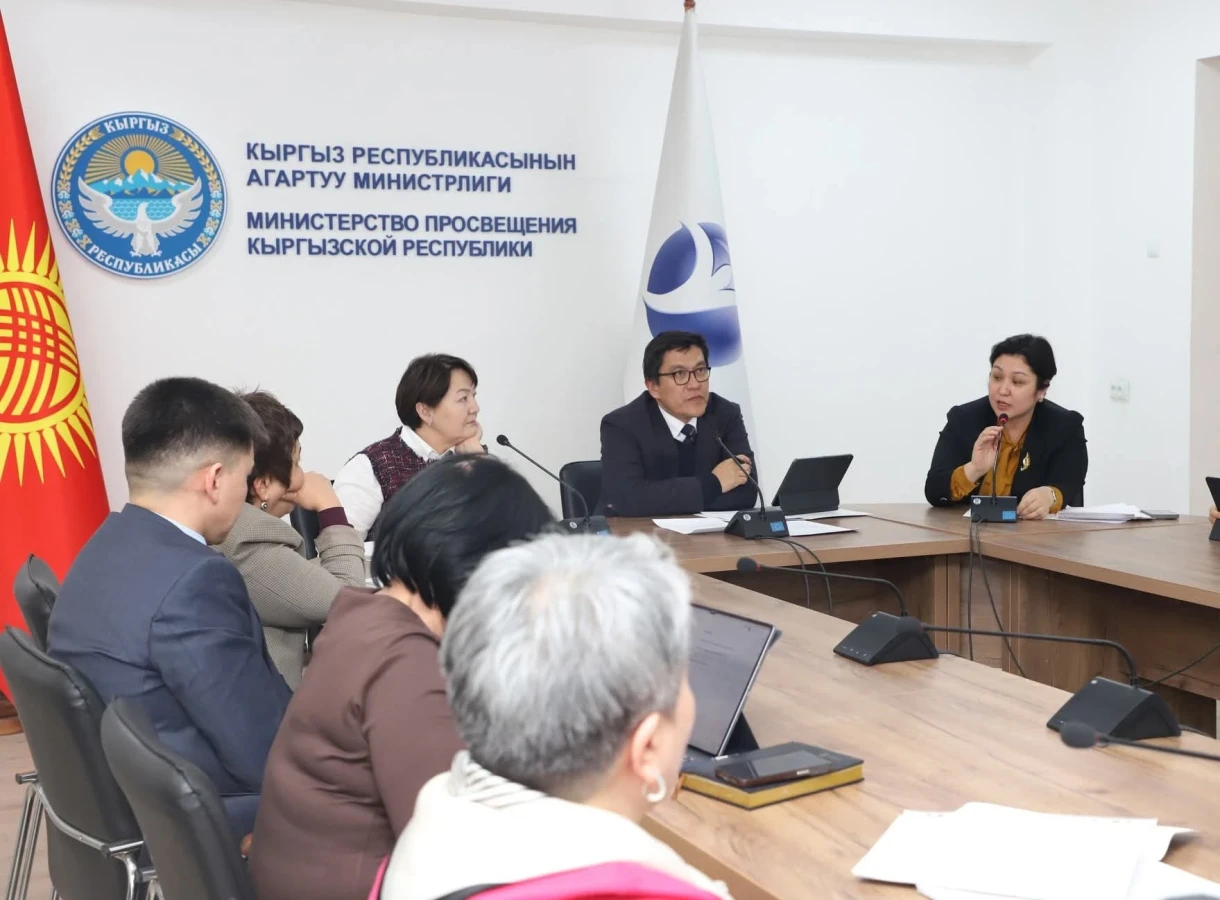
In January 2026, the Ministry of Education of the Kyrgyz Republic organized a working meeting dedicated to the work of primary school teachers within the framework of the new educational model. The main focus of the meeting was not on revising standards, but on practical issues such as the workload on teachers, student adaptation, and the need for additional methodological support.
This fact indicates a shift in the perception of the reform: it is ceasing to be an abstract concept and is becoming a real set of managerial tasks. However, institutional conditions remain diverse. According to official data, some regions still face a shortage of teachers, especially in core subjects. This leads to unified educational requirements being implemented with varying degrees of depth, which, in turn, affects the speed and quality of changes.
Funding and Effectiveness
The volume of funding for the reform remains significant. In 2025, approximately 744 million soms were allocated for printing and updating textbooks, highlighting the priority of education and the government's readiness to invest in long-term changes.
However, experts are increasingly discussing not only the amount of funds but also their practical effectiveness. Educational materials, even with timely delivery, begin to yield results only when combined with qualified teachers, sustainable methodological tools, and time for adaptation. In the absence of synchronization between these elements, the effect of investments may manifest with delays and is not always easily assessable.
Social Context and Process Management
The educational system of Kyrgyzstan is traditionally at the center of public interest, and any changes are perceived in a broader socio-cultural context. Discussions about language aspects and teaching methods reflect not so much conflicts of interest as the society's sensitivity to the stability of the educational environment.
The public accompaniment of the reform is mainly based on presentations and explanations. At the same time, the analytical component, such as comparing planned and actual results, regional differences, and interim outcomes, remains less noticeable. For reforms of this scale, this creates an additional demand for feedback and clarification of managerial decisions.
A Process Without a Clear Final Point
At this stage, the transition to the 12-year education system is perceived not as a completed project but as a long-term adaptation process. Its development depends not only on the regulatory framework but also on the system's ability to eliminate differences between regions, take into account the practical experience of schools, and adjust the pace of implementation.
Thus, the discussion of the reform today is more about its manageability than its feasibility. The final results will depend on how consistently strategic goals can be linked to the real possibilities of the educational environment.