As previously noted, the new document has been put out for public discussion.
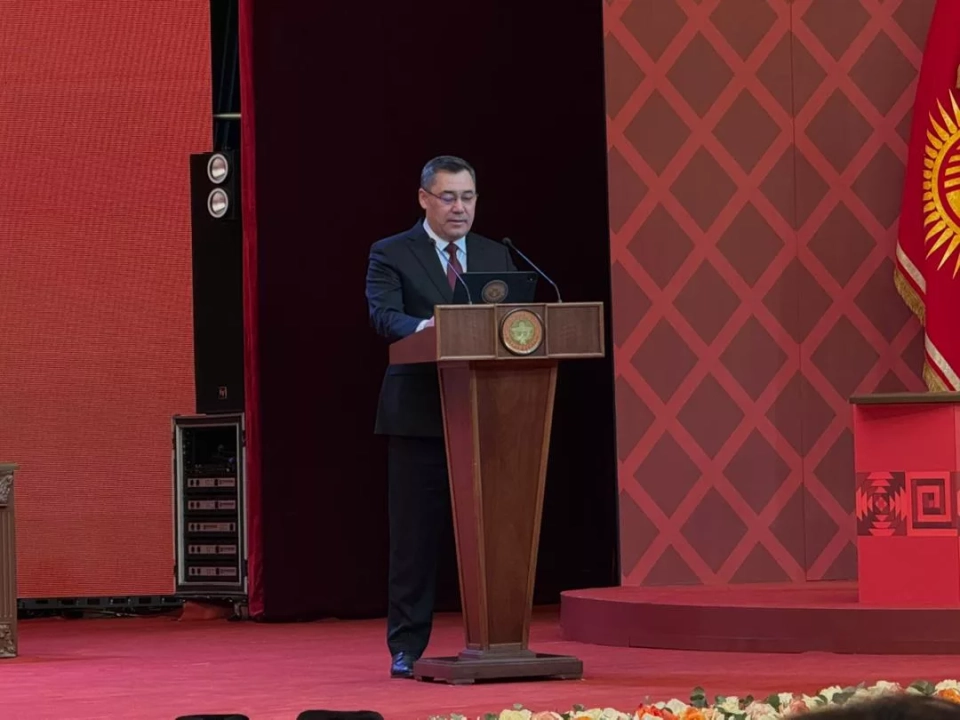
Sydygaliev emphasized that the COVID-19 pandemic, which swept the world in 2020, highlighted the need for stricter measures at quarantine checkpoints. The complex epidemiological situation, the emergence of new infections, and the potential use of pathogens for terrorist attacks require a comprehensive approach to the country's sanitary protection. "This is a task not only for the Ministry of Health but for all services," he added.
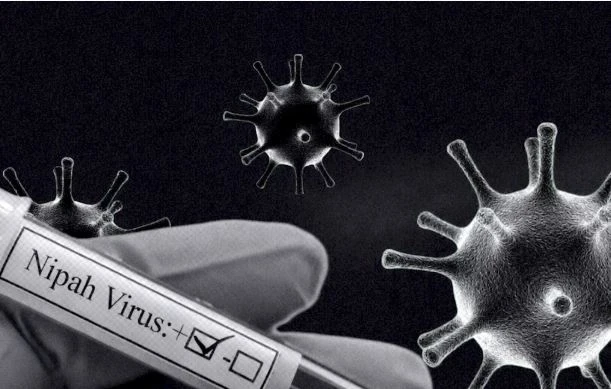
He also noted that during the fight against COVID-19, shortcomings in the system were identified, and it is necessary to prepare both the ministry and the population for possible emergencies. Regarding the Nipah virus, the deputy minister emphasized that additional measures have been introduced at entry points to the country to detect potential importation of the infection. "We have modern devices for measuring body temperature from a distance. Thanks to support from donors and the state, quarantine points have been updated," Sydygaliev reported.
According to him, new infections require constant monitoring. "Medicine continues to evolve, and we must update our documents," he added.
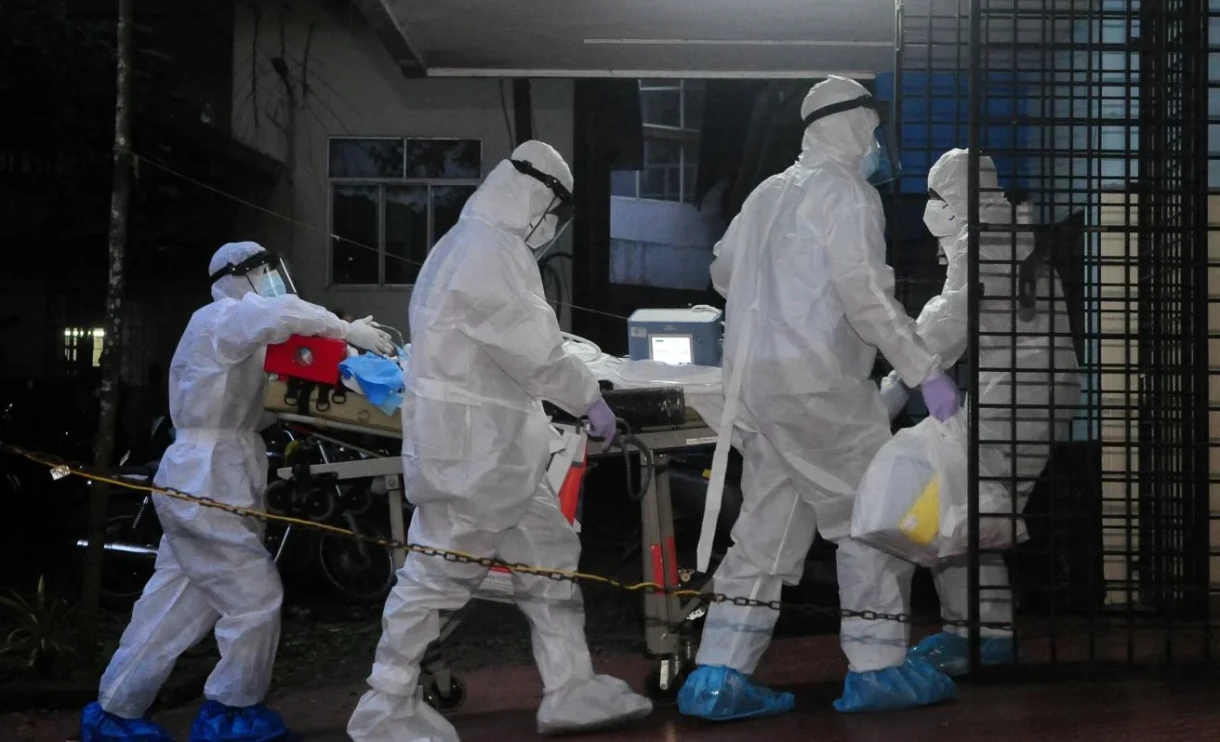
Sydygaliev also reminded that there is already a clear algorithm of actions for aircraft crews and train conductors in the event of an infectious disease being detected in passengers. For example, if a flight attendant discovers a sick passenger, they must notify the airport in Bishkek, where isolation facilities are provided for such cases.
Kubanychbek Bekturdiyev noted that infections can enter the country through various means, including goods and animals, but the main carriers remain people. "Given the cancellation of visa regimes in several countries and the increase in tourist flows, we are concerned about the possible importation of infections similar to COVID-19. In early January, the Nipah virus flared up in India, and we were extremely worried about its possible importation. Currently, there is an increase in cases of influenza and cholera, as well as the emergence of new infections such as Rocky Mountain spotted fever and borreliosis," he added, pointing to the consequences of global warming.
The document includes a comprehensive plan aimed at preparing for potential importation of infections and conducting anti-epidemic measures.
Photo on the main page is illustrative: pikabu.ru.