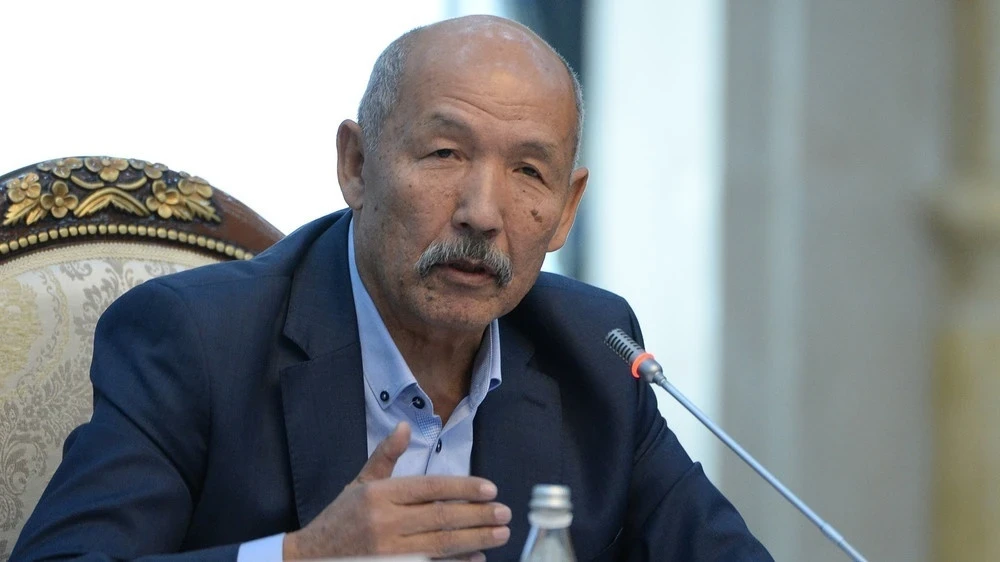
The recent appointment of Janarbek Akayev as the mayor of Osh, which has become a subject of active discussions, has sparked significant resonance among politicians and experts. A former deputy and journalist, Akayev, as the new leader of the southern capital, evokes mixed opinions. The main question remains whether he can transition from a public politician to an effective administrator. Will he manage the tough conditions of tender procedures and the state of heating networks, given that he previously only criticized them? Political scientist Asel Omurakova shared her thoughts on the situation:
“It seems that Janar Akayev optimistically headed to Osh, believing he could quickly figure things out. His appointment was a surprise to me, and here’s why:
First, his journalistic and deputy career shows that he is a bright, emotional, and impulsive politician, prone to sharp reactions and responsive to criticism. In public politics, this can contribute to his recognizability, but managing a city requires a completely different approach. It involves constant conflicts of interest, budgets, pressure from the apparatus, and the necessity to conduct complex negotiations daily. In such conditions, excessive emotionality can become a serious managerial risk.
Second, he lacks sufficient experience in municipal management. A city of republican significance is a complex mechanism that includes budgets, infrastructure, tenders, and communal crises. Here, not only political will is important, but also knowledge of regulations, managerial logic, and discipline. Without this, the risk of mistakes, especially at the beginning of a career, significantly increases.
Third, the new mayor will inevitably be compared to his predecessor, who has already established himself as an effective manager and earned the trust of the public. This will create a challenging starting position for Akayev with inflated expectations and doubts. Effective work requires more than just PR.
This issue is not about personal likes or dislikes. What matters is that managing a large city is not a platform for political growth “on the go.” It is a zone of high responsibility, where the consequences of mistakes can affect hundreds of thousands of people.”