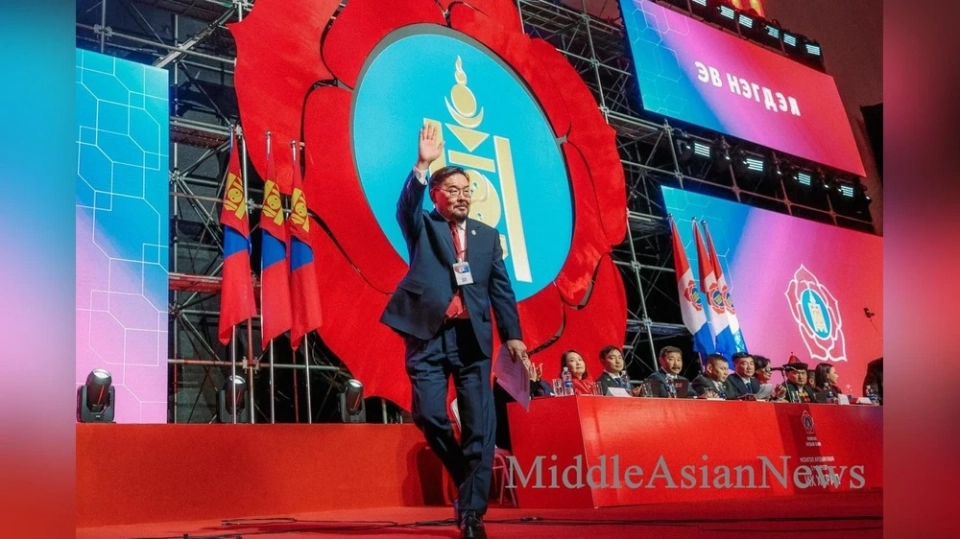
According to MiddleAsianNews, Ulaanbaatar has seen impressive digitization of public services. However, creating an export-oriented IT sector presents a separate and more complex challenge.
Mongolia has made a remarkable leap towards digital governance without first establishing the necessary technological foundations that typically precede such changes.
Since 2020, the E-Mongolia platform has been operational, providing 181 public services through a mobile app and website, with plans to add another 492 services. It integrates systems such as E-Barimt (VAT promotion) and E-Halamj (social services) into a single interface, facilitating the achievement of the "Vision Mongolia 2050" strategy by streamlining bureaucratic processes. The reforms are led by the Agency for Regulation of Public Digital Services, established in 2022. Mongolia improved its position from 74th to 46th among 193 countries in the UN E-Government Development Index for 2024 — a significant achievement for a landlocked country with a population of 3.3 million, located between Russia and China.
However, a deep analysis shows that Mongolia's digital transformation is more complex than presented in official reports. In the StartupBlink ecosystem ranking, Mongolia ranks 80th in the world, with a slight improvement of one position but a negative annual growth of five percent. The country has 75 registered startups, placing it fifth in East Asia. In the field of educational technology, Mongolia ranks 57th in the world and fifth in the region with 13 startups (17 percent of the total). From 2017 to 2025, Mongolia attracted only 14 million dollars in startup investments — an amount that barely covers one Series A funding round in other countries.
Government initiatives extend beyond e-government. The "Digital Nation" program aims to enhance transparency, reduce bureaucracy, and support entrepreneurship.
Efforts to develop e-commerce, financial services, and youth entrepreneurship programs, such as Youth Business Mongolia, help create a certain infrastructure; however, compared to more developed ecosystems, these initiatives are still in their infancy.
In the Reinvantage IT sector competitiveness index, Mongolia ranked 26th out of 32 countries, slightly ahead of Albania by 0.56 points but behind Moldova by 0.87 points. The country performs well on the economic impact indicator (12th place) but has low ratings on the business climate indicator (30th place), indicating that the sector creates only modest value despite challenging regulatory conditions.
Key indicators show that the IT sector is virtually identical to the telecommunications industry. The average gross salary in the ICT sector in 2024 was 673 euros — 81 percent higher than in 2020, yet it remains one of the lowest among the sectors studied. The average salary across the economy reached 636 euros, resulting in only a 6 percent difference — one of the smallest gaps among all countries, indicating minimal value of the ICT sector compared to other industries.
In 2024, the number of ICT workers exceeded 21,000 compared to 17,500 in 2020, reflecting a growth of 20.8%, although this figure is below average. At the same time, overall employment growth was 8.5%. The share of the ICT sector in total employment increased from 1.4% to 1.6%, which is about half of the average figure of nearly 3%.
The number of students studying ICT specialties increased by 44.7 percent from 2020 to 2024. The number of graduates rose by almost 39 percent, indicating growing interest, albeit from a low baseline. ICT services exports account for only 0.26 percent of GDP, significantly below the average of 2.3 percent (excluding Cyprus). The added value is 2.02 percent compared to the average of 4.59 percent, highlighting the dominance of the telecommunications industry in Mongolia's ICT sector.
“Mongolia has successfully digitized public administration. However, creating an exportable IT industry requires entirely different skills and capabilities that the country has yet to demonstrate,” emphasized Emerging Europe.