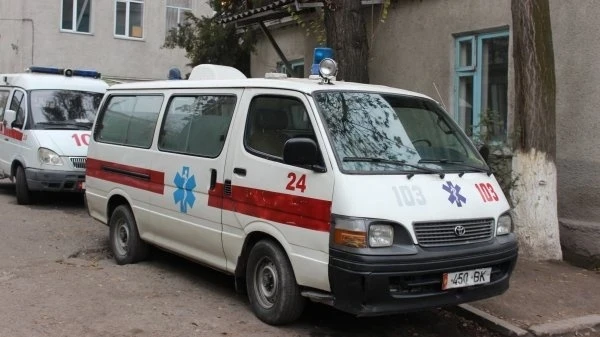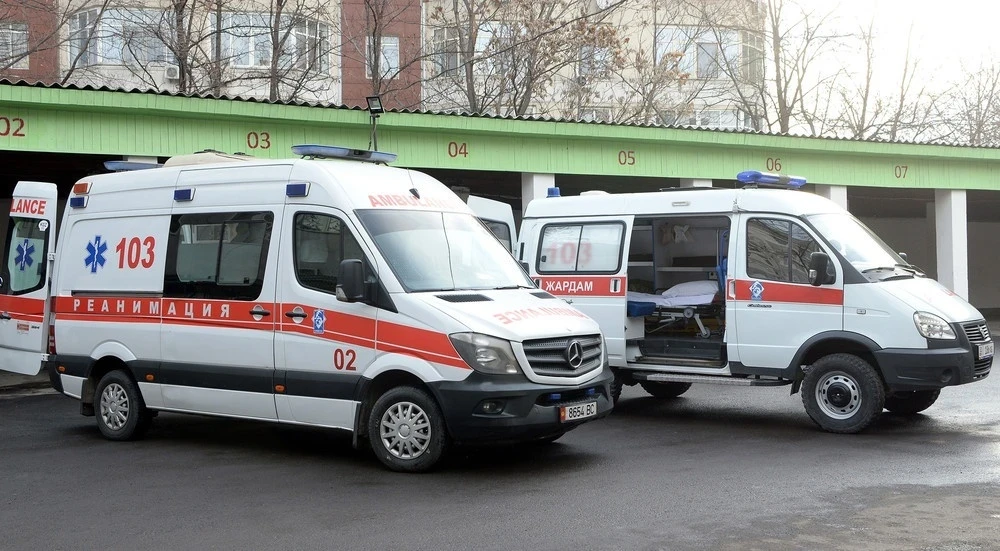
At the meeting of the Jogorku Kenesh held on January 14, 2026, Deputy Zhanibek Abirov raised a troubling issue regarding the shortage of ambulances in Bishkek. Following the recent administrative-territorial reform, the population of the capital has exceeded 1.3 million people, while only 35–40 teams are operational on the line. As a result, medical professionals are unable to respond to calls in a timely manner, putting the lives of thousands of citizens at risk. Despite efforts towards digitalization, the main obstacle to saving lives remains the lack of transportation.
The shortage is most acutely felt in border villages such as Maevka, Prigorodnoye, and Nizhny Ala-Archa, which have recently become part of the city. Parliamentarian Parkhat Tulyendaybaev expressed outrage at a meeting on April 23 of last year, stating that 50,000 residents of these areas are effectively without access to emergency medical care. "They are often told that there are no available vehicles and are advised to go to Nizhny Ala-Archa or to call a private ambulance, which will cost 2,000 soms, not including medical services," the deputy noted, adding that the existing vehicles often remain idle due to breakdowns or lack of fuel.
Long waits for doctors have become a tragic norm for the residents of Kyrgyzstan. Deputy Bekmurza Ergeshov raised the issue of delays of 2-3 hours last May, when doctors often advise patients to make their own way to hospitals. "Unfortunately, there are cases when patients die on the way to medical institutions," he emphasized, suggesting that mobile teams be assigned to specific districts.
Despite the constant media coverage of this problem and discussions among experts, the vehicle fleet of the "103" service remains outdated, and new vehicles promised a year ago have yet to appear on the lines. This raises the question: is the neglect of this situation related to the interests of private clinics?
In a situation where ground transportation is facing traffic jams in the growing city, Bishkek needs radical solutions. If the authorities cannot provide the city with the necessary number of vehicles, it may be worth considering the use of specialized medical drones to deliver doctors and defibrillators to patients in critical condition. Drones could bypass multi-kilometer traffic jams and significantly reduce the time that the ambulance service loses waiting for spare parts and fuel—every minute counts in life-saving situations.