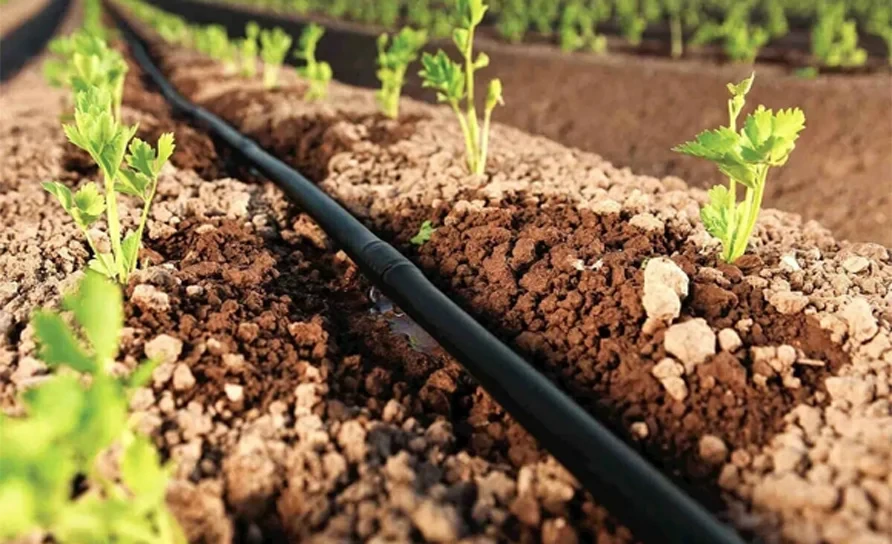
He added that with autumn irrigation, moisture freezes in the soil during winter, and in spring, when it thaws, it provides the plants with the necessary moisture in the early stages of their growth. Another important method is the use of a plow to turn over the soil layer, which helps retain moisture from autumn precipitation and snow.
Additionally, for irrigated and rain-fed lands, the use of deep tillers (slotters) is recommended, which can loosen the soil to a depth of 60–70 cm.
"A regular plow works the soil to a depth of 25–30 cm, while slotting allows moisture to reach greater depths and be retained longer," he reported.
According to the ministry's data, this year it was planned to carry out such work on an area of 150,000 hectares; however, currently, about 60,000 hectares have been processed, which is 35–40% of the planned volume.
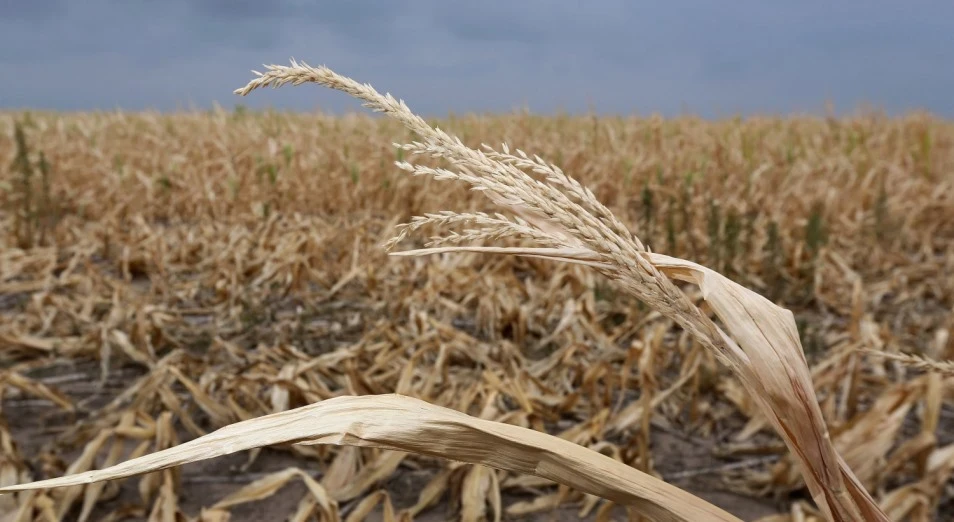
Idirisov also expressed concern about the lack of snow cover, which may affect water supply in the spring period. In this regard, the Ministry of Agriculture, in conjunction with meteorologists, recommends that farmers prepare the soil in advance to reduce the risks of water shortages.
He specifically mentioned the transition of regions, except for the Naryn region, to winter sowing.
"Winter crops provide a yield that is 30–40% higher than spring crops. We are actively conducting explanatory work and training farmers to transition to winter sowing," added the ministry representative.