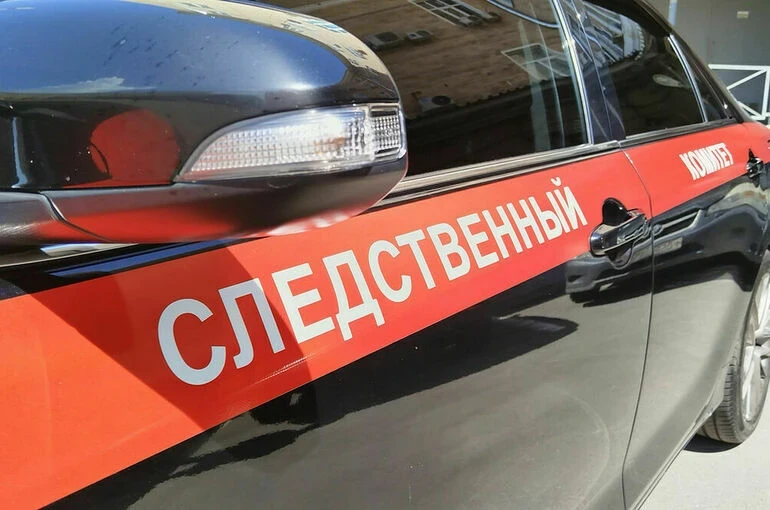
Although this topic is not new, it has become particularly relevant at this moment. Criticism of the actions of special services and significant changes in the leadership of the GKNB have prompted a new discussion about the need for institutional reform of investigations.
Photo from the internet
The issue concerns not only personnel reshuffles but also the need to revise the very structure of criminal investigations:
- Investigative functions are currently distributed among the Ministry of Internal Affairs, GKNB, and tax services;
- There are overlaps in jurisdiction;
- Investigations depend on operational services.
In this regard, the idea of creating an independent investigative body arises.
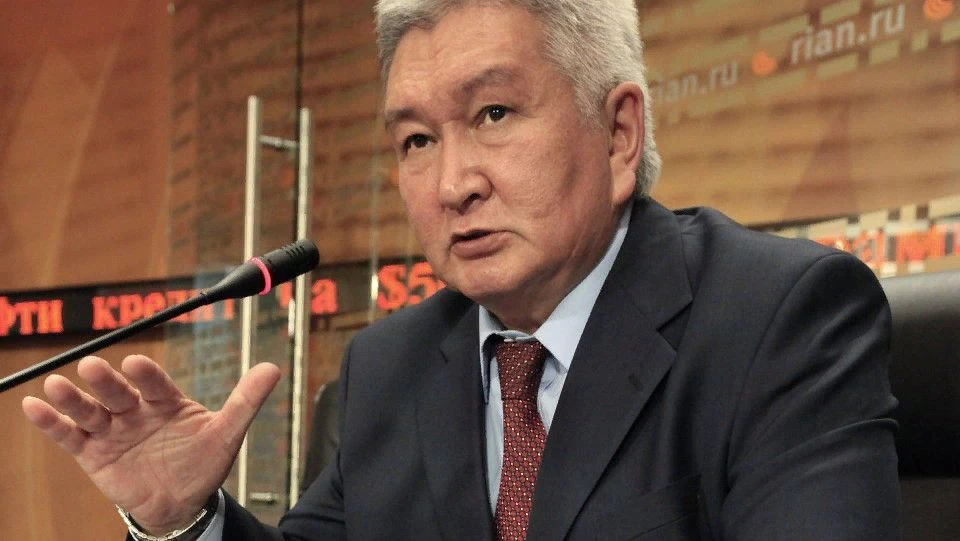
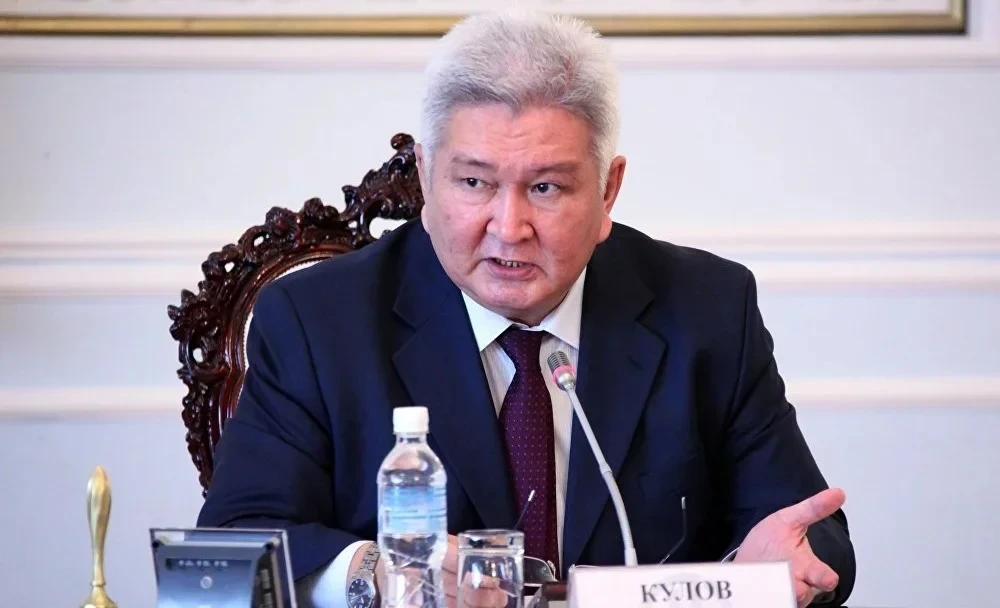
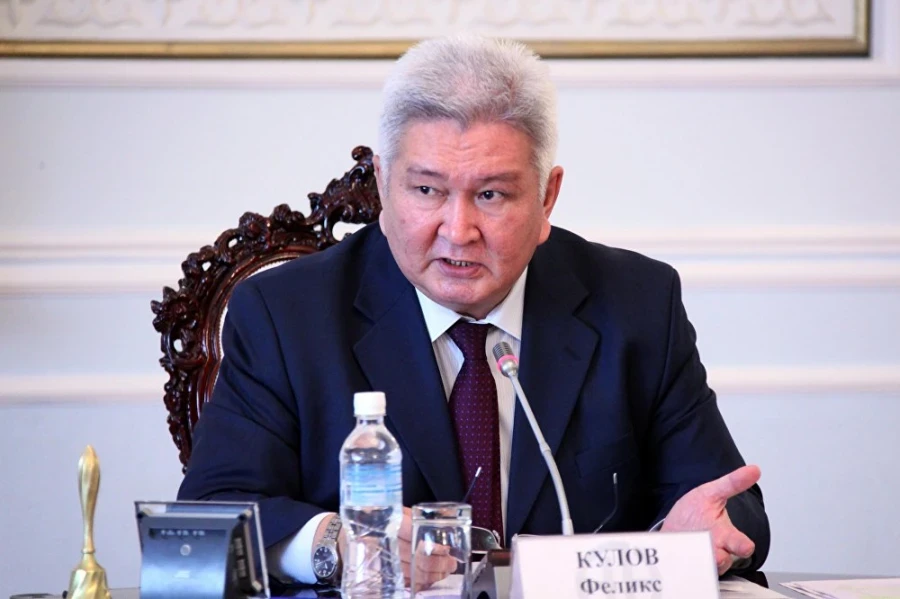
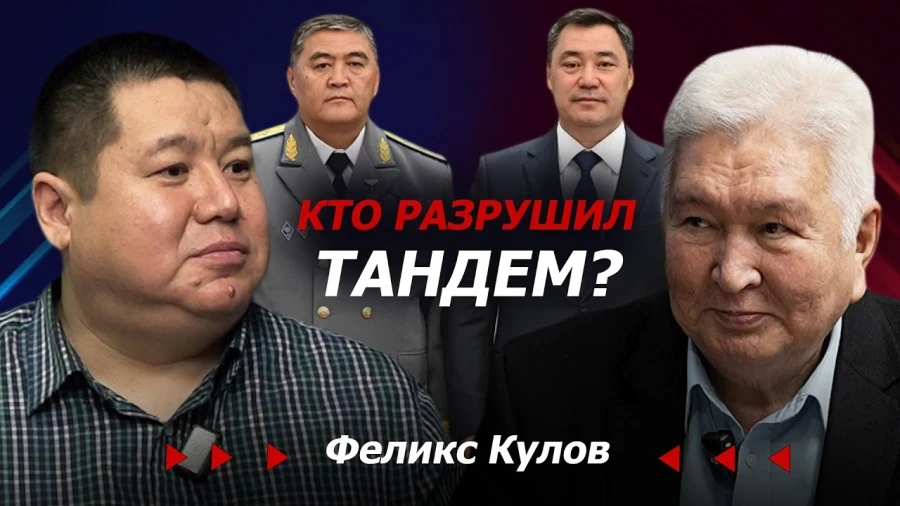
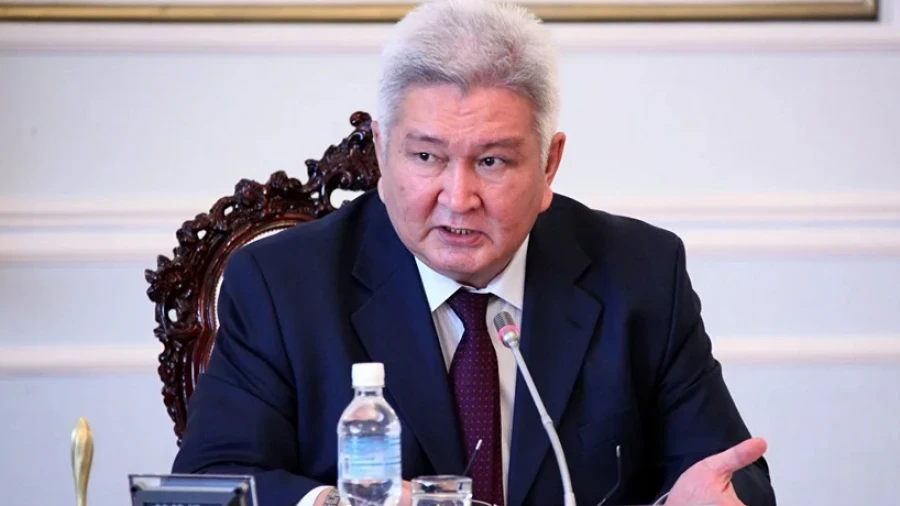
Photo from the internet. Felix Kulov
Felix Kulov, a former prime minister, finds the proposal to create an Investigative Committee interesting but warns against hasty steps. He notes that consolidating all investigative functions into one body will be difficult both organizationally and financially. This implies not only a redistribution of powers but also the creation of new infrastructures, the formation of personnel, and the provision of material and technical support.
Kulov suggests a phased approach: at the first stage, an investigative service could be established under the president with regional subdivisions and tasked with investigating certain categories of official crimes. Meanwhile, cases of treason and espionage should remain with the GKNB, general criminal offenses with the Ministry of Internal Affairs, and tax crimes with specialized units.
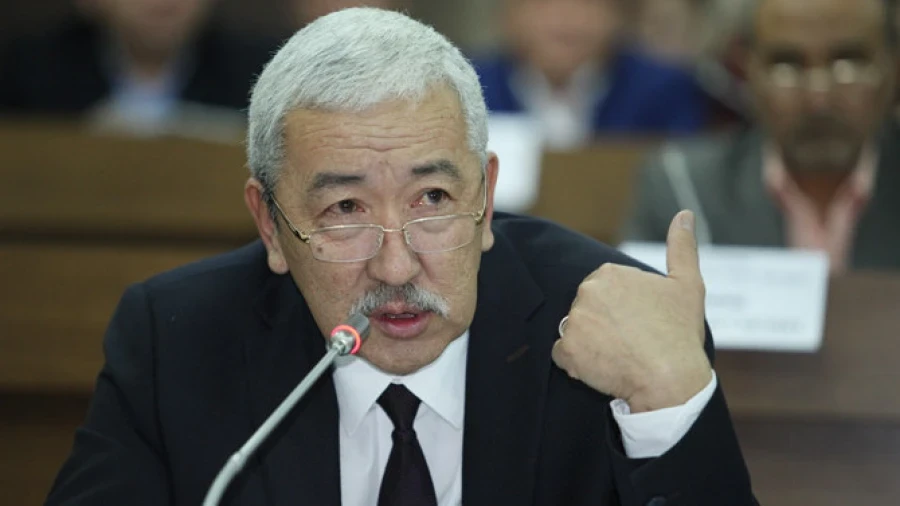
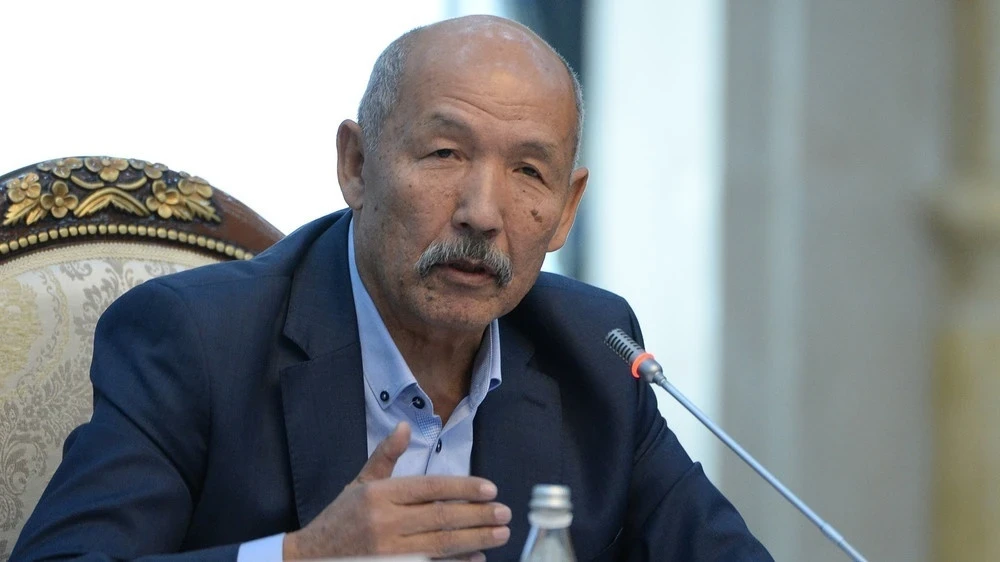
Photo from the internet. Iskhak Masaliev
Iskhak Masaliev, a former deputy of the Jogorku Kenesh, holds a different view. He does not support the idea of a "pure" investigative committee, believing that the country needs a specialized anti-corruption service with effective oversight from parliament and society. For him, the key issue is not the name of the body but the presence of accountability and transparency mechanisms. Without oversight, the new law enforcement body risks facing similar problems as the existing structures.
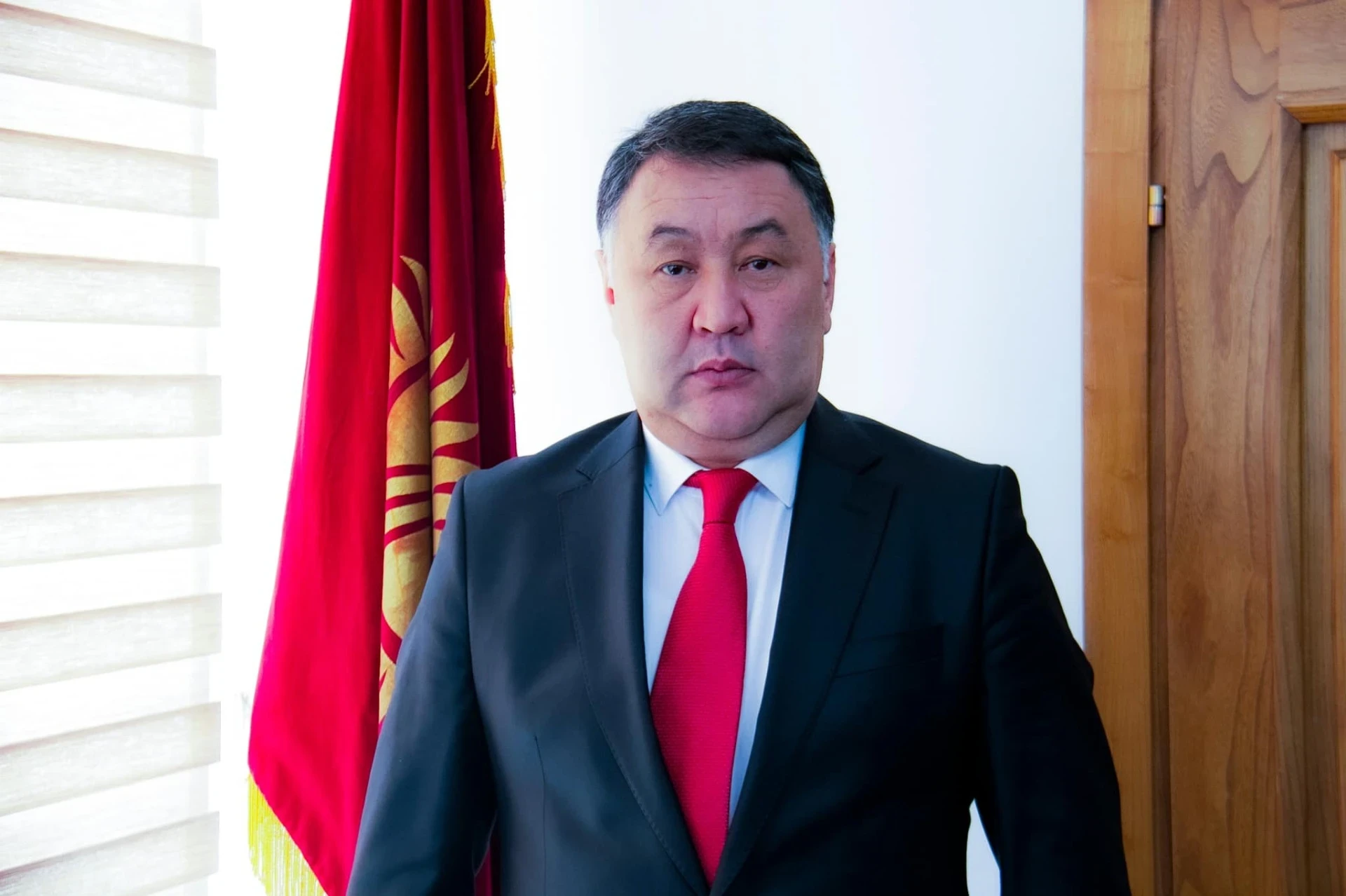
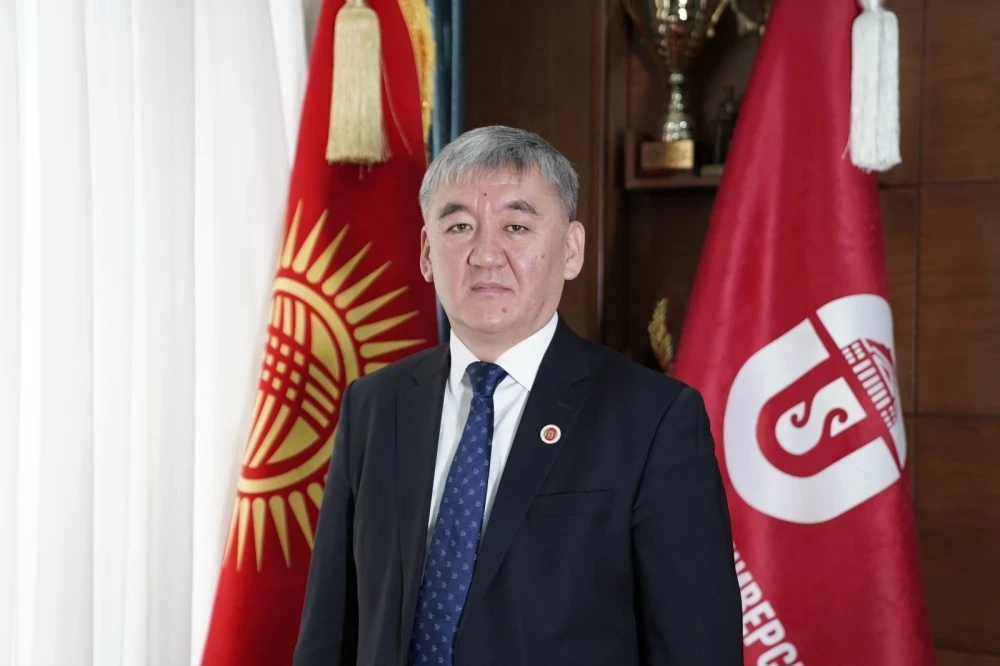
Photo from the internet. Kanat Khasanov
Lawyer Kanat Khasanov asserts that the idea of creating an investigative committee was discussed even before 2017 when a draft law was being developed. He believes that an IC is necessary, but much depends on its structure. If the new body focuses solely on official crimes, it risks becoming a tool for repression.
If the investigative committee investigates serious crimes in general, it will help bring the system closer to international practices. In that case, district subdivisions could transition to the level of an inquiry institute, and the structure of investigations would undergo complete reform.
Kanat Khasanov
Thus, the discussion of creating an Investigative Committee goes beyond simple technical reform. It concerns the choice of a law enforcement system model that will determine the country's future. The question of what the new body will look like and whether it will be created directly affects the structure of investigations and the level of public trust in the justice system.