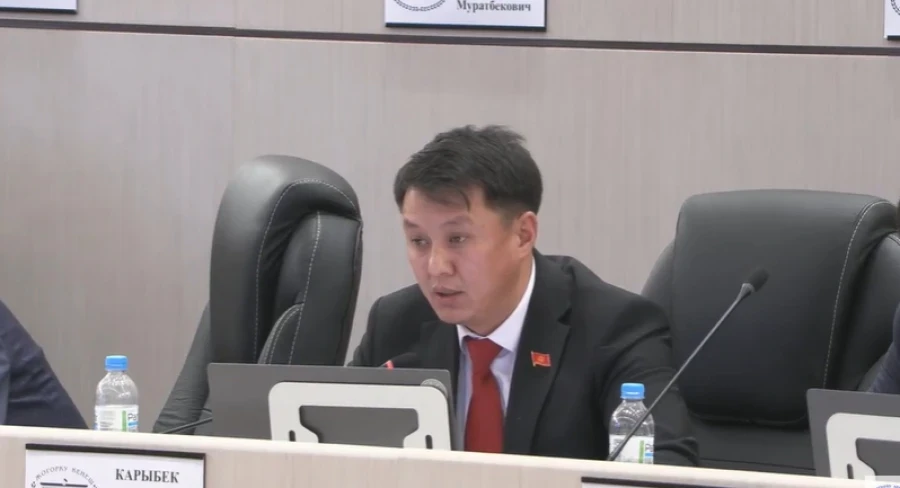
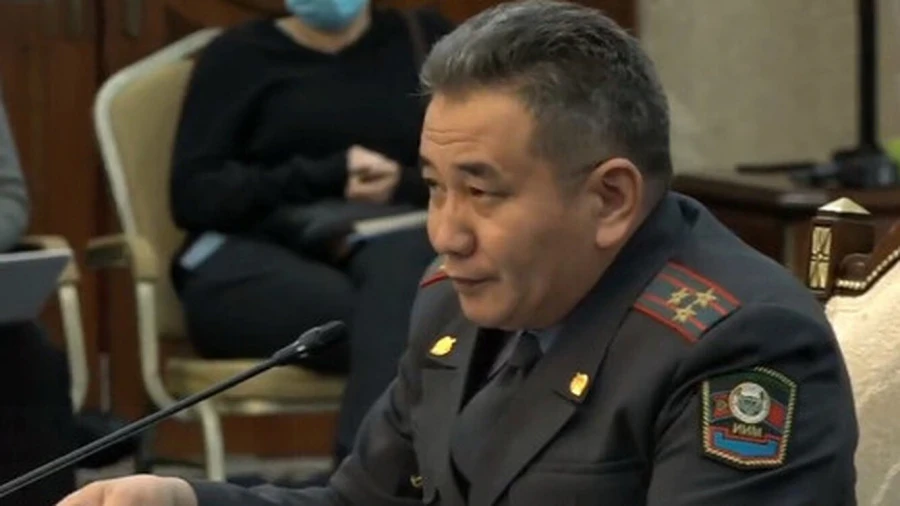
At the meeting, amendments to several legislative acts concerning enforcement proceedings were presented. The new draft law not only describes the rights and obligations of private bailiffs but also establishes norms related to the non-compliance with alimony agreements and court decisions regarding their payment.
If an alimony agreement or court ruling on alimony payments is not fulfilled, the bailiff is required to draw up a protocol and submit it to the court under the Code of Offenses. If the alimony debt exceeds 12 months, the materials will be forwarded to law enforcement agencies.
The Deputy Attorney General clarified the following measures of responsibility:
- for a debt of three months — arrest for three days;
- for a repeated offense within a year — arrest for seven days;
- for non-payment of alimony for 12 months — community service from 100 to 200 hours or imprisonment for up to one year;
- hiding or underreporting income, as well as evading employment as per a court decision, may result in a fine of 100,000 soms or imprisonment for up to three years.
Some deputies supported the idea of strict penalties for those parents who do not fulfill their alimony obligations. Dastan Bekeshev proposed an alternative approach: instead of alimony, parents should provide for their children through state benefits, while those evading payment should be required to perform state work.
As a result of the discussion, the draft law received the committee members' approval in the first reading.